Portrayals of women feature prominently in the work of Montreal painter Prudence Heward (1896–1947). In At the Theatre, 1928, she depicted women in a public place unaccompanied by men, reflecting the growing independence of women in the 1920s. In her portrait of Montreal dancer Louise McLea, Girl on a Hill, 1928, Heward positions herself as a modern artist presenting modern subjects. As curator Charles C. Hill wrote in 1975, Heward “portrays strong, independent women, women with individual lives and personalities, yet there is always a certain tension in her work.”
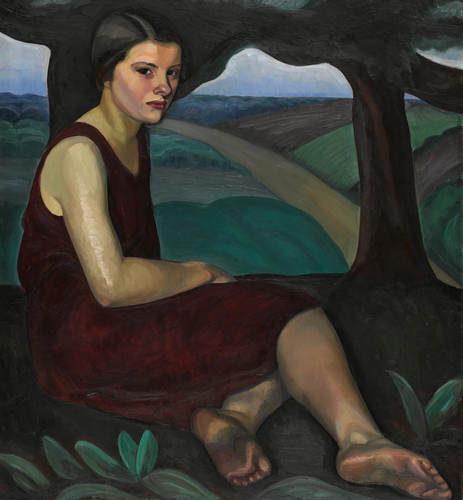
Oil on canvas, 101.8 x 94.6 cm, National Gallery of Canada, Ottawa
Among Heward’s most striking representations of women are her paintings of black female subjects. Significantly Heward’s library included George Bernard Shaw’s The Adventures of the Black Girl in Her Search for God (1932), which contains engravings by John Farleigh, and in which the female protagonist questions white authority, indicating her interest in the black female subject perhaps as early as 1932.
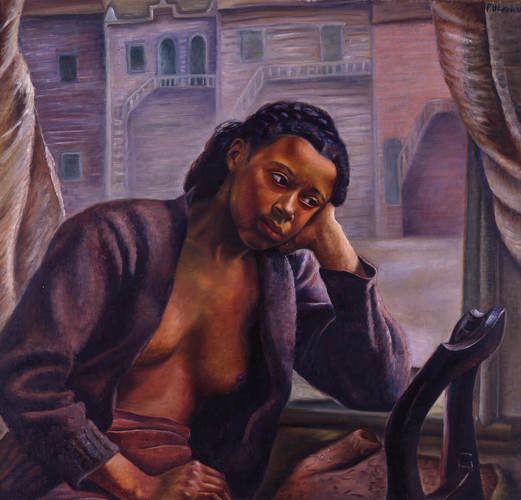
Oil on canvas, 86.4 x 91.5 cm, Art Gallery of Windsor
We do not know for sure Heward’s motivations for choosing to paint black women, but her decision to produce several paintings of them, as well as of a young black girl (Clytie, 1938), indicates that she had a particular interest in the black female subject. Whether this interest was primarily formal (in that painting black women allowed her to experiment with different colours of paint), altruistic (calling attention to issues of race in Canadian society), a result of the availability of black models in early twentieth-century Montreal (many of whom worked as domestics and needed the additional money), or a combination of these factors, art historians have perceived these works in a range of ways. In Girl in the Window, 1941, distinctive for being Heward’s sole portrayal of a black female subject seated in a domestic interior, only a pane of glass separates the woman and the outside world, which is urban rather than rural or exotic. As some scholars have noted, the buildings in the background indicate a working-class part of Montreal, thus revealing the poverty experienced by many black women in the 1930s and 1940s.
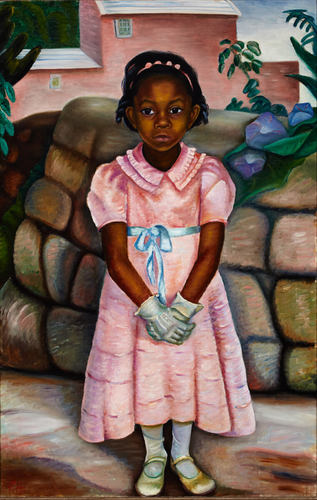
Oil on canvas, 101.8 x 66.6 cm, Robert McLaughlin Gallery, Oshawa
Heward’s representations of not only black but also, in works like Indian Head, 1936, Indigenous girls and women speak to issues of both gender and race in early twentieth-century Canada. Art historian Charmaine Nelson asks, “How could one seriously interpret Prudence Heward’s Dark Girl (1935), a lone naked and melancholic black female surrounded by tropicalized foliage, without discussing the evocation of Africa as the ‘dark continent’ and without mentioning Heward’s seeming preoccupation with black women and girls as subjects for other paintings like Hester (1937), Clytie (1938), Girl in the Window (1941), and Negress with Flower (n.d.)?”
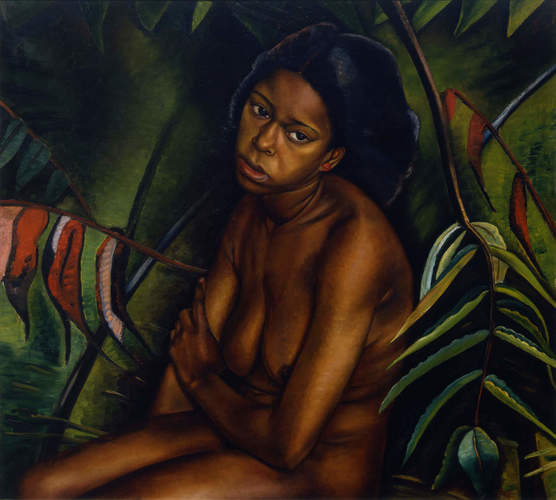
Oil on canvas, 92 x 102 cm, Hart House, University of Toronto
Nelson notes that in the nineteenth and early twentieth centuries, white Canadian artists sometimes painted black women who worked as domestics and as models in art schools and community centres. Given that Heward was a white woman from an affluent Montreal family, her relationships with black female models were necessarily informed by issues of social class as well as of gender and race. As for the paintings themselves, there were sometimes hostile, indeed racist, reactions to Heward’s depictions of naked black women, focusing on their ostensibly unattractive body language, such as hunched shoulders and “melancholy” expressions. Although there is no definitive explanation of Heward’s paintings of female subjects—white, black, and Indigenous—they ask us to look critically at the relationships between artists, subjects, and audiences in Canada in the early twentieth century.
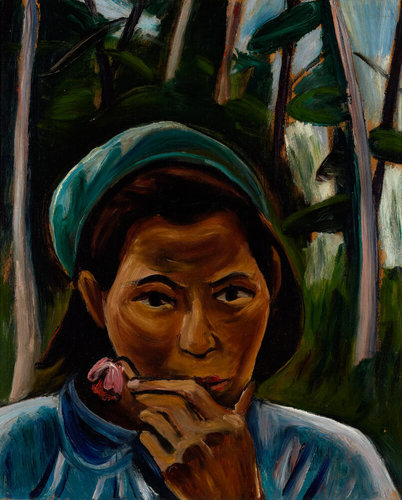
Oil on panel, 36 x 30.6 cm, Robert McLaughlin Gallery, Oshawa
This Essay is excerpted from Prudence Heward: Life & Work by Julia Skelly.
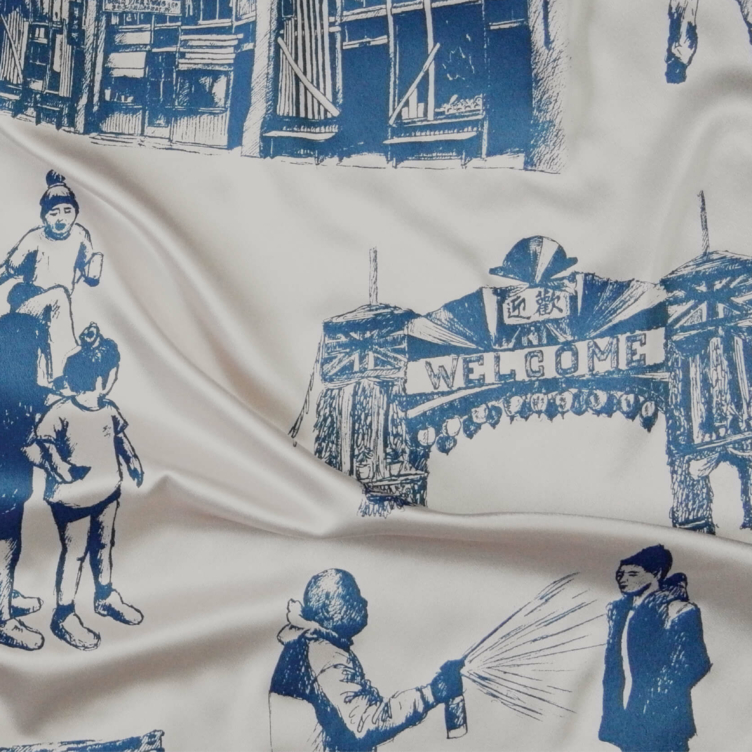 Karen Tam’s Autumn Tigers
Bridging Past and Present: Invisible Made Visible
By Imogene L. Lim, PhD
Karen Tam’s Autumn Tigers
Bridging Past and Present: Invisible Made Visible
By Imogene L. Lim, PhD
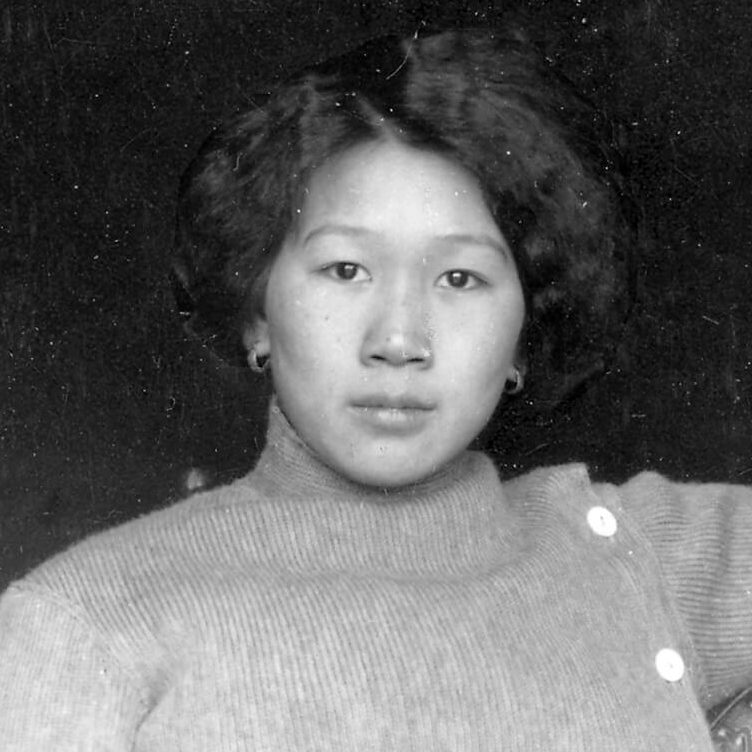 The Frontier Portraits of C.D. Hoy
A Chinese Canadian Photographer’s Tribute to His Community
By Faith Moosang
The Frontier Portraits of C.D. Hoy
A Chinese Canadian Photographer’s Tribute to His Community
By Faith Moosang
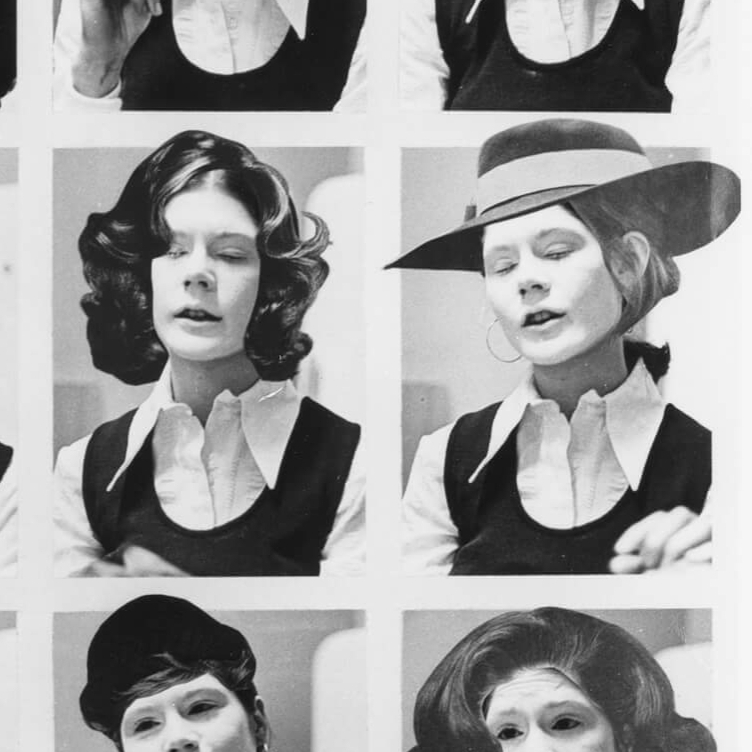 Interrogating Identity
Suzy Lake explores the role of photography in shaping how we understand and see ourselves
By Erin Silver
Interrogating Identity
Suzy Lake explores the role of photography in shaping how we understand and see ourselves
By Erin Silver
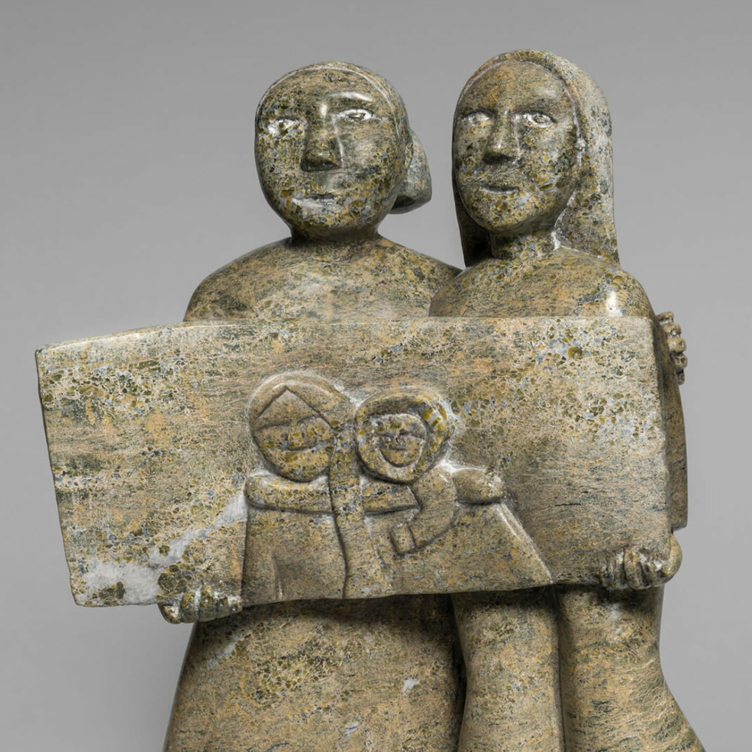 An Emboldened Artist
How Oviloo Tunnillie achieved rare international acclaim as an Inuit female sculptor
By Darlene Coward Wight
An Emboldened Artist
How Oviloo Tunnillie achieved rare international acclaim as an Inuit female sculptor
By Darlene Coward Wight
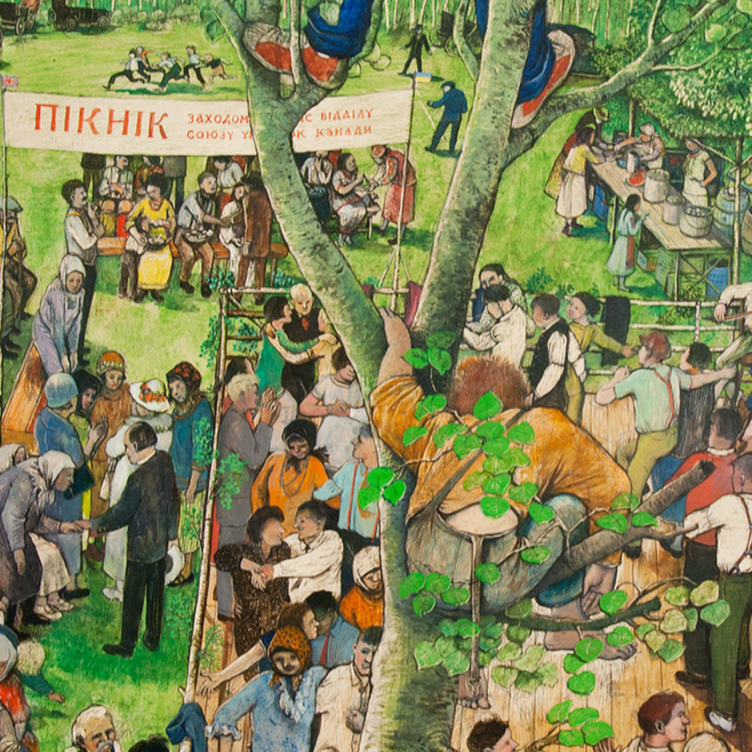 Painting the Cultural Mosaic
William Kurelek traversed the country in a quest to capture its diverse inhabitants
By Andrew Kear
Painting the Cultural Mosaic
William Kurelek traversed the country in a quest to capture its diverse inhabitants
By Andrew Kear
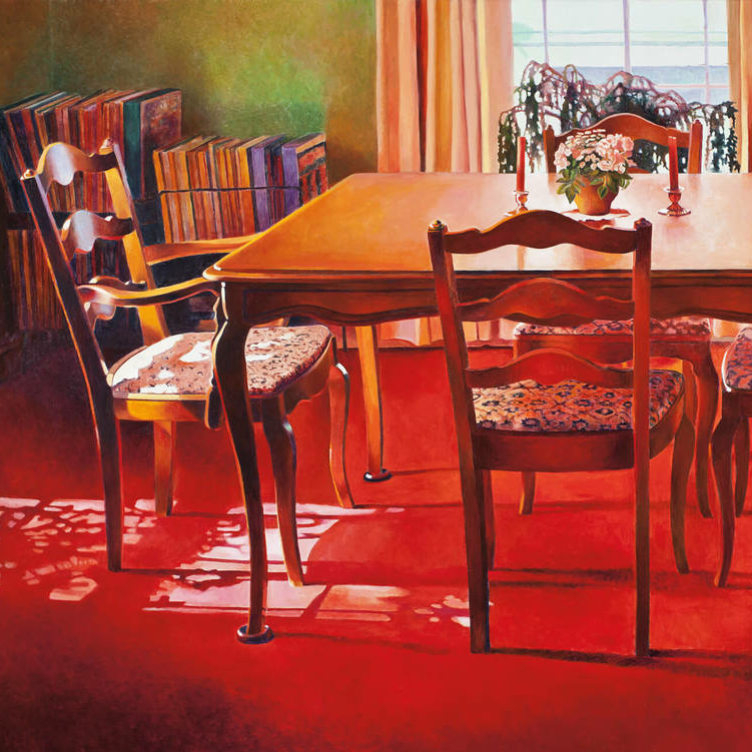 Domestic Discontent
Mary Pratt’s poetic scenes of home life are praised for their political edge
By Ray Cronin
Domestic Discontent
Mary Pratt’s poetic scenes of home life are praised for their political edge
By Ray Cronin
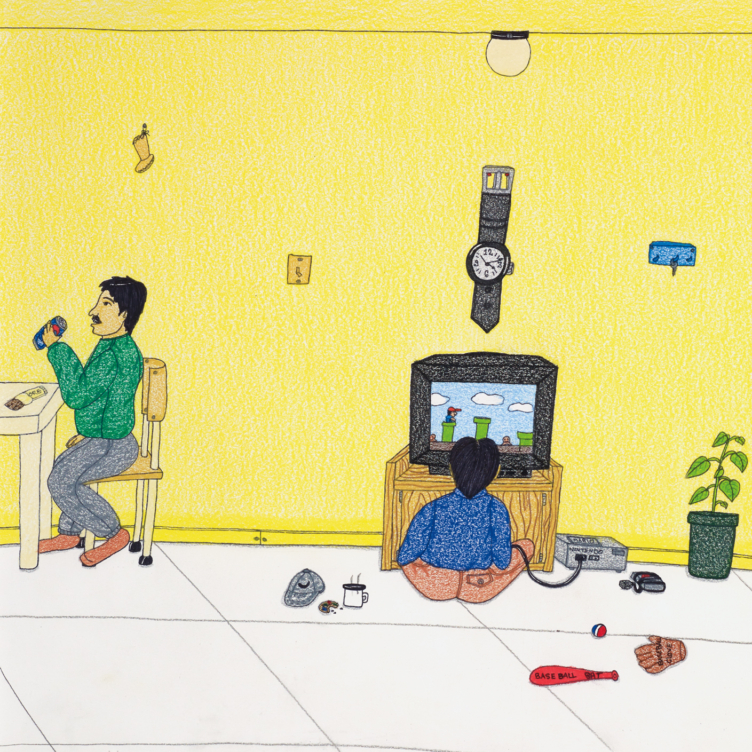 A New Vision of the North
Annie Pootoogook’s art offers unprecedented insights into the contemporary Arctic
By Nancy G. Campbell
A New Vision of the North
Annie Pootoogook’s art offers unprecedented insights into the contemporary Arctic
By Nancy G. Campbell
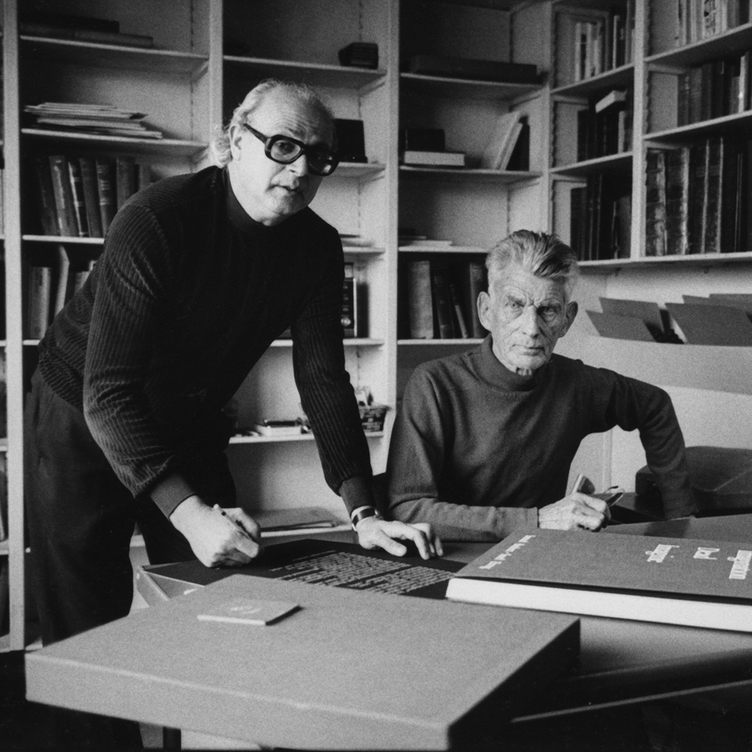 Meetings of Minds
Sorel Etrog found new ideas in collaborative work
By Alma Mikulinsky
Meetings of Minds
Sorel Etrog found new ideas in collaborative work
By Alma Mikulinsky
 Introducing Miss Chief
An excerpt from the ACI’s book “Revision and Resistance”
By Shirley Madill
Introducing Miss Chief
An excerpt from the ACI’s book “Revision and Resistance”
By Shirley Madill
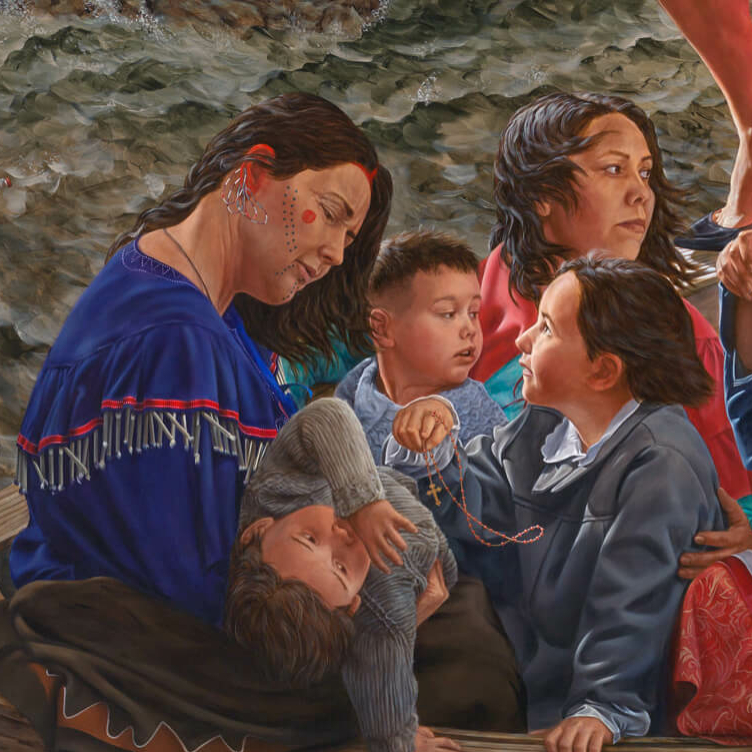 A Practice of Recovery
An excerpt from the ACI’s book “Revision and Resistance”
By Sasha Suda
A Practice of Recovery
An excerpt from the ACI’s book “Revision and Resistance”
By Sasha Suda
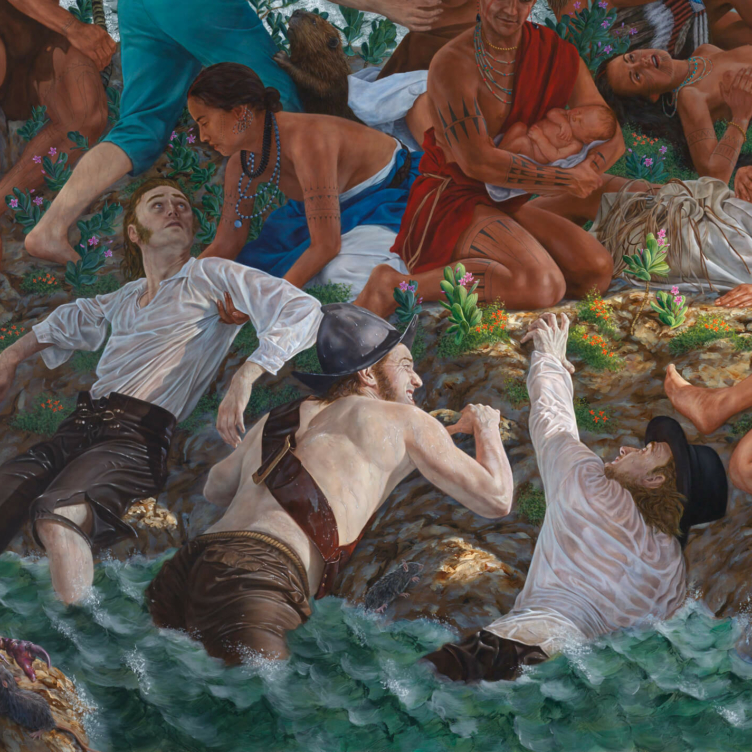 Decolonizing History Painting
An excerpt from the ACI’s book “Revision and Resistance”
By Ruth B. Phillips and Mark Salber Phillips
Decolonizing History Painting
An excerpt from the ACI’s book “Revision and Resistance”
By Ruth B. Phillips and Mark Salber Phillips
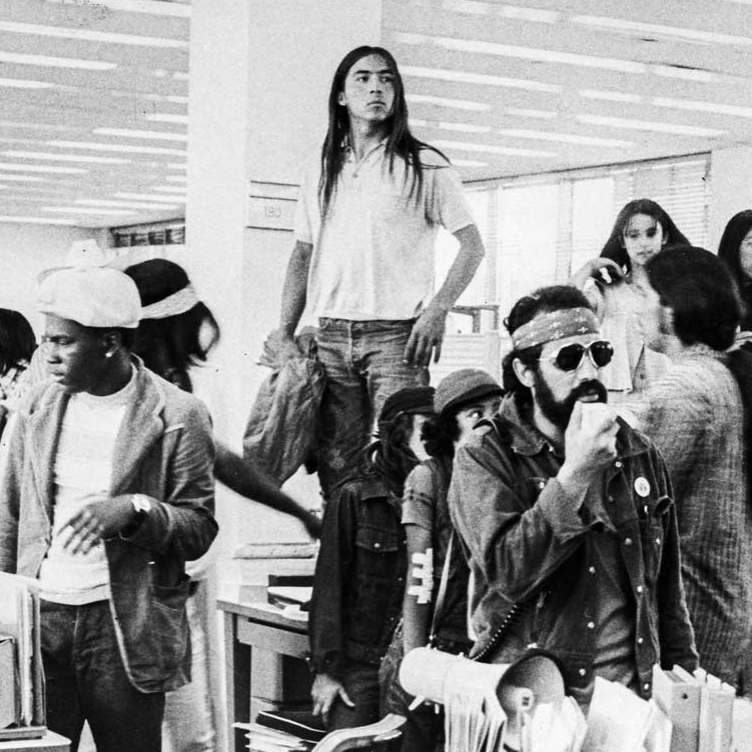 A Vision for the Future
An excerpt from the ACI’s book “Revision and Resistance”
By Nick Estes
A Vision for the Future
An excerpt from the ACI’s book “Revision and Resistance”
By Nick Estes
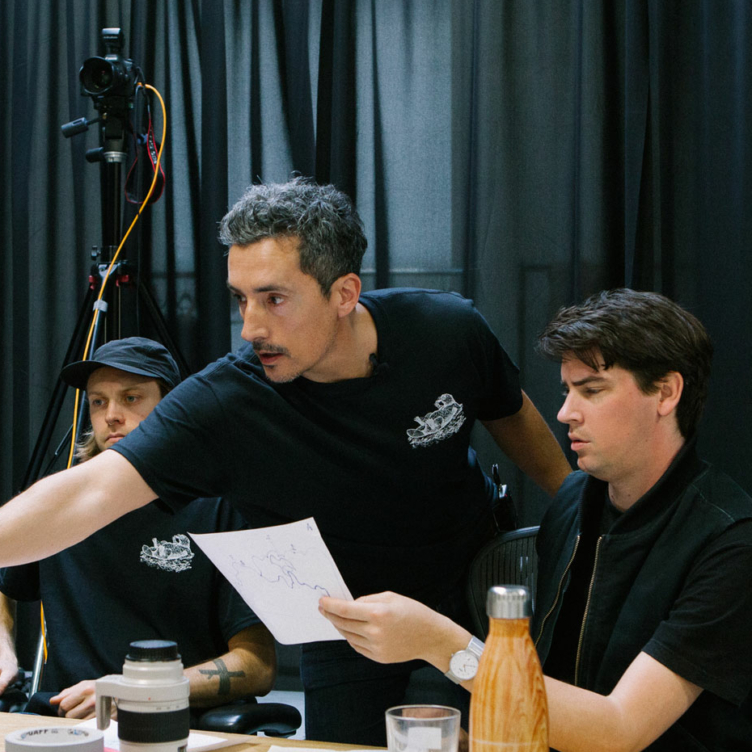 Inside Kent Monkman’s Studio
An excerpt from the ACI’s book “Revision and Resistance”
By Jami C. Powell
Inside Kent Monkman’s Studio
An excerpt from the ACI’s book “Revision and Resistance”
By Jami C. Powell
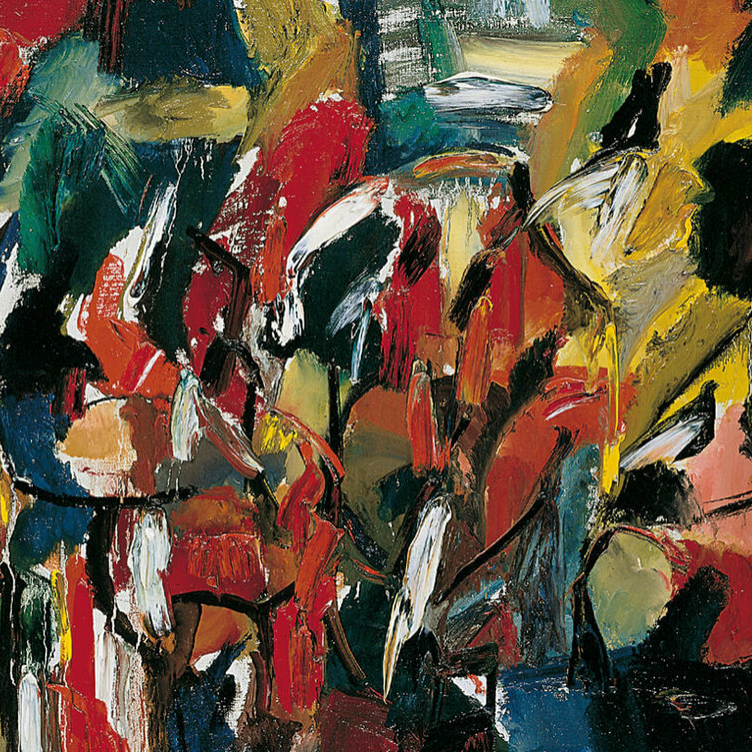 The Rule of Chance
Jean Paul Riopelle’s break with Automatism
By François-Marc Gagnon
The Rule of Chance
Jean Paul Riopelle’s break with Automatism
By François-Marc Gagnon
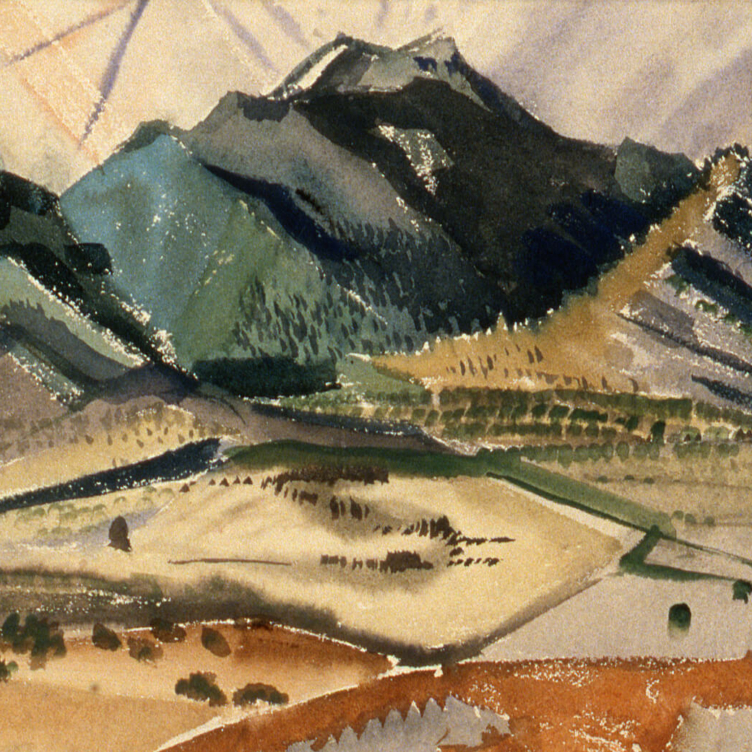 From Taos to New York
Agnes Martin and the currents of American Art
By Christopher Régimbal
From Taos to New York
Agnes Martin and the currents of American Art
By Christopher Régimbal
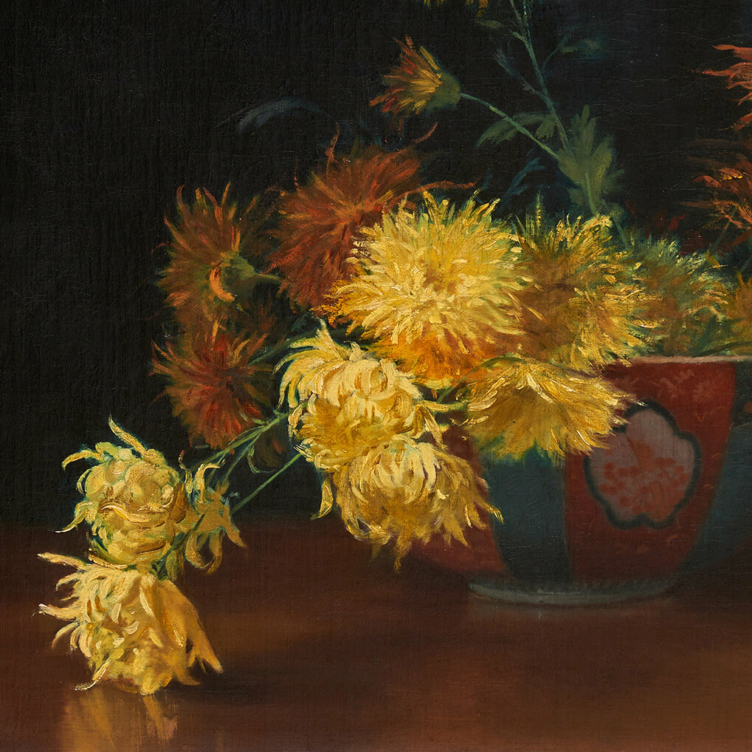 An Artist Blooms
Mary Hiester Reid’s floral aesthetics
By Andrea Terry
An Artist Blooms
Mary Hiester Reid’s floral aesthetics
By Andrea Terry
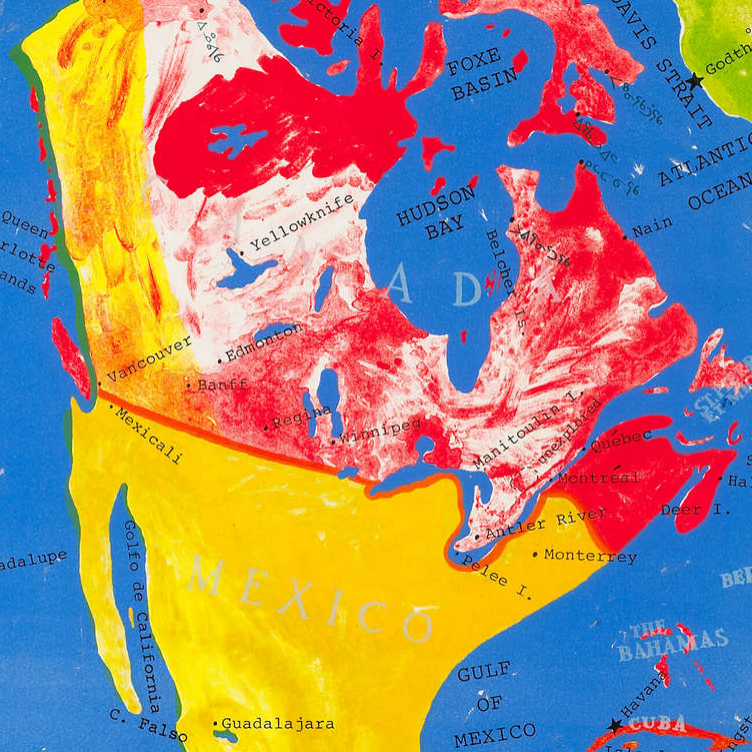 The Patriotic Painter
Greg Curnoe’s Canada
By Judith Rodger
The Patriotic Painter
Greg Curnoe’s Canada
By Judith Rodger
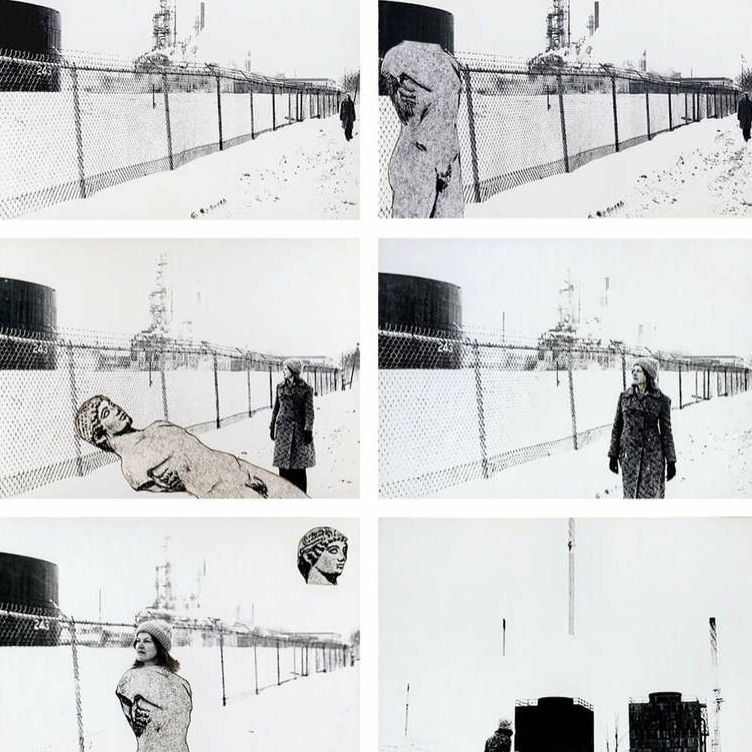 Walking, Stacking, Dancing
Françoise Sullivan’s conceptual 1970s
By Annie Gérin
Walking, Stacking, Dancing
Françoise Sullivan’s conceptual 1970s
By Annie Gérin
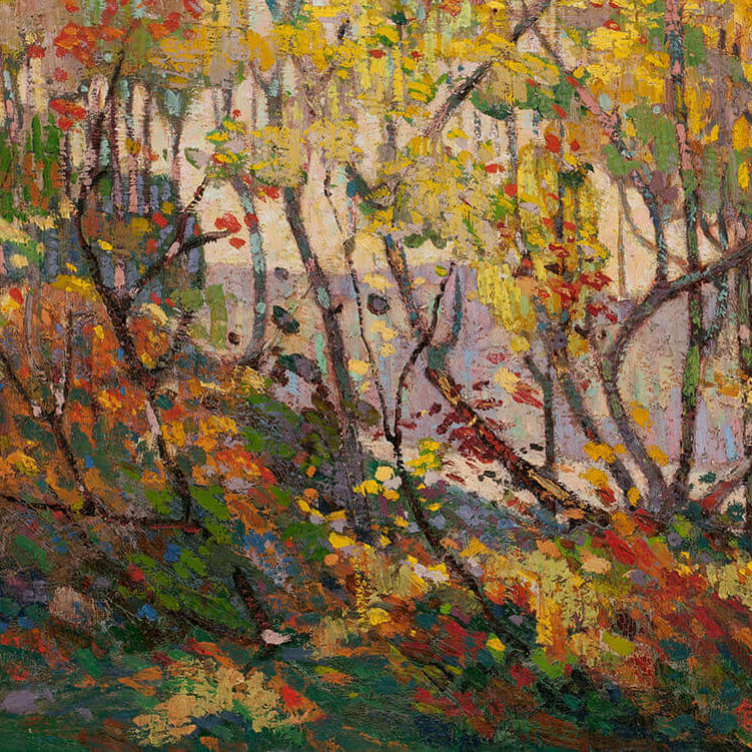 The Extraordinary North
Tom Thomson’s diary of landscape
By David P. Silcox
The Extraordinary North
Tom Thomson’s diary of landscape
By David P. Silcox
 A Champion of Abstraction
Jock Macdonald sought a new expression in art
By Joyce Zemans
A Champion of Abstraction
Jock Macdonald sought a new expression in art
By Joyce Zemans