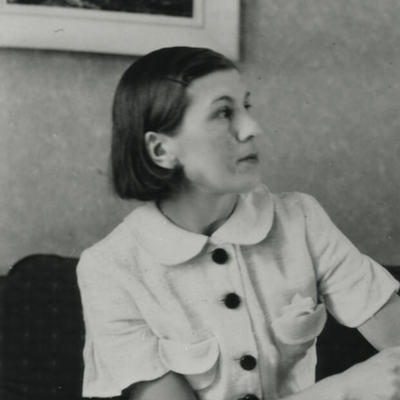
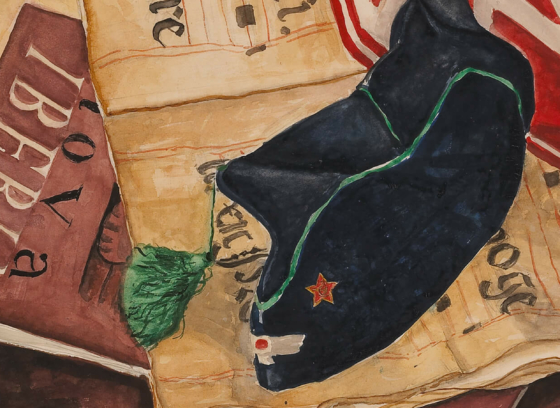
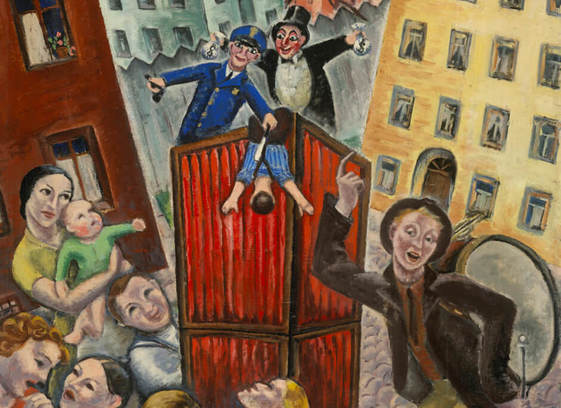
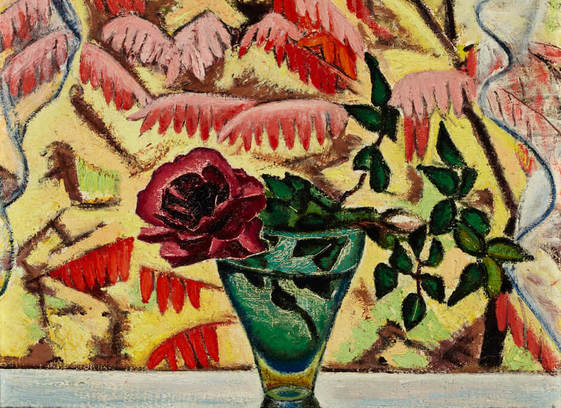
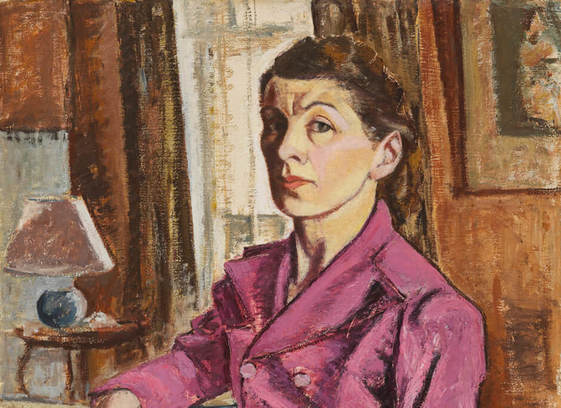
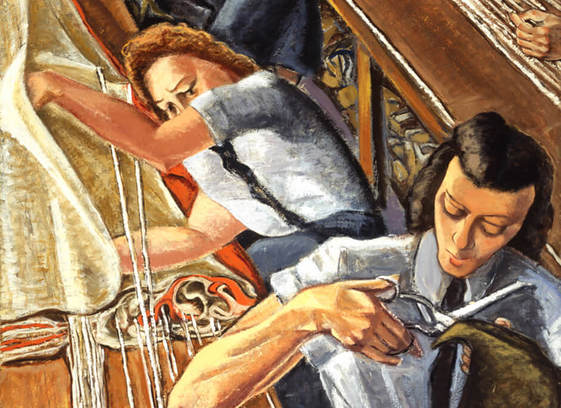
When Paraskeva Clark (1898–1986) arrived in Toronto in 1931, the local art scene was ready for a change. The dominant wilderness landscape idiom, rooted in nationalist ideology, was no longer adequate to express the social and political turmoil that would unfold over the next two decades. Clark’s socialist leanings equipped her to be a passionate spokesperson for socially engaged art. Her life and art reveal the challenges, frustrations, and successes of a Russian-born woman in a city whose dominant culture was British. For more on Paraskeva Clark read Christine Boyanoski’s Paraskeva Clark: Life & Work.
Dr. Christine Boyanoski, a curator and art historian, has written extensively on Canadian art. With a longstanding interest in cross-cultural art practice, she has published studies of Canadian art in a North American context. Art and exile, as exemplified by Paraskeva Clark, is one aspect of her work.
 The 2023 Canadian Art Inspiration
  The 2022 Canadian Art Inspiration
  Autumn Tigers
 The 2021 Canadian Art Inspiration
 Mastery in Metal
 Through the Lens of C.D. Hoy
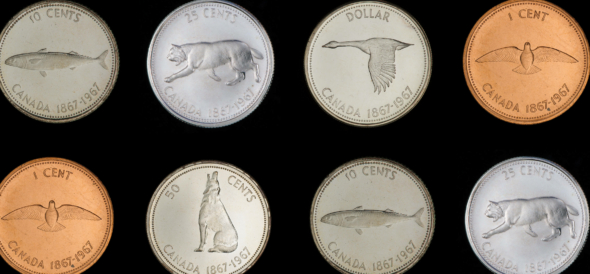 The Measure of Nature:
 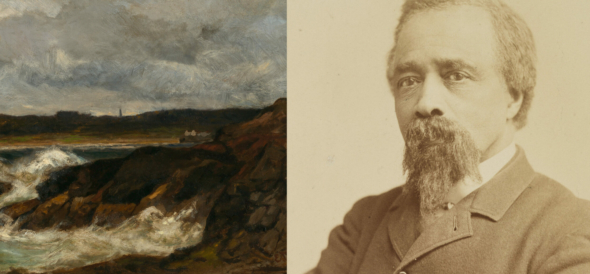 Artist and Abolitionist
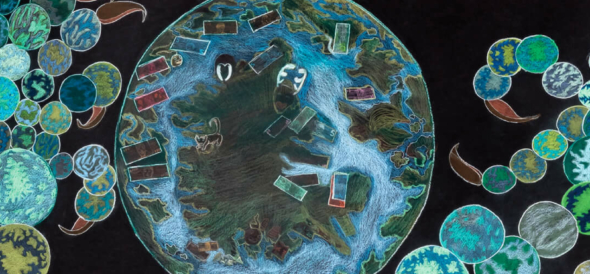 Shuvinai Ashoona: Mapping Worlds
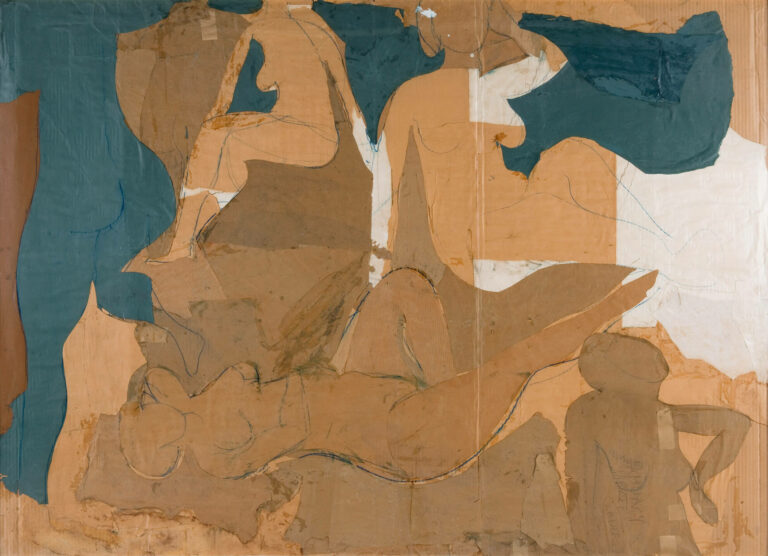 Early Snow: Michael Snow 1947-1962
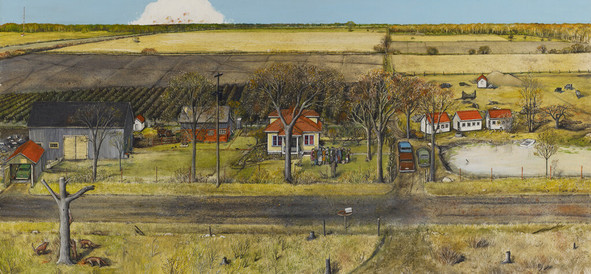 William Kurelek’s Art of Rapture and Reminiscence
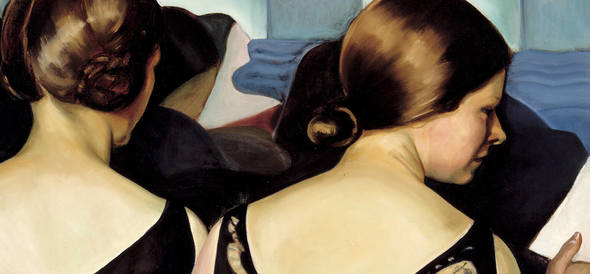 Prudence Heward’s Modern Women
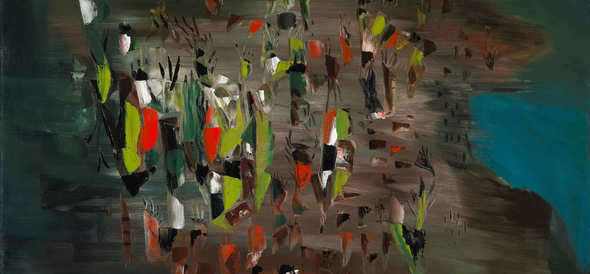 Paul-Émile Borduas’s Abstract Revolution
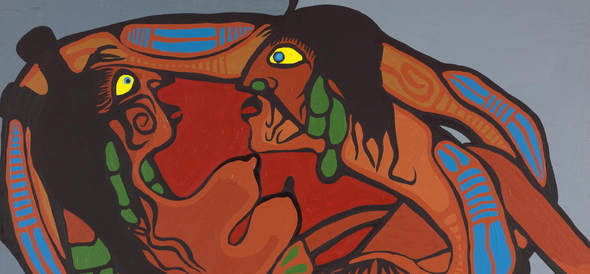 Norval Morrisseau’s Spiritual Vision
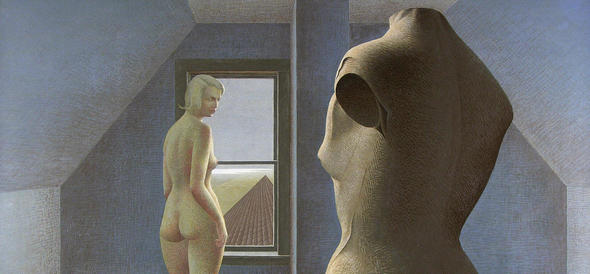 Alex Colville: An Everyday Order
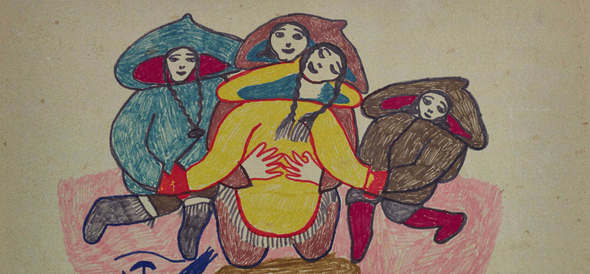 Shared History: The Drawings of Pitseolak Ashoona
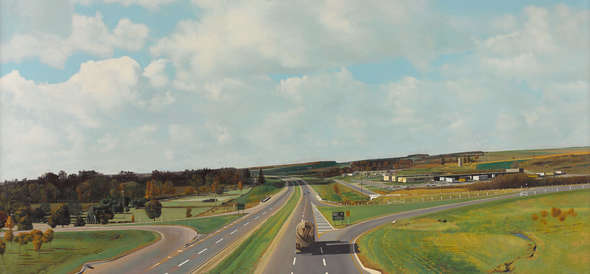 Art of Perception: Jack Chambers’s Inner Vision
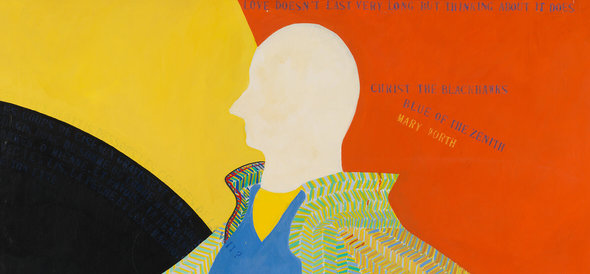 Personal, Local, and National: Greg Curnoe’s Vision
 Zacharie Vincent’s Indigenous Legacy