In Nature Evolving and similar late works, the “other energies” that Jock Macdonald (1897–1960) sought to represent are revealed in exquisite harmonies of colour and form. These moving paintings capture the essence of the cycles and rhythms of nature rather than its outward manifestations. Noting how the organic forms in this work emerge from the painting’s ground, critic Hugo McPherson wrote: “Here, in high degree, is the sensitive strength, the integrity and repose which are Jock Macdonald’s particular gifts.”
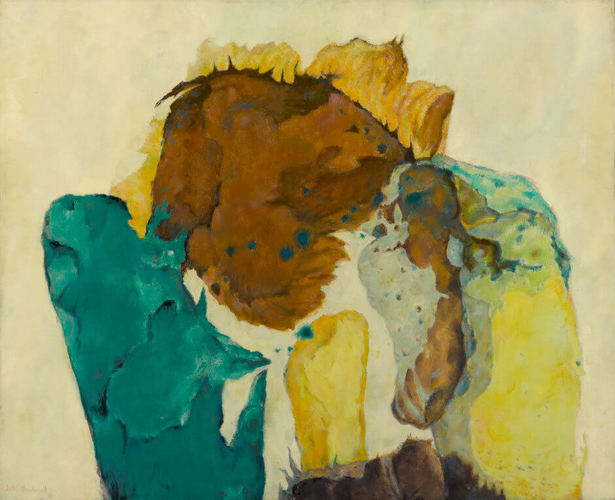
Oil and Lucite 44 on canvas, 111.8 x 137.2 cm, Art Gallery of Ontario, Toronto
In Nature Evolving the image rises from the base of the canvas to occupy the surface, where it breathes in an atmosphere of infinite space. The surging shapes and variegated colours suggest growth and life. His students recount that Macdonald often showed them slides of microscopic specimens from nature to illustrate the elemental patterns and rhythms in nature, and it is likely that these slides provided the inspiration for this work.
Nature Evolving, like Fugitive Articulation, 1959, which is similar in its dynamic composition, represents Macdonald’s continuing quest for a meaningful contemporary artistic expression. Rather than representing the image viewed through the microscope, Macdonald has sought to express not “the exact appearance of nature, but rather … the spirit therein.” The search he began in 1934 with Formative Colour Activity had finally come to fruition.
This Spotlight is excerpted from Jock Macdonald: Life & Work by Joyce Zemans.
 Capturing the Lion
 Royal Representation
 Nostalgic narrative
 Setting New Boundaries
 Drifting through Meaning
 Glass Transformations
 Breaking the Frame
 Painting the Unseen
 The Face as a Canvas
 Unpacking Identity
 Boy in Blue
 Cutting Edge
 Moving Memories
 The Weight of Absence
 Abstract Alberta
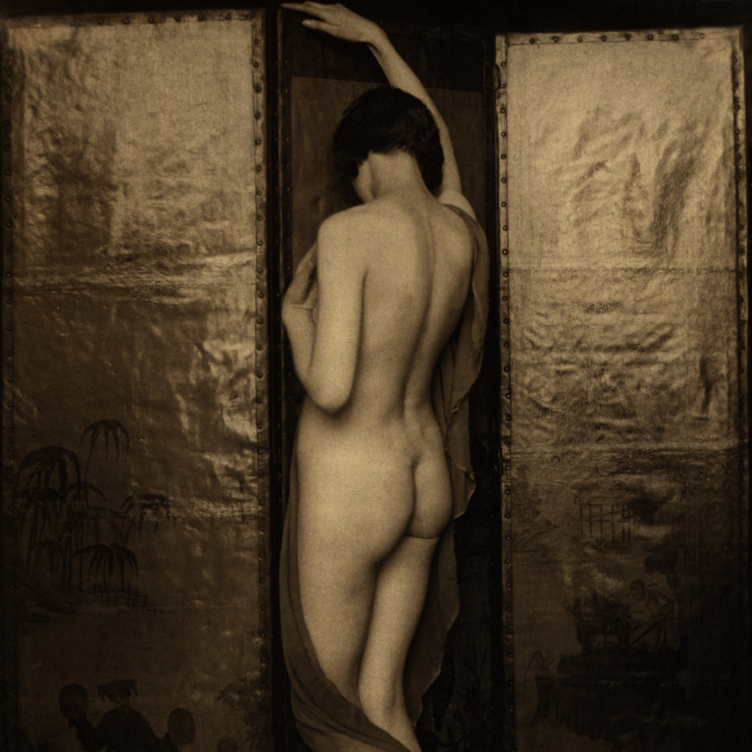 The Art of the Body
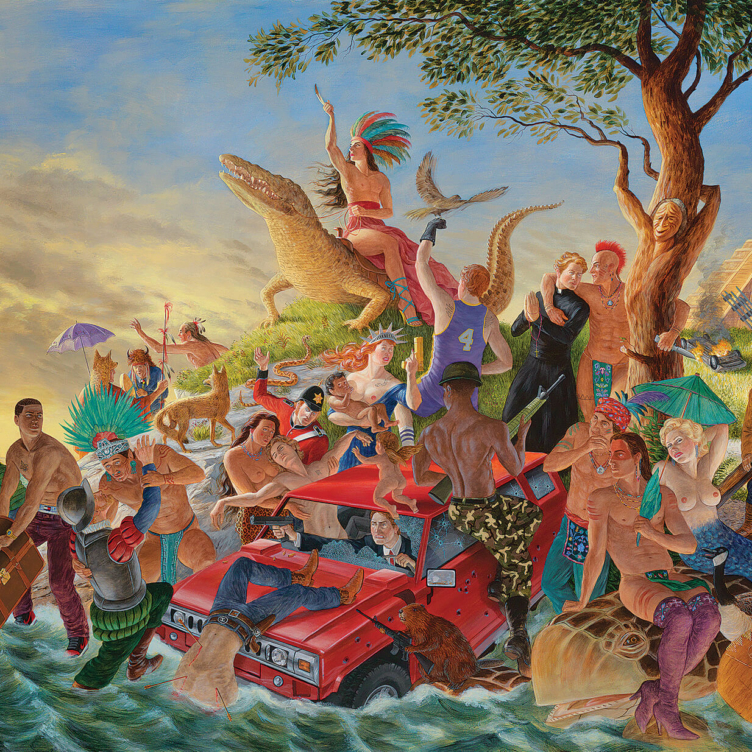 Rococo Riff
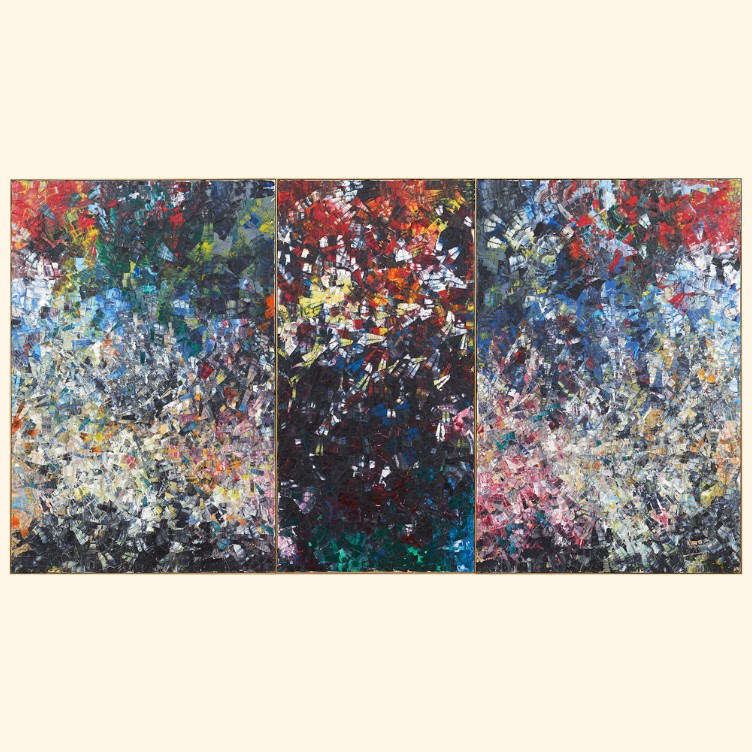 In Memory of Monet
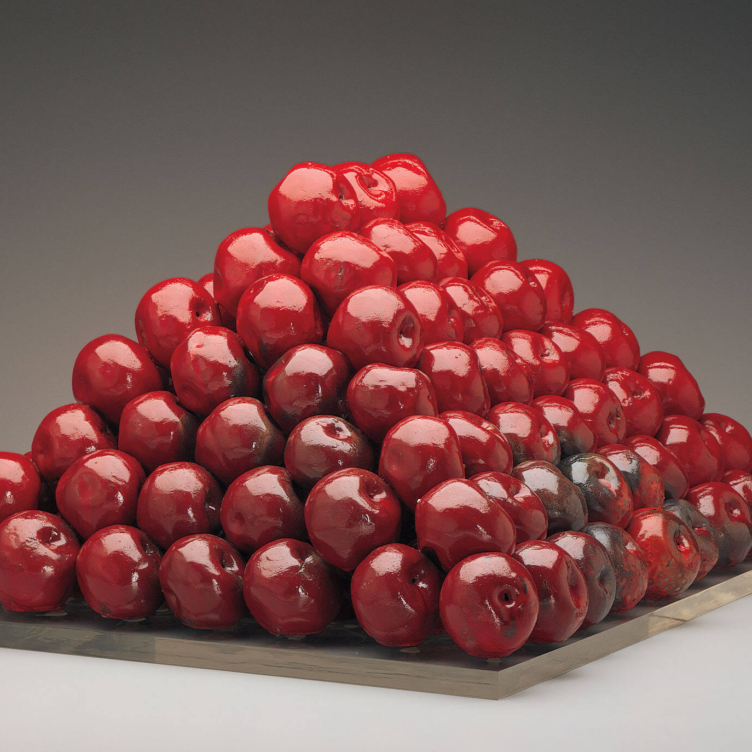 Pyramid Scheme
 Transportive Trunks