Shuvinai Ashoona (b.1961), like her cousin Annie Pootoogook (1969–2016), has repositioned Inuit art, helping make a place for it within the mainstream of contemporary art in Canada and beyond. This change is relatively recent. Not only has Inuit art seldom been seen as part of the contemporary canon in Canadian and international museums, but it has also been separated from other Indigenous art in Canadian museums. Shuvinai has broken with forms of representation adopted by previous generations of Inuit artists, created works in collaboration with artists from the South, and established an international reach with work that challenges stereotypes about life and artmaking in the North.
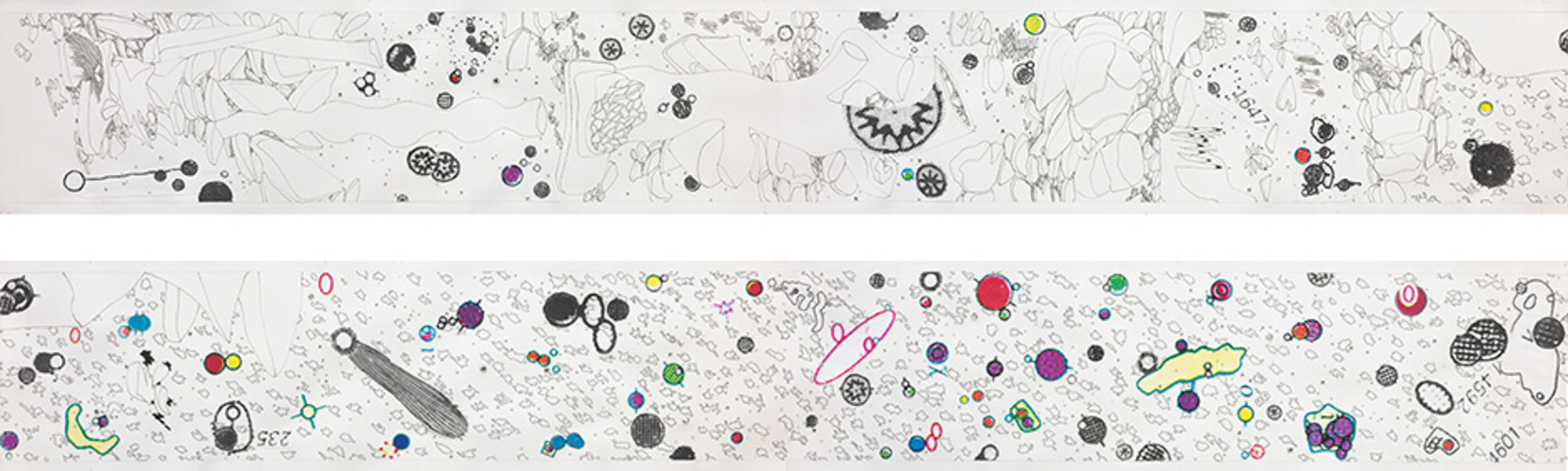
Shuvinai Ashoona, with John Noestheden, Earth and Sky (details), 2008
Pen and black ink, coloured pencil, graphite, collage, and adhered glass crystals on wove paper, 34.3 x 485 cm, National Gallery of Canada, Ottawa
Shuvinai’s two major collaborations with contemporary Canadian artists have had significant impact on the visibility of her work and signal a new acceptance of Inuit art within global contemporary art exhibitions. Her collaboration with John Noestheden (b.1945) in 2008 was initiated by Wayne Baerwaldt, a curator with great international reach. The result was Earth and Sky, a mixed-media drawing that combines Arctic landscapes and astronomical bodies, primarily rendered in black and white line drawings with occasional punctuations of bold, bright colour.
-article-image.jpg)
Shuvinai Ashoona and John Noestheden, Untitled Collaboration (detail), 2008
Pencil crayon and India ink on paper, 157.5 x 101.6 cm, RBC Art Collection
Commercially transferred to a forty-metre banner that spanned the streetscape in downtown Basel, Switzerland, for the Stadthimmel (“Citysky”) project, (a public art installation at the Basel Art Fair), the work later travelled to the 2012 Sydney Biennale All Our Relations, before being presented by the National Gallery of Canada in Sakahàn: International Indigenous Art in 2013.
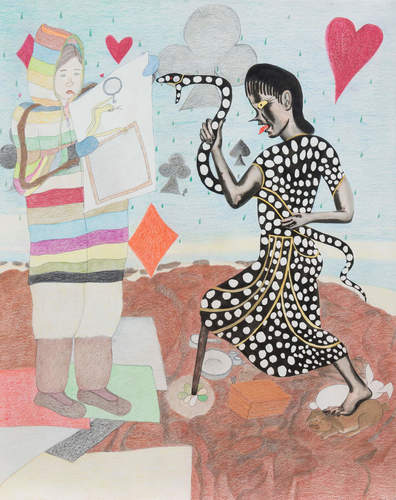
Shuvinai Ashoona and Shary Boyle, Self-Portrait, 2015
Ink and coloured pencil on paper, 107 x 88 cm, private collection
In Canada, Shuvinai’s ongoing collaborations and exhibitions with Toronto artist Shary Boyle (b.1972), an artist of international status who was the Canadian representative at the Venice Biennale in 2013, have also increased her profile and presented her work in contemporary contexts previously not considered for Inuit artists. In 2009 the Justina M. Barnicke Gallery at the University of Toronto paired the two artists in a joint show, Noise Ghost: Shuvinai Ashoona and Shary Boyle. The show created a new conversation, challenging old assumptions about Inuit art; for example, that it should be a singular production depicting animals, birds, or fish or figures of hunters and mothers. Noise Ghost won the Ontario Association of Art Galleries Exhibition of the Year Award. Two years later Boyle travelled to the North for a three-week residency at Kinngait Studios, working alongside Shuvinai, and they have continued to work together, creating drawings like Exhibition, 2015, and InaGodadavida, 2015.
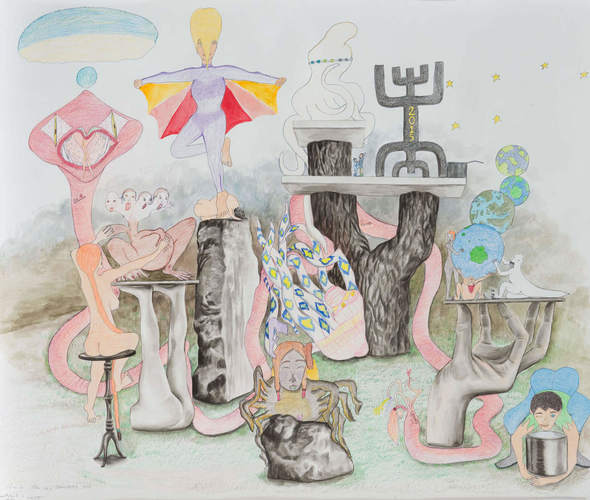
Shuvinai Ashoona and Shary Boyle, Exhibition, 2015
Ink on paper and coloured pencil on paper, 99 x 107 cm, Feheley Fine Arts, Toronto, and Pierre-François Ouellette art contemporain, Montreal
Inuit art has remained slow to hit the radar of international curators. Gradually through the work of artists like Shuvinai, Inuit artists are gaining international profiles outside the traditional Inuit market system. Shuvinai’s work was included in the American exhibition of Canadian art Oh, Canada: Contemporary Art from North North America at the Massachusetts Museum of Contemporary Art (MASS MoCA), North Adams, Massachusetts, curated by Denise Markonish in 2013, and in Unsettled Landscapes: SITElines: New Perspectives on Art of the Americas at SITE Santa Fe, curated by Canadian Candice Hopkins between July 2014 and January 2015. Inuit art is constantly changing and adapting, like the culture itself, and Shuvinai Ashoona is pivotal in this change.
This Essay is excerpted from Shuvinai Ashoona: Life & Work by Nancy G. Campbell.
 Karen Tam’s Autumn Tigers
Bridging Past and Present: Invisible Made Visible
By Imogene L. Lim, PhD
Karen Tam’s Autumn Tigers
Bridging Past and Present: Invisible Made Visible
By Imogene L. Lim, PhD
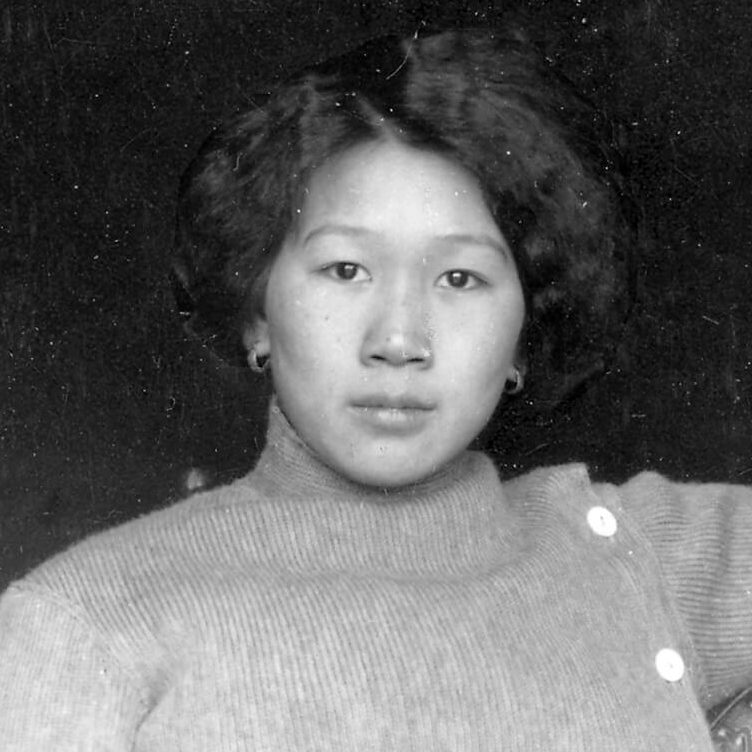 The Frontier Portraits of C.D. Hoy
A Chinese Canadian Photographer’s Tribute to His Community
By Faith Moosang
The Frontier Portraits of C.D. Hoy
A Chinese Canadian Photographer’s Tribute to His Community
By Faith Moosang
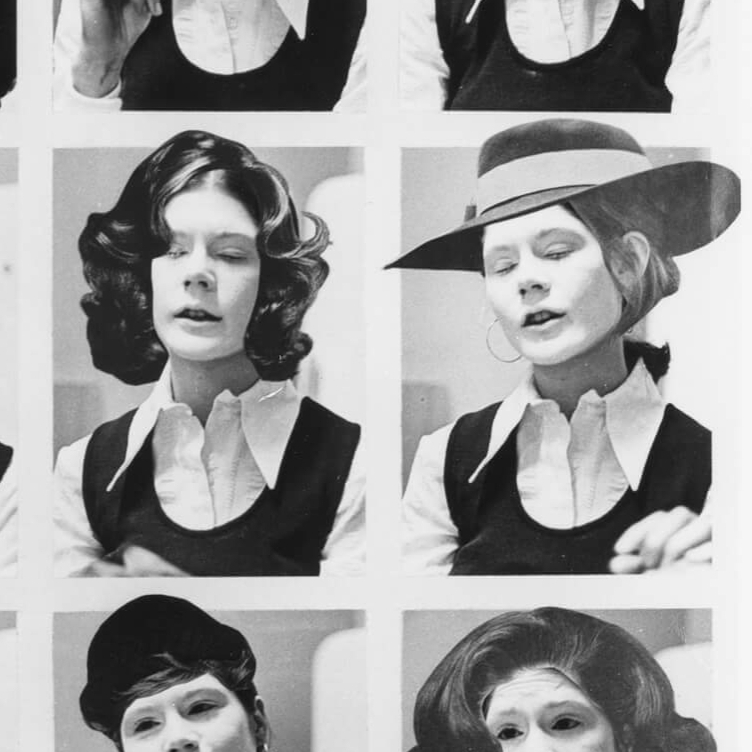 Interrogating Identity
Suzy Lake explores the role of photography in shaping how we understand and see ourselves
By Erin Silver
Interrogating Identity
Suzy Lake explores the role of photography in shaping how we understand and see ourselves
By Erin Silver
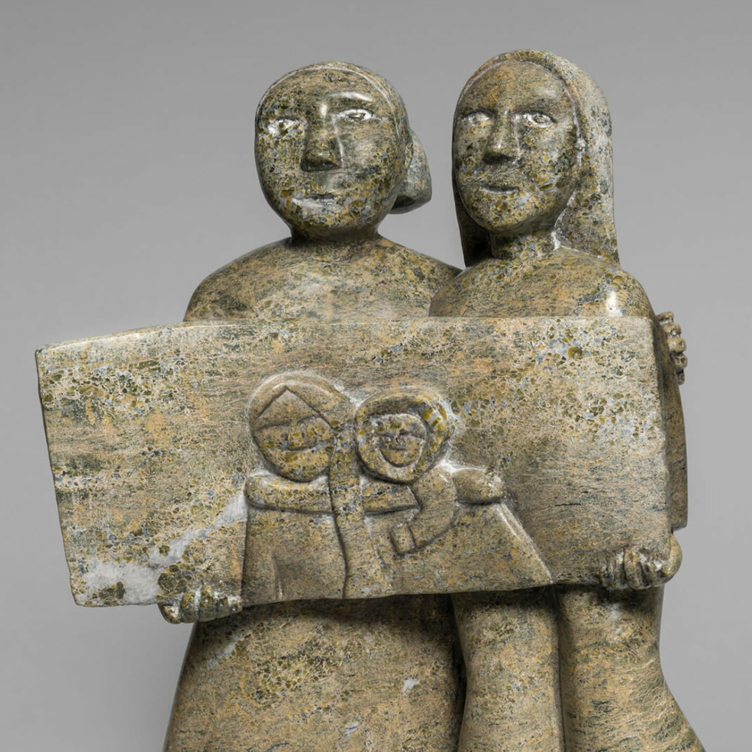 An Emboldened Artist
How Oviloo Tunnillie achieved rare international acclaim as an Inuit female sculptor
By Darlene Coward Wight
An Emboldened Artist
How Oviloo Tunnillie achieved rare international acclaim as an Inuit female sculptor
By Darlene Coward Wight
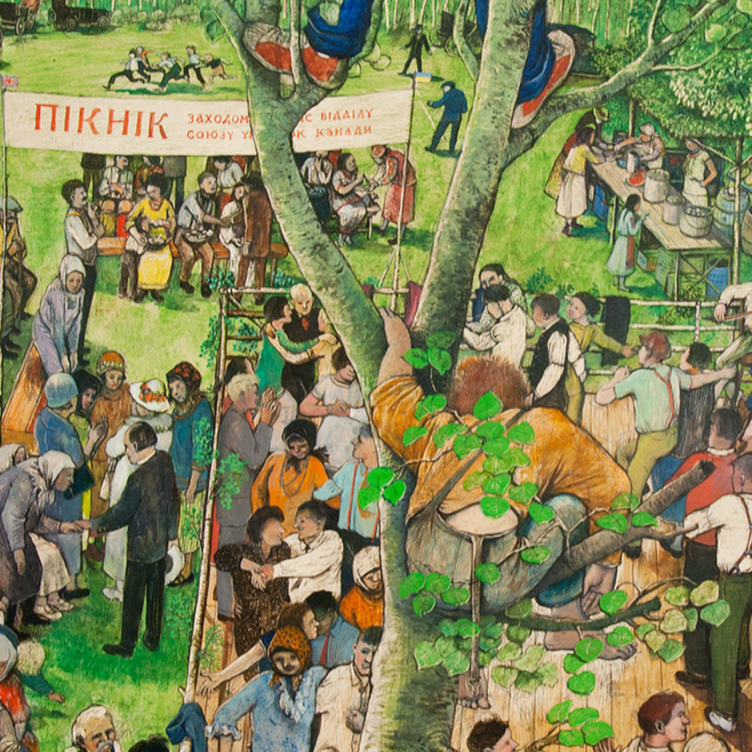 Painting the Cultural Mosaic
William Kurelek traversed the country in a quest to capture its diverse inhabitants
By Andrew Kear
Painting the Cultural Mosaic
William Kurelek traversed the country in a quest to capture its diverse inhabitants
By Andrew Kear
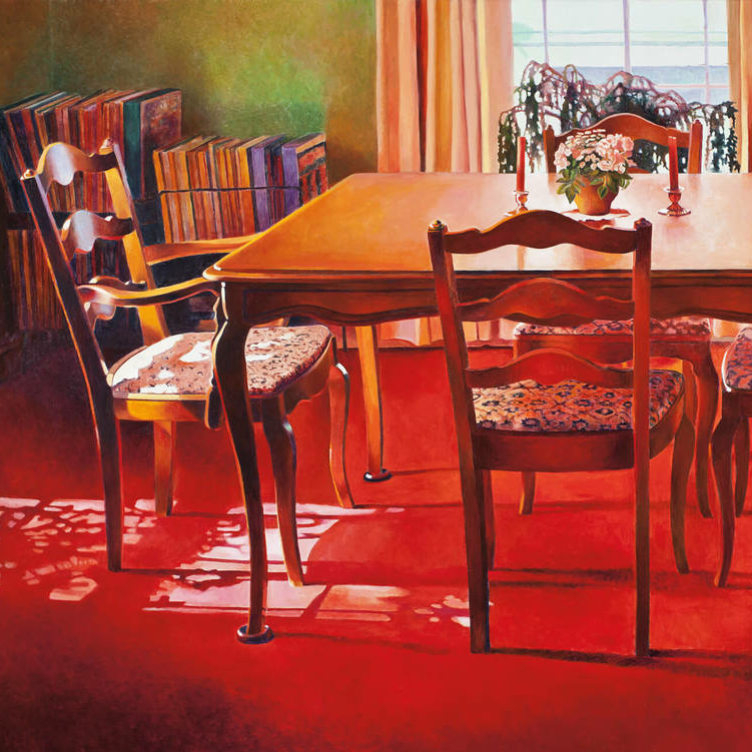 Domestic Discontent
Mary Pratt’s poetic scenes of home life are praised for their political edge
By Ray Cronin
Domestic Discontent
Mary Pratt’s poetic scenes of home life are praised for their political edge
By Ray Cronin
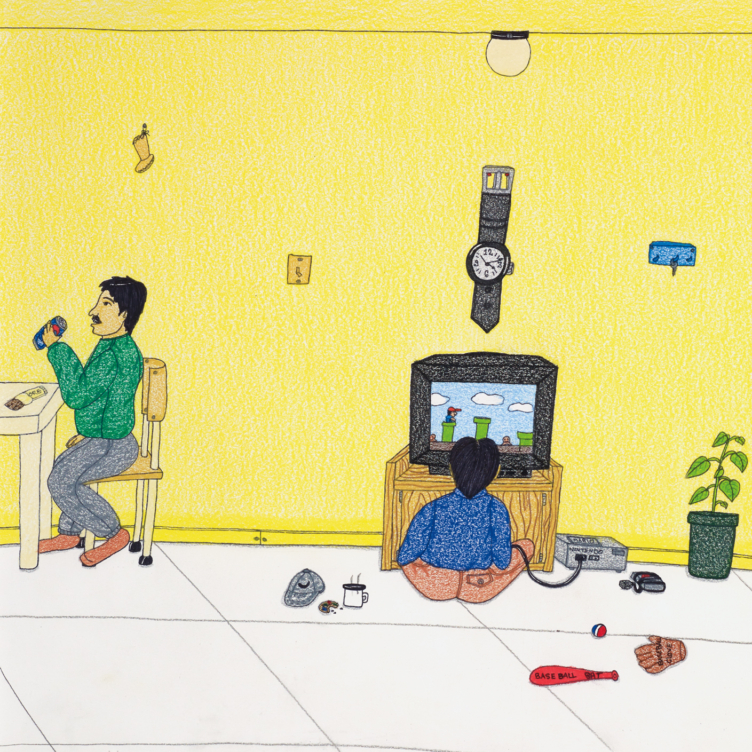 A New Vision of the North
Annie Pootoogook’s art offers unprecedented insights into the contemporary Arctic
By Nancy G. Campbell
A New Vision of the North
Annie Pootoogook’s art offers unprecedented insights into the contemporary Arctic
By Nancy G. Campbell
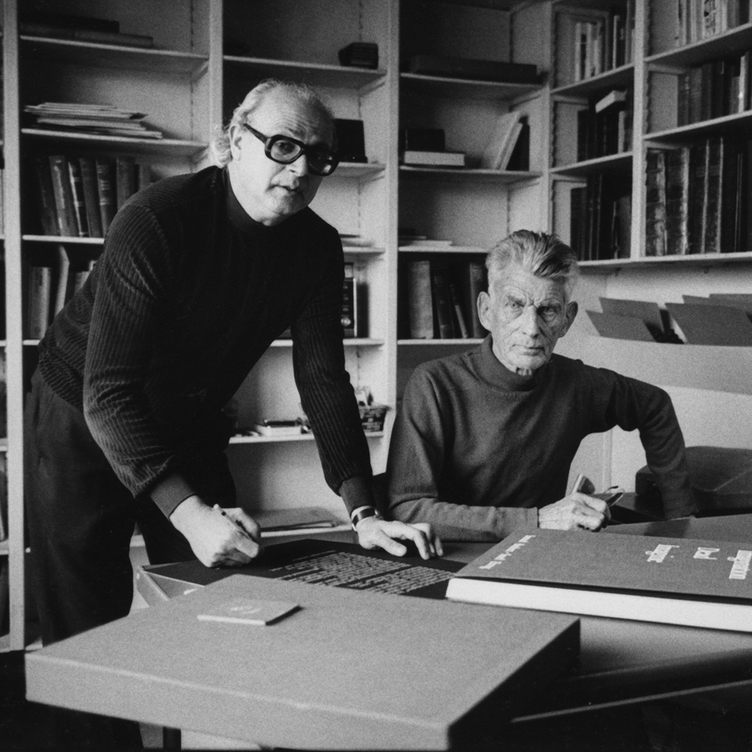 Meetings of Minds
Sorel Etrog found new ideas in collaborative work
By Alma Mikulinsky
Meetings of Minds
Sorel Etrog found new ideas in collaborative work
By Alma Mikulinsky
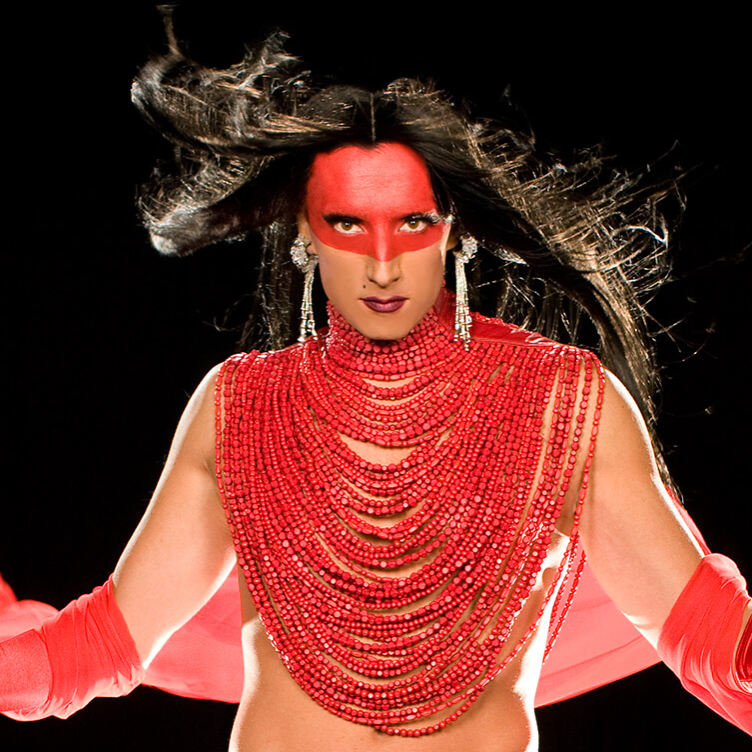 Introducing Miss Chief
An excerpt from the ACI’s book “Revision and Resistance”
By Shirley Madill
Introducing Miss Chief
An excerpt from the ACI’s book “Revision and Resistance”
By Shirley Madill
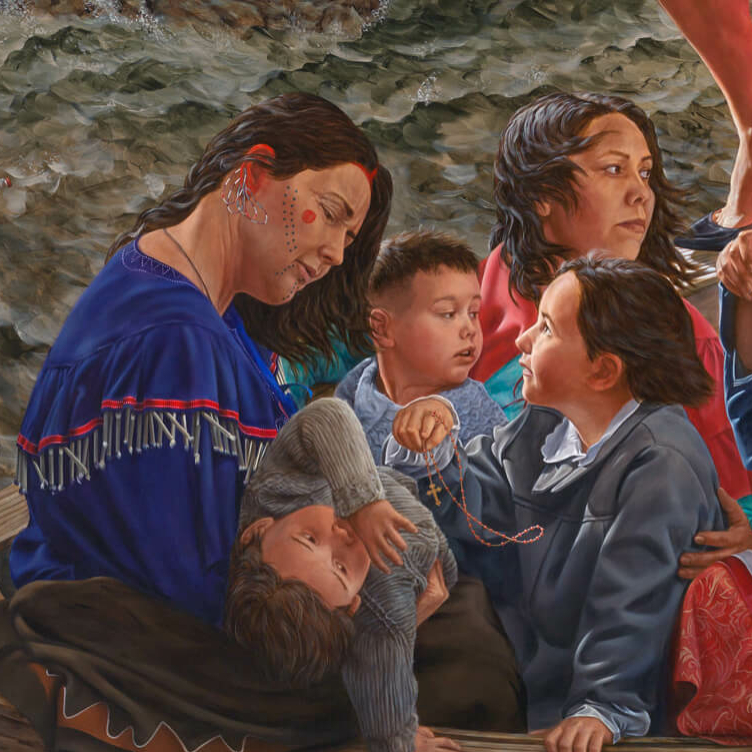 A Practice of Recovery
An excerpt from the ACI’s book “Revision and Resistance”
By Sasha Suda
A Practice of Recovery
An excerpt from the ACI’s book “Revision and Resistance”
By Sasha Suda
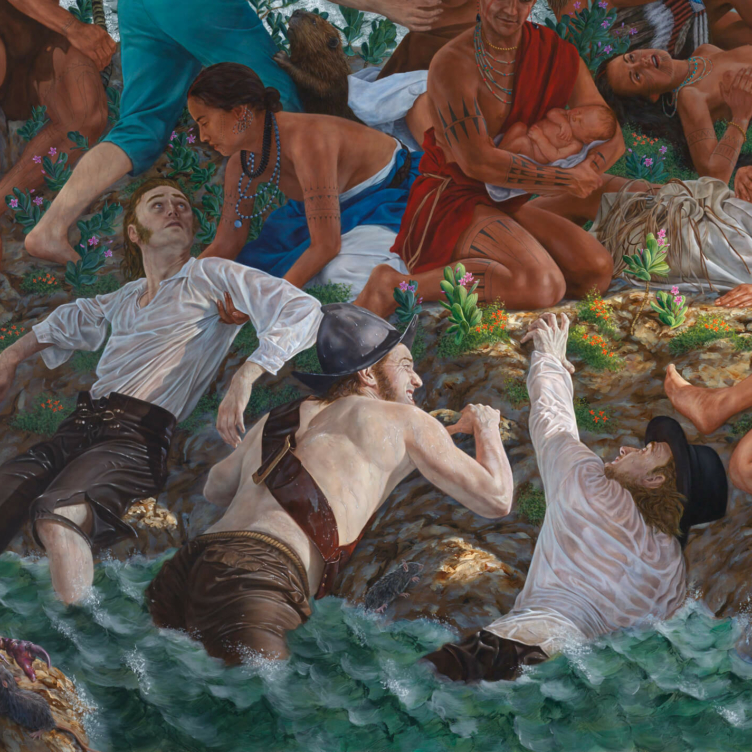 Decolonizing History Painting
An excerpt from the ACI’s book “Revision and Resistance”
By Ruth B. Phillips and Mark Salber Phillips
Decolonizing History Painting
An excerpt from the ACI’s book “Revision and Resistance”
By Ruth B. Phillips and Mark Salber Phillips
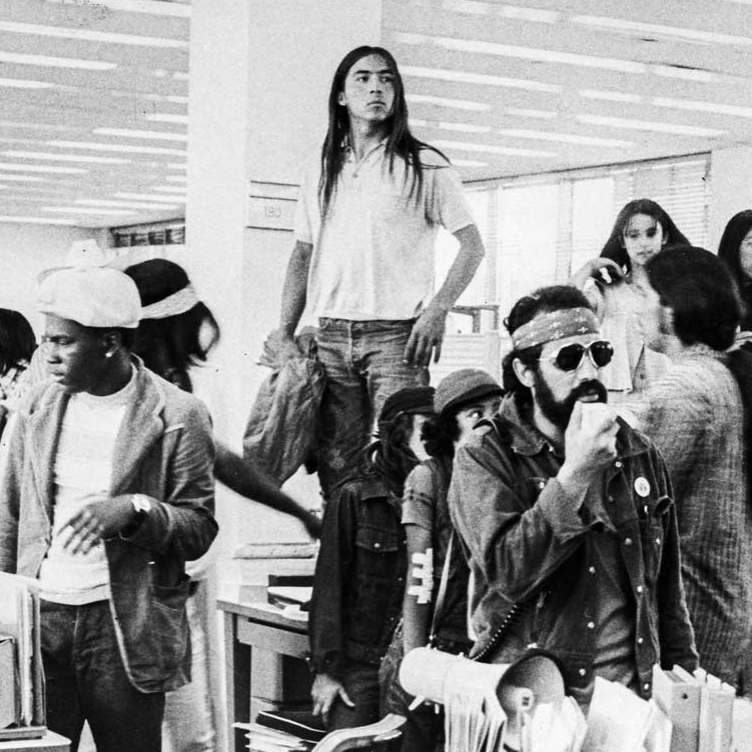 A Vision for the Future
An excerpt from the ACI’s book “Revision and Resistance”
By Nick Estes
A Vision for the Future
An excerpt from the ACI’s book “Revision and Resistance”
By Nick Estes
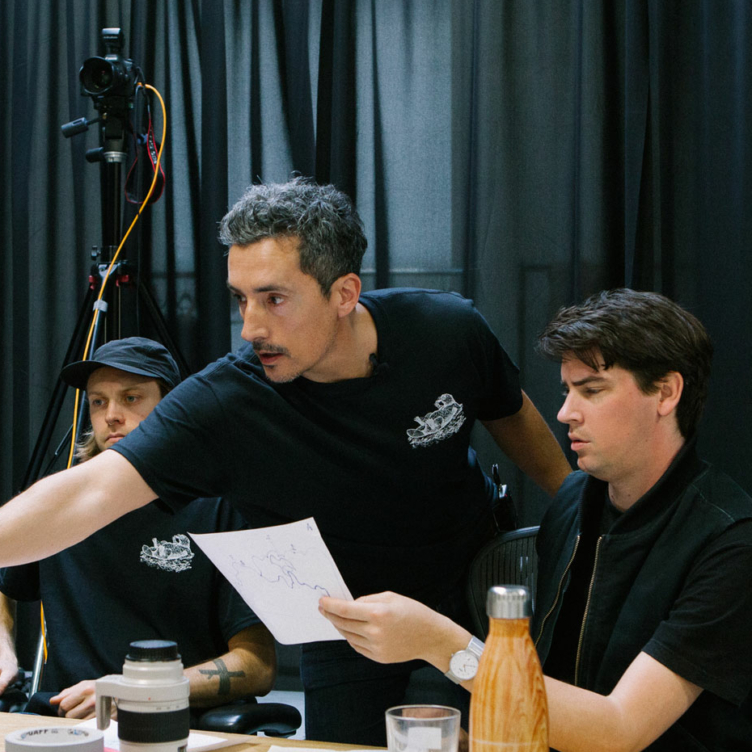 Inside Kent Monkman’s Studio
An excerpt from the ACI’s book “Revision and Resistance”
By Jami C. Powell
Inside Kent Monkman’s Studio
An excerpt from the ACI’s book “Revision and Resistance”
By Jami C. Powell
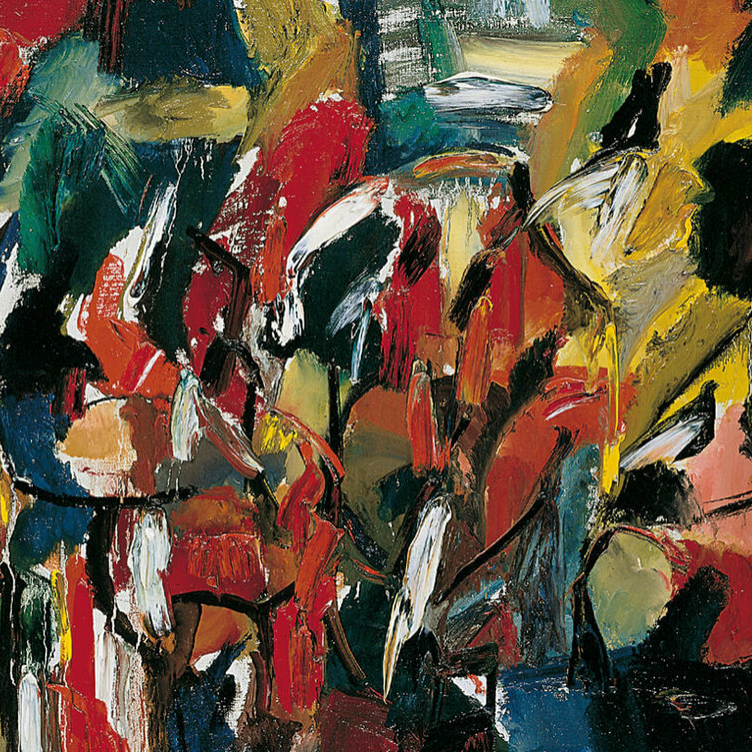 The Rule of Chance
Jean Paul Riopelle’s break with Automatism
By François-Marc Gagnon
The Rule of Chance
Jean Paul Riopelle’s break with Automatism
By François-Marc Gagnon
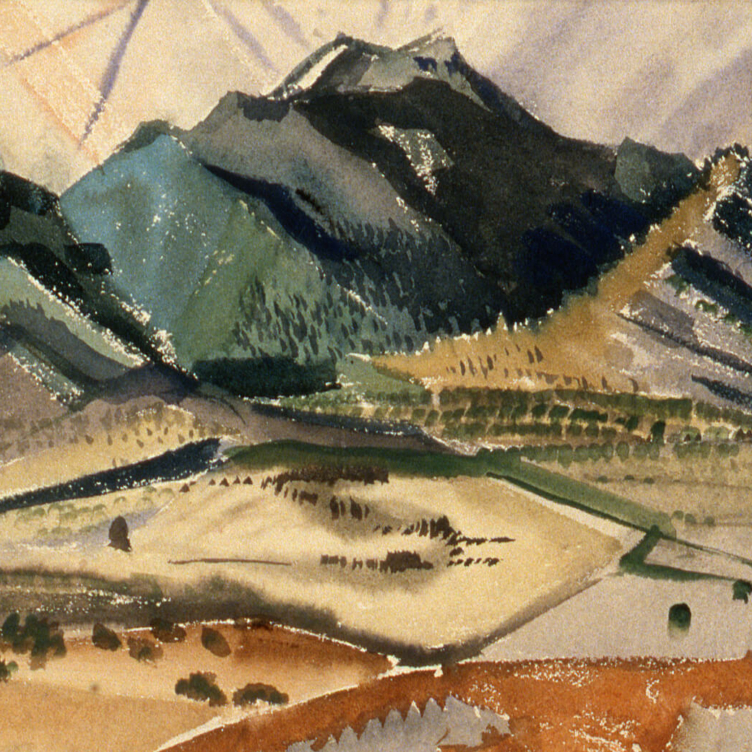 From Taos to New York
Agnes Martin and the currents of American Art
By Christopher Régimbal
From Taos to New York
Agnes Martin and the currents of American Art
By Christopher Régimbal
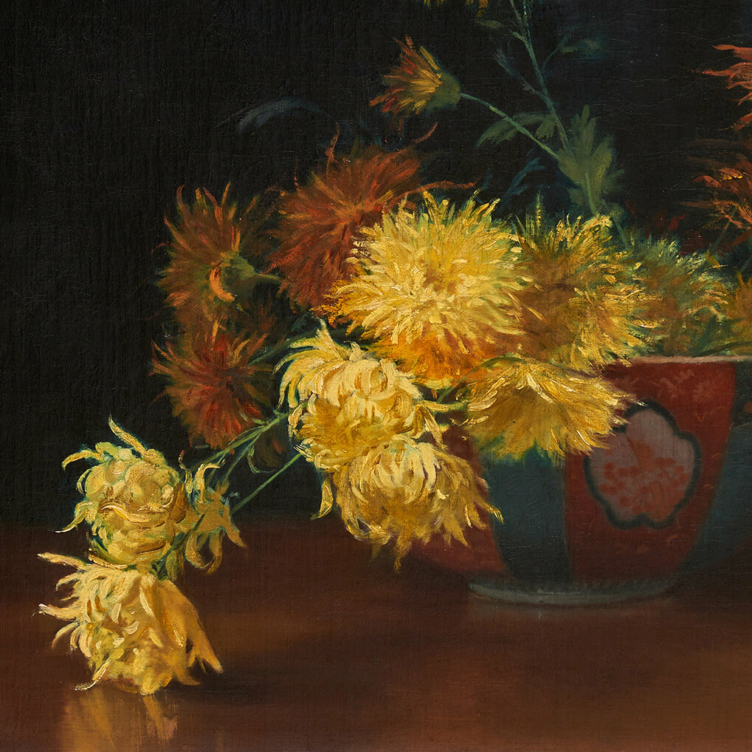 An Artist Blooms
Mary Hiester Reid’s floral aesthetics
By Andrea Terry
An Artist Blooms
Mary Hiester Reid’s floral aesthetics
By Andrea Terry
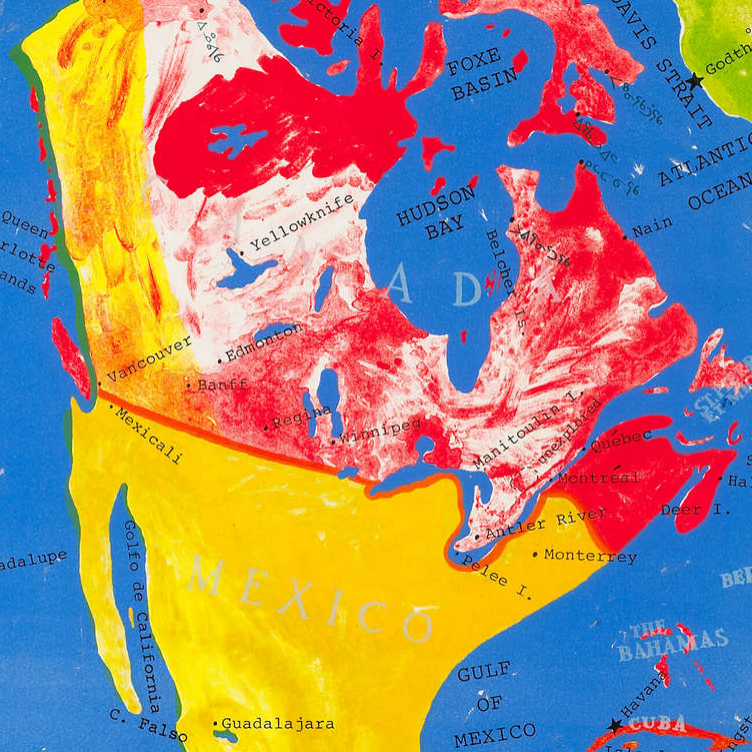 The Patriotic Painter
Greg Curnoe’s Canada
By Judith Rodger
The Patriotic Painter
Greg Curnoe’s Canada
By Judith Rodger
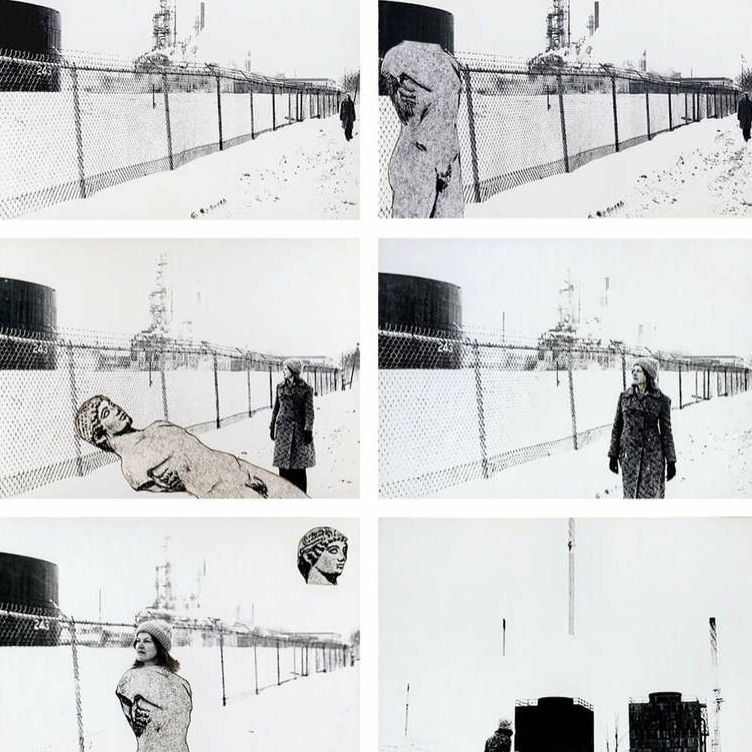 Walking, Stacking, Dancing
Françoise Sullivan’s conceptual 1970s
By Annie Gérin
Walking, Stacking, Dancing
Françoise Sullivan’s conceptual 1970s
By Annie Gérin
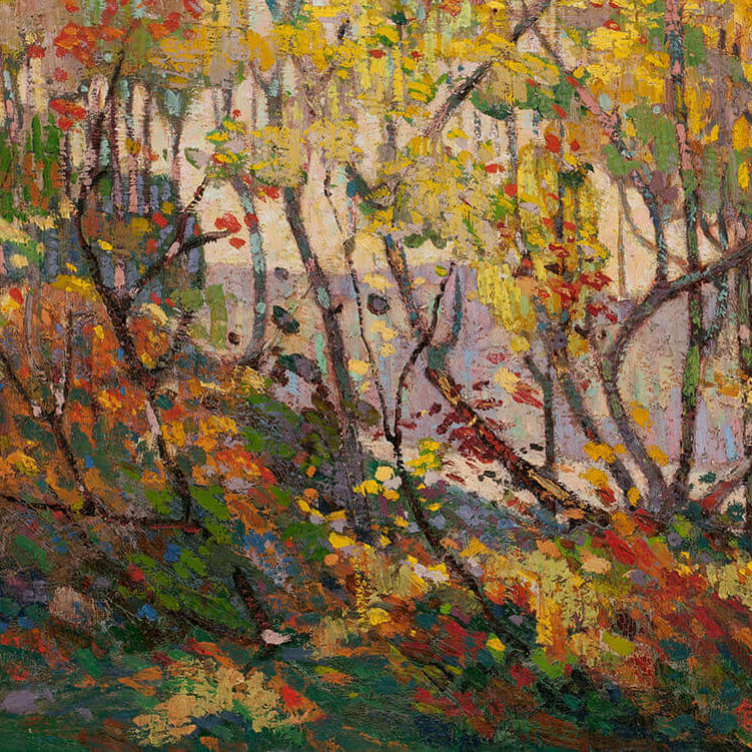 The Extraordinary North
Tom Thomson’s diary of landscape
By David P. Silcox
The Extraordinary North
Tom Thomson’s diary of landscape
By David P. Silcox
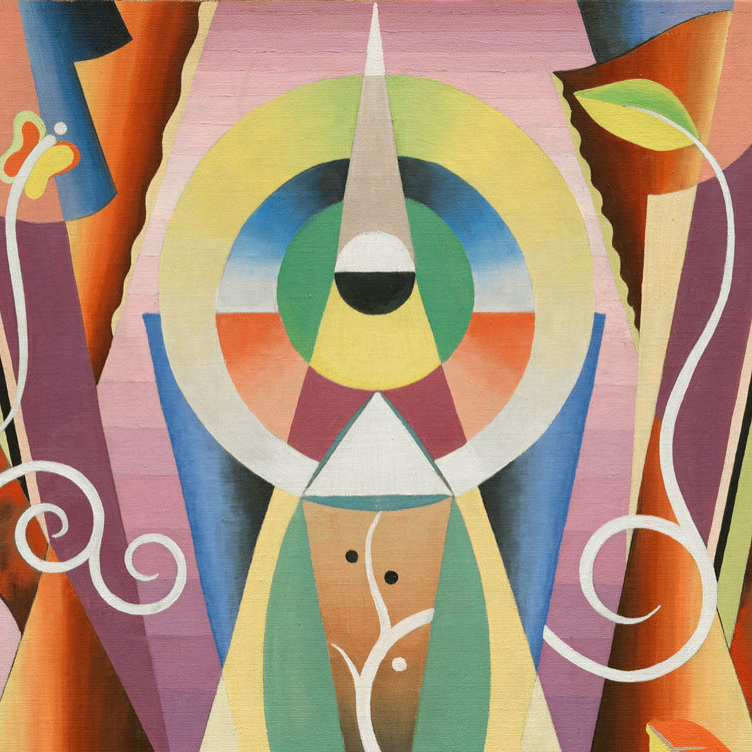 A Champion of Abstraction
Jock Macdonald sought a new expression in art
By Joyce Zemans
A Champion of Abstraction
Jock Macdonald sought a new expression in art
By Joyce Zemans