Artist Mary Hiester Reid (1854–1921) painted various subjects during her career: garden vistas, moonlit urban or rural environments, and domestic interiors. Yet she was best known and most praised for her artful depictions of flowers. Her floral still-life paintings distinguished her as an artist, earning her both commercial success and critical acclaim at a time when women were expected to explore art primarily as a domestic hobby. As art historian Pamela Gerrish Nunn explains, “The raw materials for flower-painting were eminently available to women in the domestic environment, and women’s pastimes and domestic skills were both commonly focused on flora, from making cut-paper flowers or embroidering handkerchiefs with tiny roses to arranging vases or nurturing a pot-plant in the rooms of a house.”
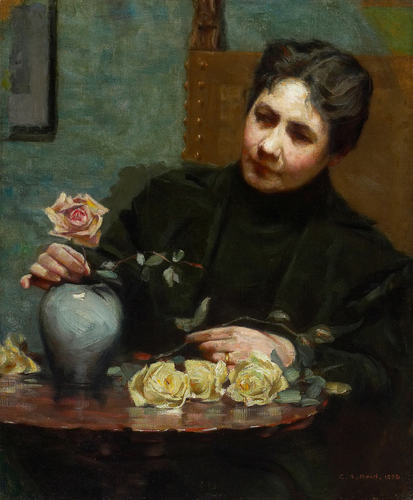
Oil on canvas, 76.8 x 64.1 cm, Art Gallery of Ontario, Toronto
Floral works were extremely popular in the Dutch Republic during the seventeenth century, as the Dutch were the largest growers and exporters of flowers in Europe at the time. The artist Rachel Ruysch (1664–1750) lived and worked in Amsterdam, selling her works to a largely merchant clientele. She eventually became internationally renowned, working from 1708 to 1716 as court painter for Prince Johann Wilhelm in Düsseldorf, Germany. Despite its immense popularity, during the eighteenth century European art academies ranked flower painting as a subset of the still-life painting genre, the lowliest genre in the academic painting hierarchy.
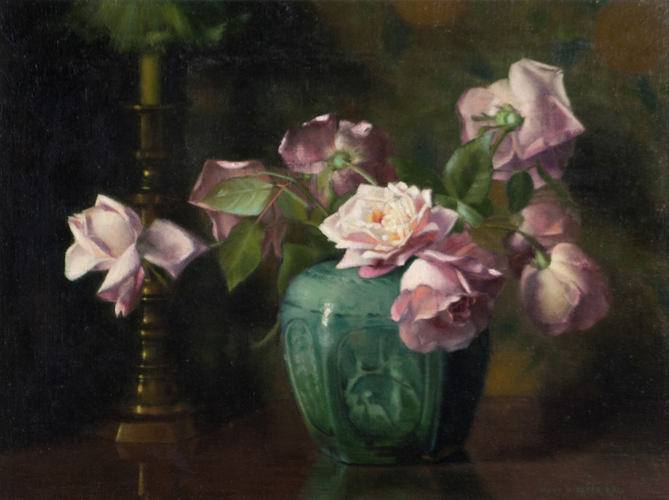
Oil on canvas, 41 x 59 cm, Art Gallery of Windsor
During the nineteenth century, botanical works became teaching tools to illustrate and complement scientific studies documenting a plant’s stages of growth. Although men often provided the texts for these works, it was women who produced the illustrations. Hiester Reid’s Canadian predecessors, Halifax artist Maria Frances Ann Morris Miller (1813–1875) and Ontario-based Agnes Dunbar Moodie Fitzgibbon Chamberlin (1833–1913), who illustrated two books on Canadian flora written by Catharine Parr Traill (1802–1899), Canadian Wild Flowers (1869), and Studies of Plant Life in Canada (1885), strove for scientific accuracy in their botanical works.
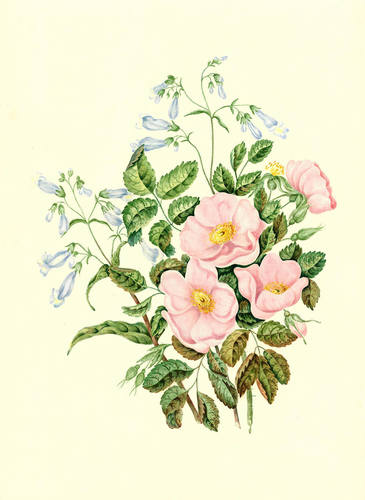
Watercolour, 33 x 24 cm, Thomas Fisher Rare Book Library, University of Toronto
Hiester Reid’s specialization speaks not only to her marketing savvy but also to a longer history of women’s engagement with flower painting, pursued by individuals from Dutch still-life painters such as Ruysch to, perhaps most recognizably today, Georgia O’Keeffe (1887–1986). Like these artists, Hiester Reid started out in her career producing highly realistic works paying meticulous attention to minute details such as the individual petals of a chrysanthemum. But after extensive travels in Europe, she absorbed the influences of international art movements, such as Impressionism and Tonalism, which in turn had a deep impact on her work. As she progressed in her artistic career, Hiester Reid pushed the boundaries of the floral still life, infusing her work with contemporary stylistic traits such as broader brush strokes and impressive tonal variations to define the blooms, turning her still-life works into artfully arranged and Aesthetically informed settings.
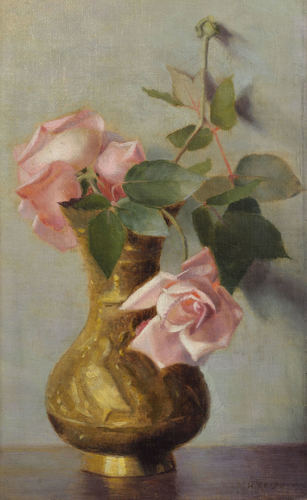
Oil on canvas, 38.1 x 22.8 cm, Ingram Gallery, Toronto
Around the mid- to late nineteenth century, artists heeding the advice and theories of English critic John Ruskin (1819–1900) sought to infuse paintings of flowers with “modern force,” producing works that paid attention to “botanical accuracy,” while simultaneously incorporating “high art ideals.” Hiester Reid adhered to Ruskin’s assertion that a painting must be scientifically accurate, aesthetically pleasing, and poetic in nature. Her efforts to meet these exacting dynamics were noted by reviewers during her own time. In 1899 the pseudonymously named Lynn C. Doyle, writing for Toronto’s Globe, observed that “Mrs. Reid’s flower pieces will never lack for admirers, and for the best of reasons; she gives more than their mere likeness, something of its inner grace, or soul, for as one great Frenchman claimed, ‘everything in nature has a hidden, and, so as to say, mortal life.’”
This Essay is excerpted from Mary Heister Ried: Life & Work by Andrea Terry.
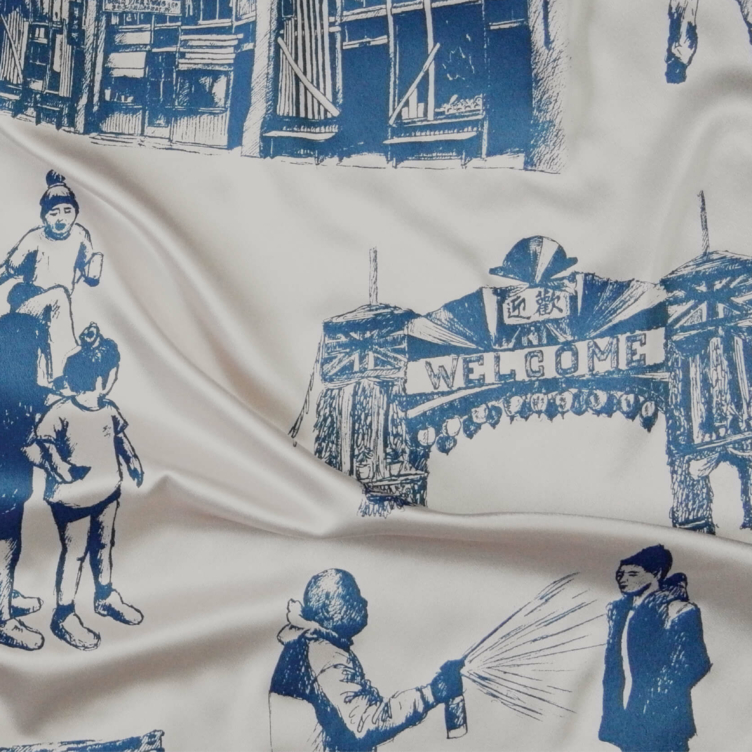 Karen Tam’s Autumn Tigers
Bridging Past and Present: Invisible Made Visible
By Imogene L. Lim, PhD
Karen Tam’s Autumn Tigers
Bridging Past and Present: Invisible Made Visible
By Imogene L. Lim, PhD
 The Frontier Portraits of C.D. Hoy
A Chinese Canadian Photographer’s Tribute to His Community
By Faith Moosang
The Frontier Portraits of C.D. Hoy
A Chinese Canadian Photographer’s Tribute to His Community
By Faith Moosang
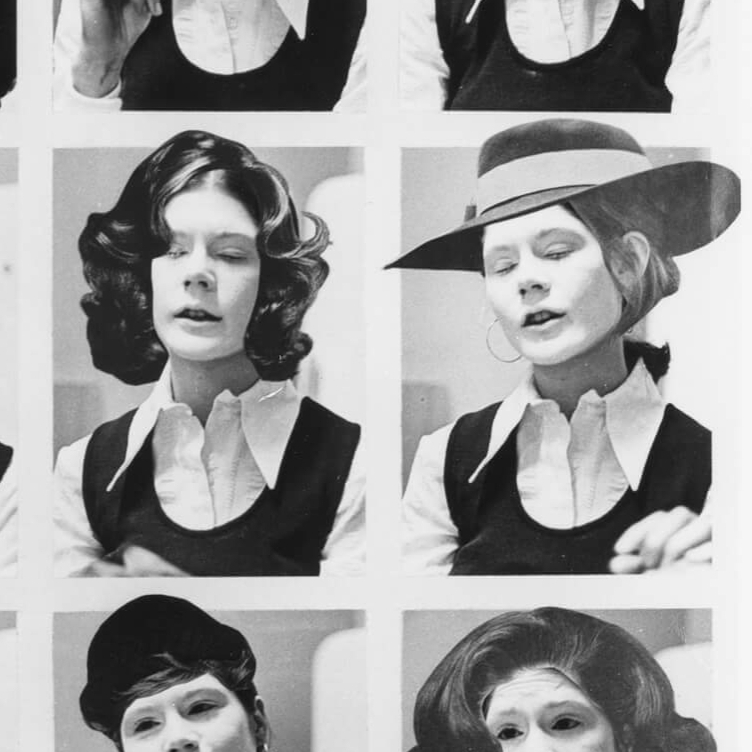 Interrogating Identity
Suzy Lake explores the role of photography in shaping how we understand and see ourselves
By Erin Silver
Interrogating Identity
Suzy Lake explores the role of photography in shaping how we understand and see ourselves
By Erin Silver
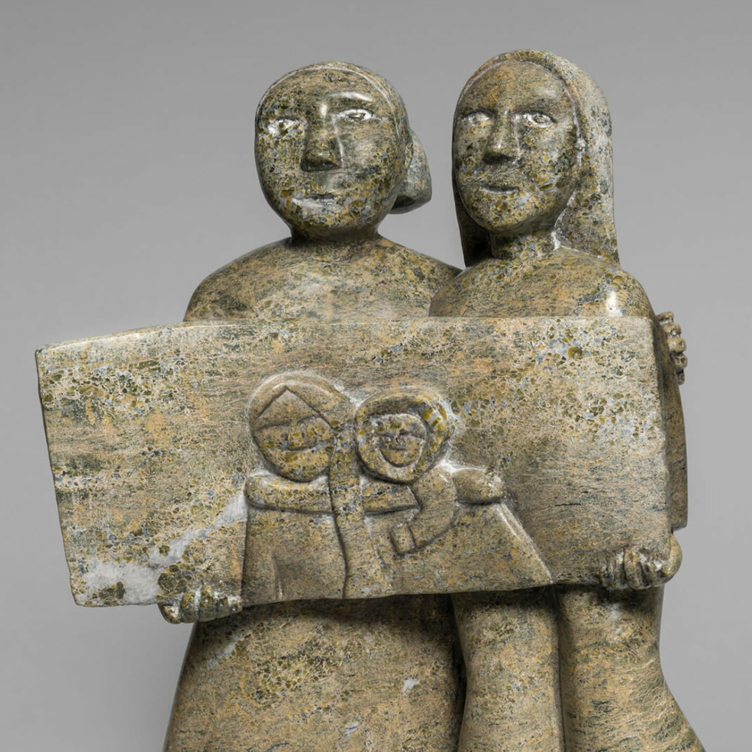 An Emboldened Artist
How Oviloo Tunnillie achieved rare international acclaim as an Inuit female sculptor
By Darlene Coward Wight
An Emboldened Artist
How Oviloo Tunnillie achieved rare international acclaim as an Inuit female sculptor
By Darlene Coward Wight
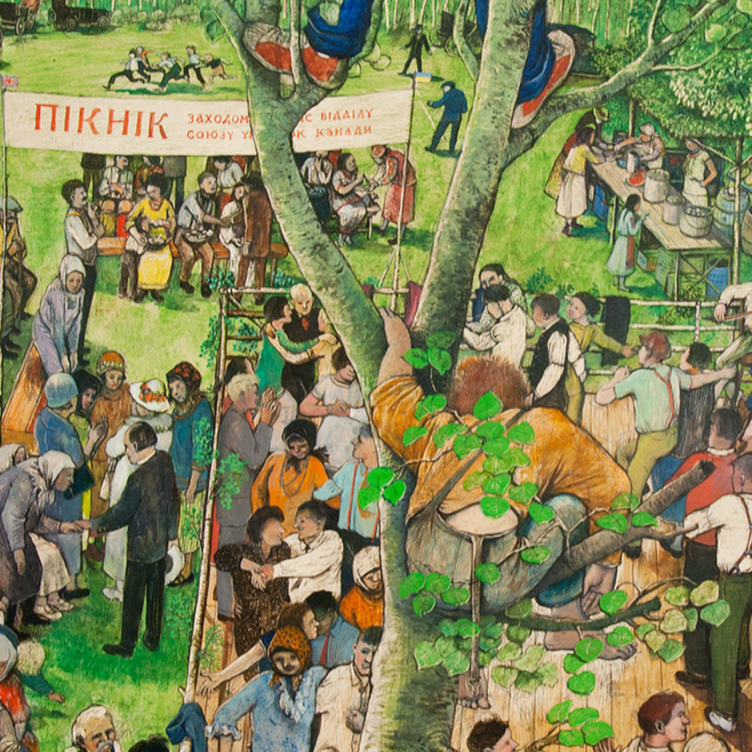 Painting the Cultural Mosaic
William Kurelek traversed the country in a quest to capture its diverse inhabitants
By Andrew Kear
Painting the Cultural Mosaic
William Kurelek traversed the country in a quest to capture its diverse inhabitants
By Andrew Kear
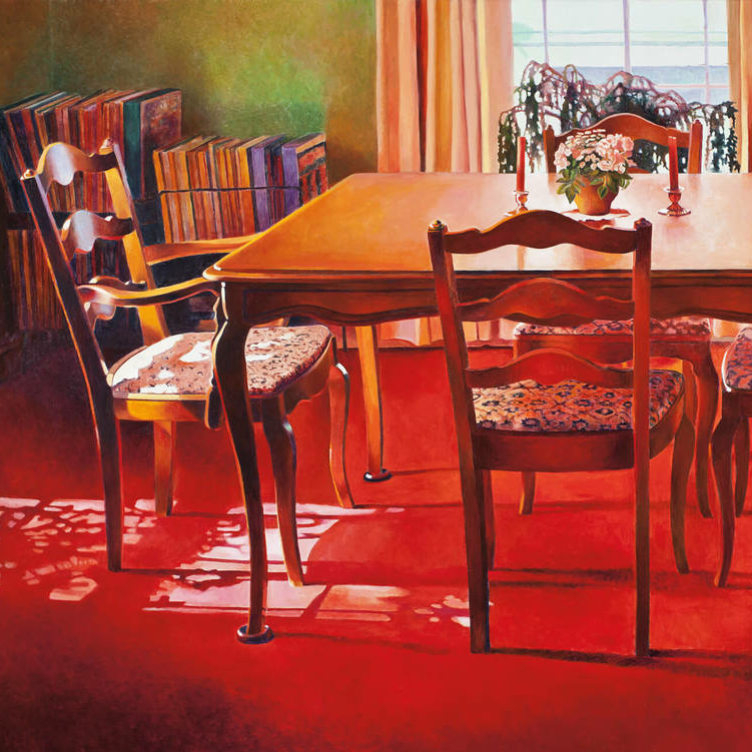 Domestic Discontent
Mary Pratt’s poetic scenes of home life are praised for their political edge
By Ray Cronin
Domestic Discontent
Mary Pratt’s poetic scenes of home life are praised for their political edge
By Ray Cronin
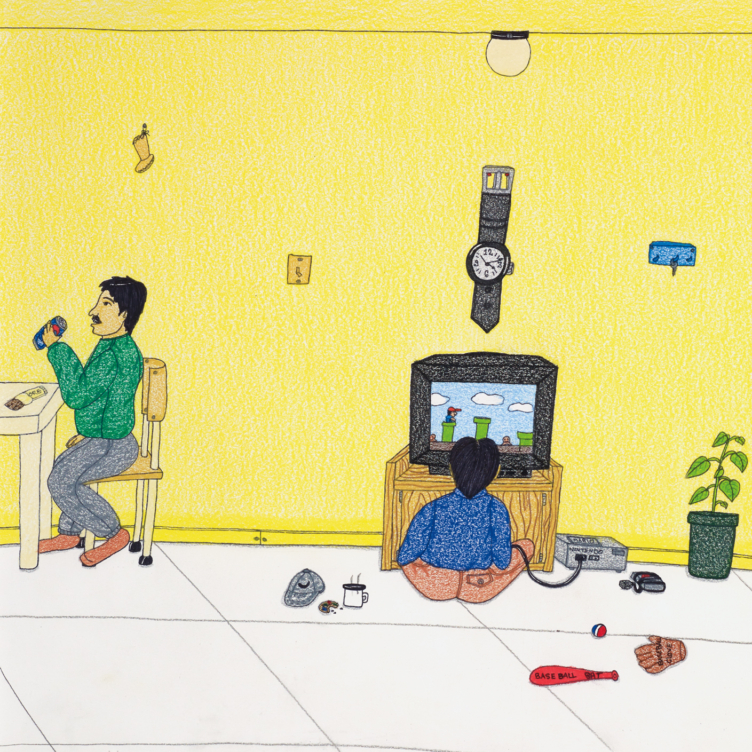 A New Vision of the North
Annie Pootoogook’s art offers unprecedented insights into the contemporary Arctic
By Nancy G. Campbell
A New Vision of the North
Annie Pootoogook’s art offers unprecedented insights into the contemporary Arctic
By Nancy G. Campbell
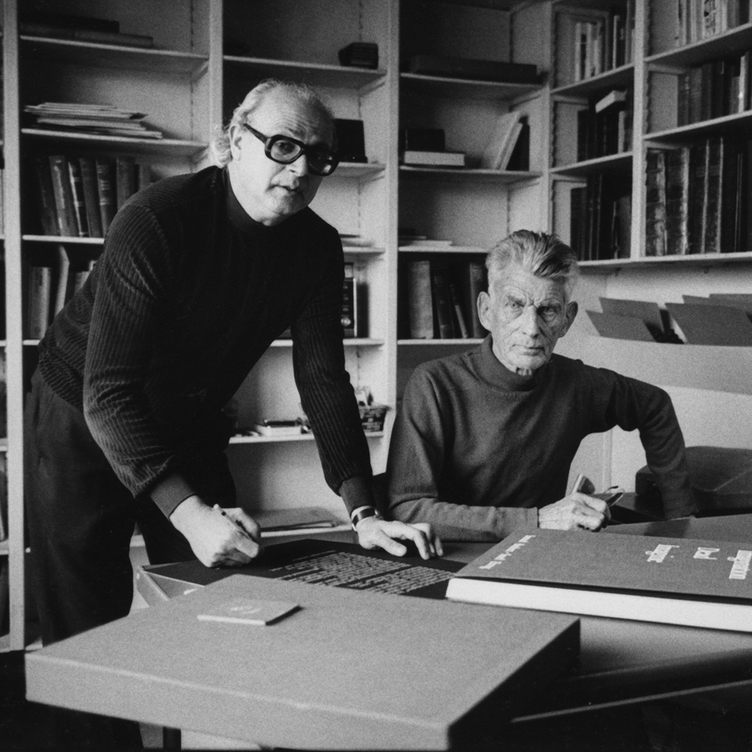 Meetings of Minds
Sorel Etrog found new ideas in collaborative work
By Alma Mikulinsky
Meetings of Minds
Sorel Etrog found new ideas in collaborative work
By Alma Mikulinsky
 Introducing Miss Chief
An excerpt from the ACI’s book “Revision and Resistance”
By Shirley Madill
Introducing Miss Chief
An excerpt from the ACI’s book “Revision and Resistance”
By Shirley Madill
 A Practice of Recovery
An excerpt from the ACI’s book “Revision and Resistance”
By Sasha Suda
A Practice of Recovery
An excerpt from the ACI’s book “Revision and Resistance”
By Sasha Suda
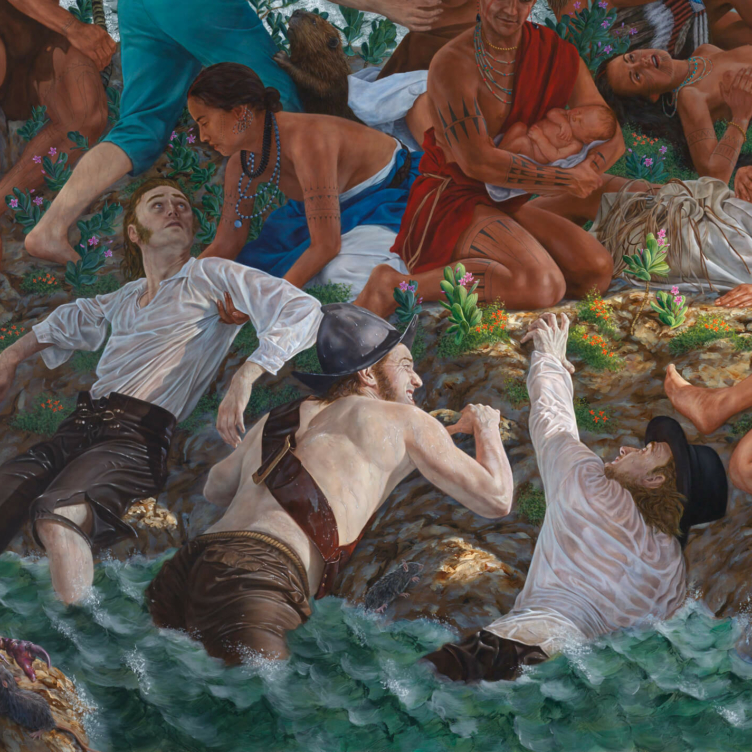 Decolonizing History Painting
An excerpt from the ACI’s book “Revision and Resistance”
By Ruth B. Phillips and Mark Salber Phillips
Decolonizing History Painting
An excerpt from the ACI’s book “Revision and Resistance”
By Ruth B. Phillips and Mark Salber Phillips
 A Vision for the Future
An excerpt from the ACI’s book “Revision and Resistance”
By Nick Estes
A Vision for the Future
An excerpt from the ACI’s book “Revision and Resistance”
By Nick Estes
 Inside Kent Monkman’s Studio
An excerpt from the ACI’s book “Revision and Resistance”
By Jami C. Powell
Inside Kent Monkman’s Studio
An excerpt from the ACI’s book “Revision and Resistance”
By Jami C. Powell
 The Rule of Chance
Jean Paul Riopelle’s break with Automatism
By François-Marc Gagnon
The Rule of Chance
Jean Paul Riopelle’s break with Automatism
By François-Marc Gagnon
 From Taos to New York
Agnes Martin and the currents of American Art
By Christopher Régimbal
From Taos to New York
Agnes Martin and the currents of American Art
By Christopher Régimbal
 The Patriotic Painter
Greg Curnoe’s Canada
By Judith Rodger
The Patriotic Painter
Greg Curnoe’s Canada
By Judith Rodger
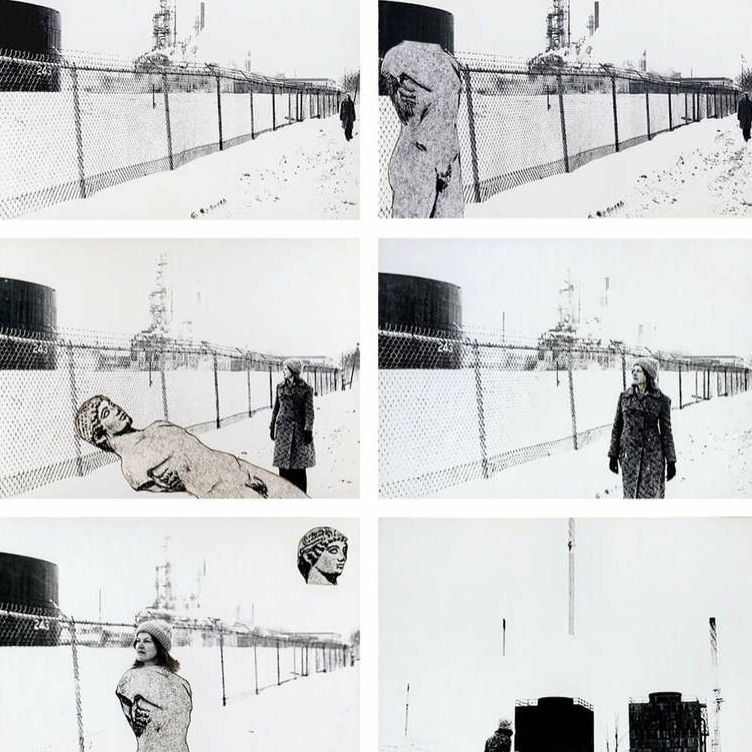 Walking, Stacking, Dancing
Françoise Sullivan’s conceptual 1970s
By Annie Gérin
Walking, Stacking, Dancing
Françoise Sullivan’s conceptual 1970s
By Annie Gérin
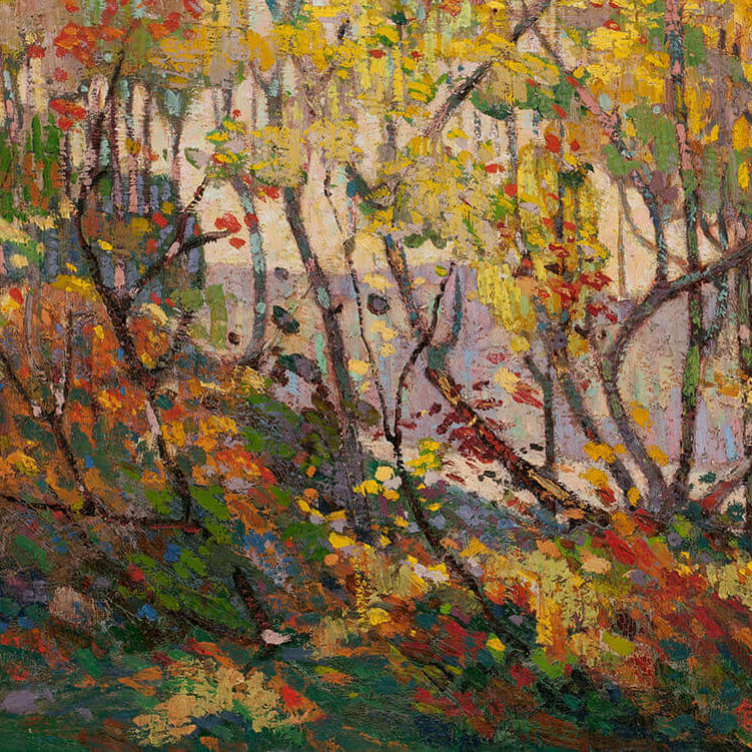 The Extraordinary North
Tom Thomson’s diary of landscape
By David P. Silcox
The Extraordinary North
Tom Thomson’s diary of landscape
By David P. Silcox
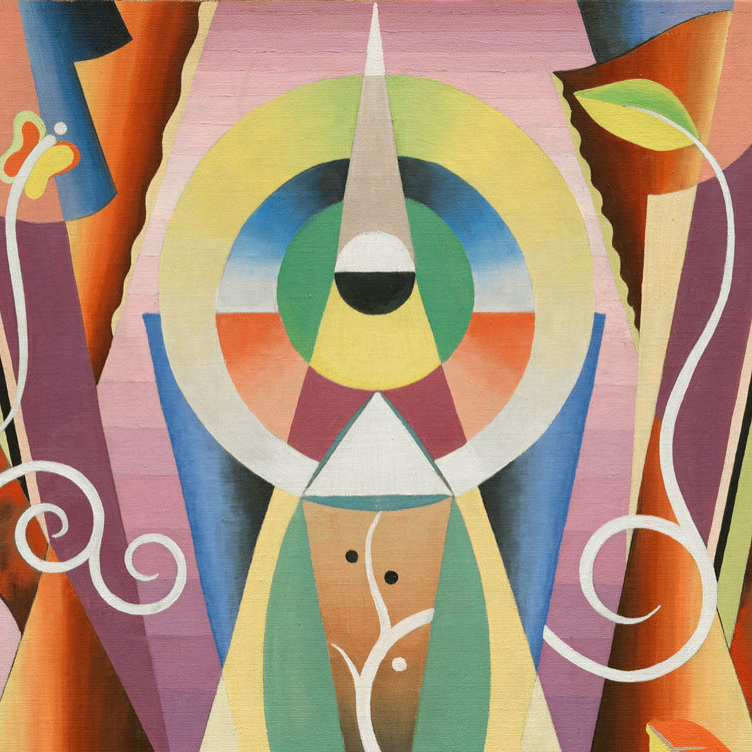 A Champion of Abstraction
Jock Macdonald sought a new expression in art
By Joyce Zemans
A Champion of Abstraction
Jock Macdonald sought a new expression in art
By Joyce Zemans
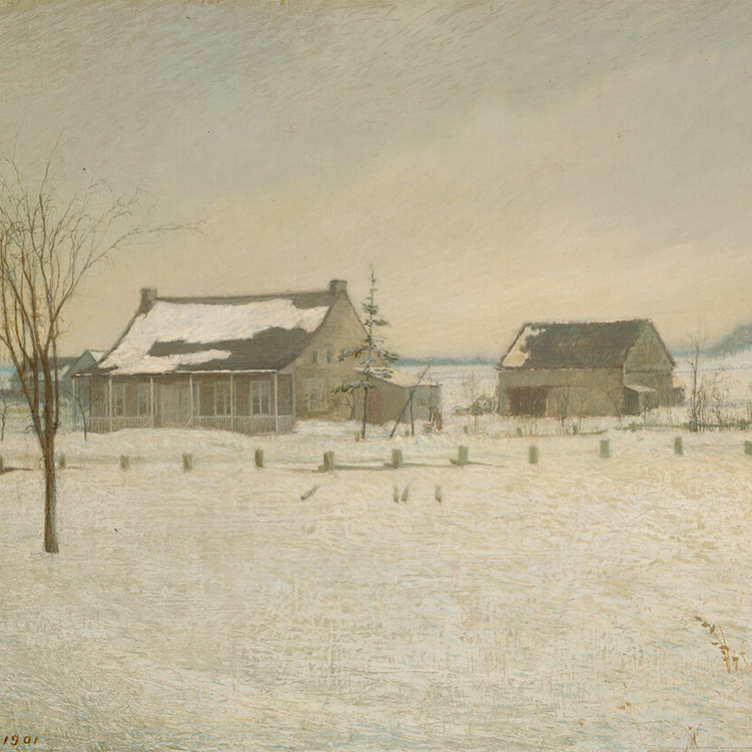 Defiant Spirit
Quebecois artist Ozias Leduc drew on Europe but created a Canadian ideal
By Laurier Lacroix
Defiant Spirit
Quebecois artist Ozias Leduc drew on Europe but created a Canadian ideal
By Laurier Lacroix