Throughout his career, Canadian landscape painter and Group of Seven contemporary Tom Thomson (1877–1917) produced four hundred or more small oil paintings. They are found on wood panels, canvas board, plywood, and cigar-box lids in the plein air style. These were spontaneous, quickly executed sketches that became, for him, like drawings—the most immediate and intimate expression of an idea, a thought, an emotion, or a sensation. Based on his observations of a host of phenomena—sunsets, thunderstorms, and the northern lights—in Algonquin Park and around Georgian Bay, the works are a unique visual diary.
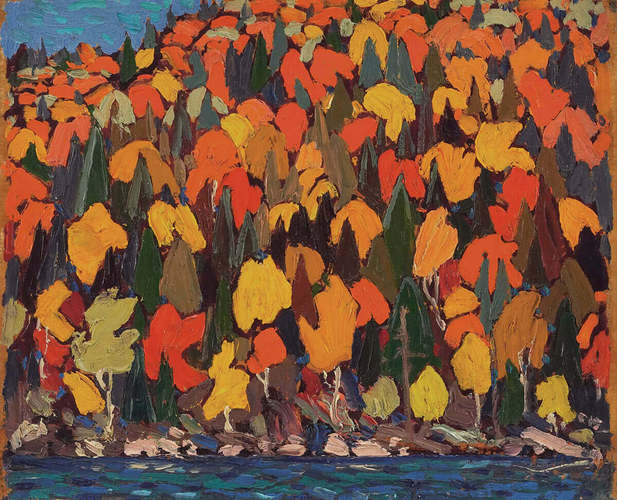
Tom Thomson, Autumn Foliage, 1915
Oil on wood panel, 21.6 x 26.8 cm, Art Gallery of Ontario, Toronto
Thomson’s artistic path was not always straight. To consider his varied and energetic sketches in total invites us to trace certain trends in his oeuvre. Fire Swept Hills is an agitated and chaotically messy elegy to what was once a mature forest: Thomson’s reaction to the land after fire has swept through and ravaged it. Charred spindles of trees standing precariously like lifeless skeletons remind viewers constantly of fire and destruction. In the lower half, a tumble of paint crashes over rocks and more burnt trunks and branches like a wild cataract. Blood reds, blues, ash greys, and whites, all jumbled and mashed violently together, complete its statement of confusion and disorder. In Cranberry Marsh, meanwhile, the normal landscape conventions of his earlier work begin to fade, his hues become more vibrant, and his compositions, while still recognizable as subjects, become battlefields for layers of close-hued or clashing paint.
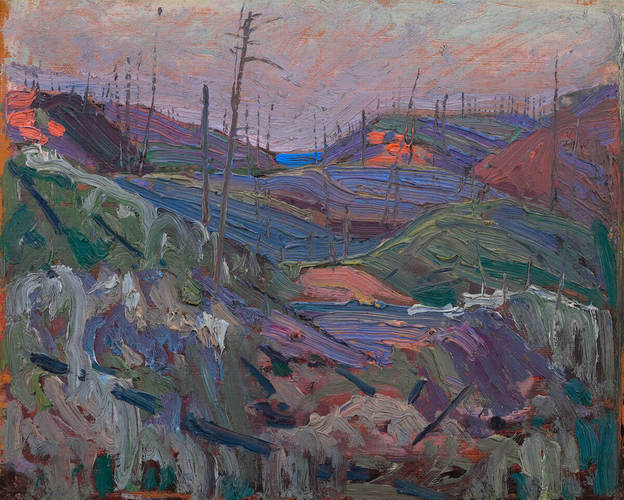
Tom Thomson, Fire-Swept Hills, 1915
Oil on composite wood-pulp board, 23.2 x 26.7 cm, The Thomson Collection, Art Gallery of Ontario, Toronto
These “drawings in paint” have long been considered the core of Thomson’s work. Most of them were not done as studies for larger canvases but as complete works in themselves. He was satisfied with these small gems because he realized, as did his mentors J.E.H. MacDonald (1873–1932) and Lawren Harris (1885–1970), that they would not translate to a large canvas without losing the intimacy that characterizes them profoundly. Only a dozen or so, including The Jack Pine, 1916–17, and The West Wind, 1916–17, were ever realized as large canvases.
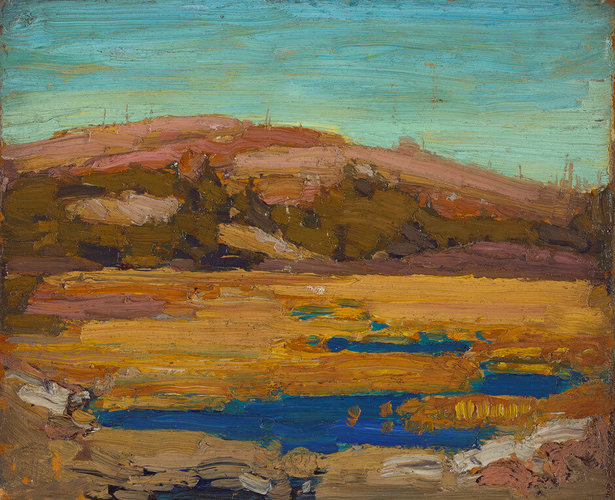
Tom Thomson, Cranberry Marsh, 1916
Oil on wood panel, 21.9 x 27 cm, National Gallery of Canada, Ottawa
The Haystack paintings by Claude Monet (1840–1926) or the large cut-paper collages by Henri Matisse (1869–1954) serve similar ends to Thomson’s panels: they form an extensive suite of paintings with a constant theme. Consistent in style and with a palette of strikingly original colours, the sketches were created with a specific intent and executed in a short window of opportunity. At one point Thomson said he wanted to produce an oil sketch a day of Algonquin Park’s changing scenes, shifting with the weather and the seasons.
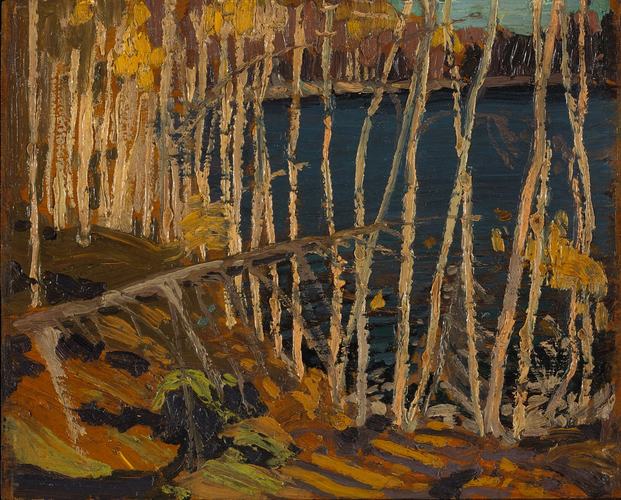
Tom Thomson, Blue Lake: Sketch for “In the Northland,” 1915
Oil on wood, 21.7 x 26.9 cm, National Gallery of Canada, Ottawa
In Canadian art, the exquisite colour drypoints by David Milne (1882–1953) provide a coherent, related body of work. In literature, a similar project might be a suite of poems, such as Shakespeare’s 154 sonnets linked by their theme of heartache, longing, and uncertainty, or Elizabeth Barrett Browning’s Sonnets from the Portuguese, 44 sonnets written for her husband, Robert. Thomson’s small panels are, indeed, like love sonnets to the landscape of Algonquin Park and the idea of the North.
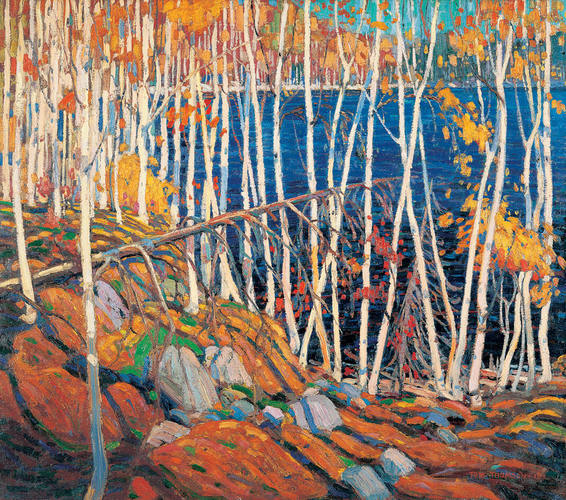
Tom Thomson, In the Northland, 1915–16
Oil on canvas, 101.7 x 114.5 cm, Montreal Museum of Fine Arts
This Essay is excerpted from Tom Thomson: Life & Work by David P. Silcox.
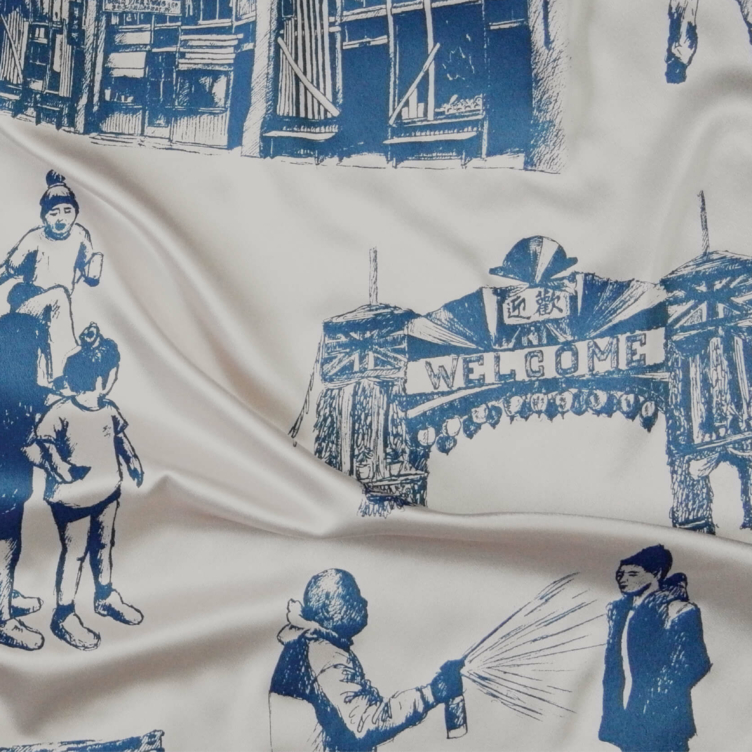 Karen Tam’s Autumn Tigers
Bridging Past and Present: Invisible Made Visible
By Imogene L. Lim, PhD
Karen Tam’s Autumn Tigers
Bridging Past and Present: Invisible Made Visible
By Imogene L. Lim, PhD
 The Frontier Portraits of C.D. Hoy
A Chinese Canadian Photographer’s Tribute to His Community
By Faith Moosang
The Frontier Portraits of C.D. Hoy
A Chinese Canadian Photographer’s Tribute to His Community
By Faith Moosang
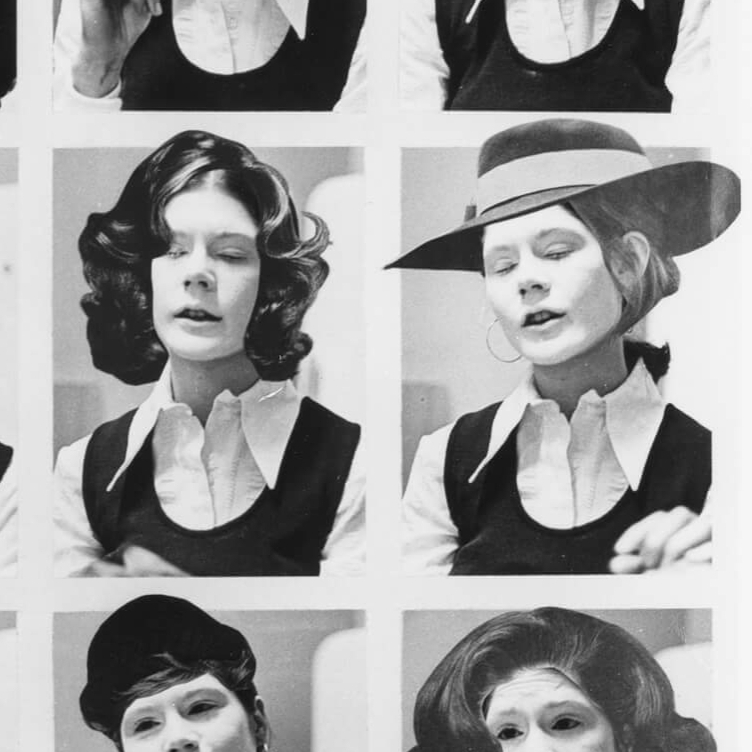 Interrogating Identity
Suzy Lake explores the role of photography in shaping how we understand and see ourselves
By Erin Silver
Interrogating Identity
Suzy Lake explores the role of photography in shaping how we understand and see ourselves
By Erin Silver
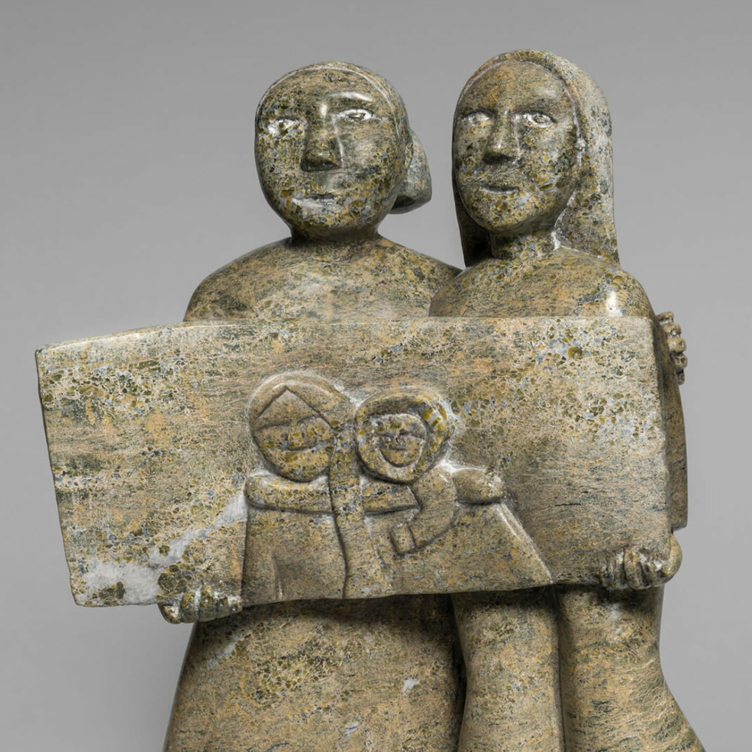 An Emboldened Artist
How Oviloo Tunnillie achieved rare international acclaim as an Inuit female sculptor
By Darlene Coward Wight
An Emboldened Artist
How Oviloo Tunnillie achieved rare international acclaim as an Inuit female sculptor
By Darlene Coward Wight
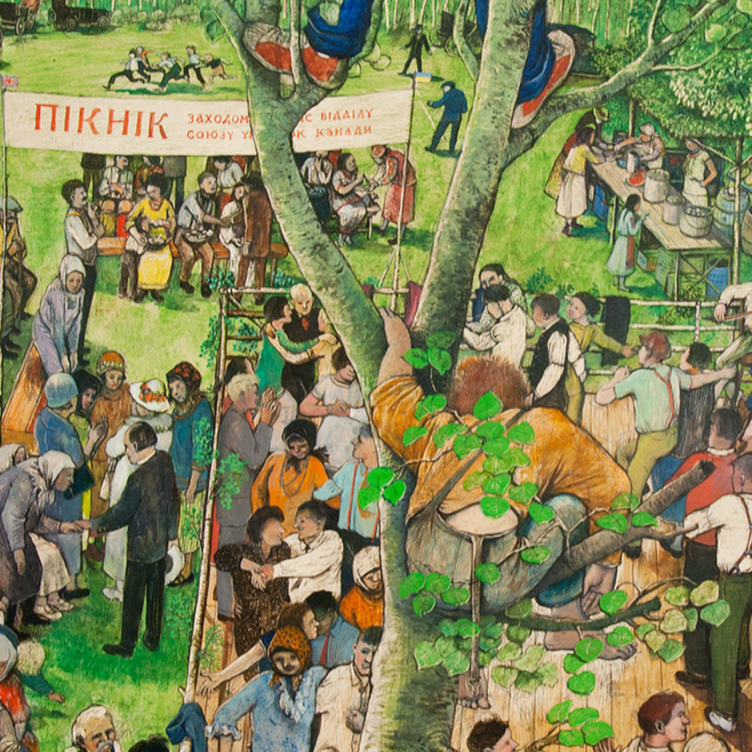 Painting the Cultural Mosaic
William Kurelek traversed the country in a quest to capture its diverse inhabitants
By Andrew Kear
Painting the Cultural Mosaic
William Kurelek traversed the country in a quest to capture its diverse inhabitants
By Andrew Kear
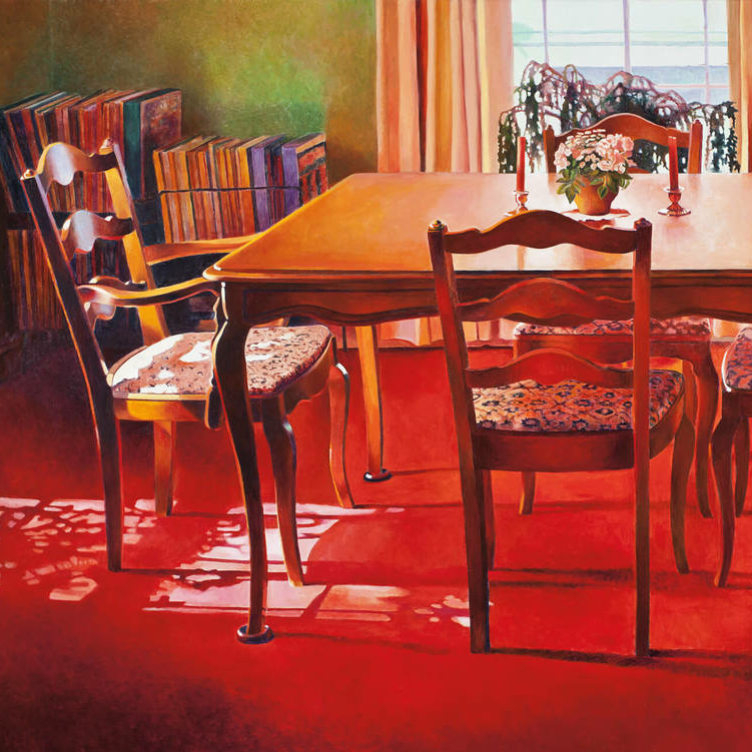 Domestic Discontent
Mary Pratt’s poetic scenes of home life are praised for their political edge
By Ray Cronin
Domestic Discontent
Mary Pratt’s poetic scenes of home life are praised for their political edge
By Ray Cronin
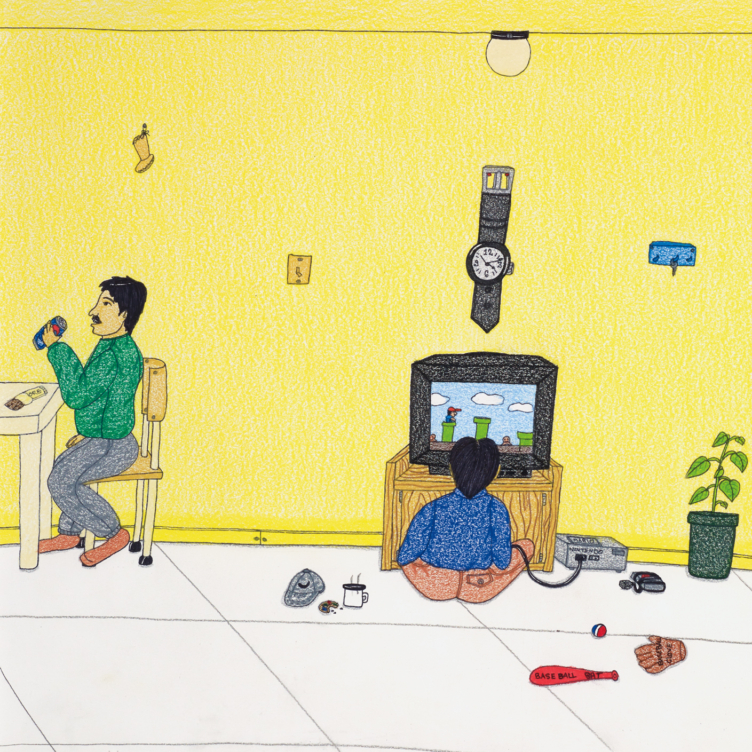 A New Vision of the North
Annie Pootoogook’s art offers unprecedented insights into the contemporary Arctic
By Nancy G. Campbell
A New Vision of the North
Annie Pootoogook’s art offers unprecedented insights into the contemporary Arctic
By Nancy G. Campbell
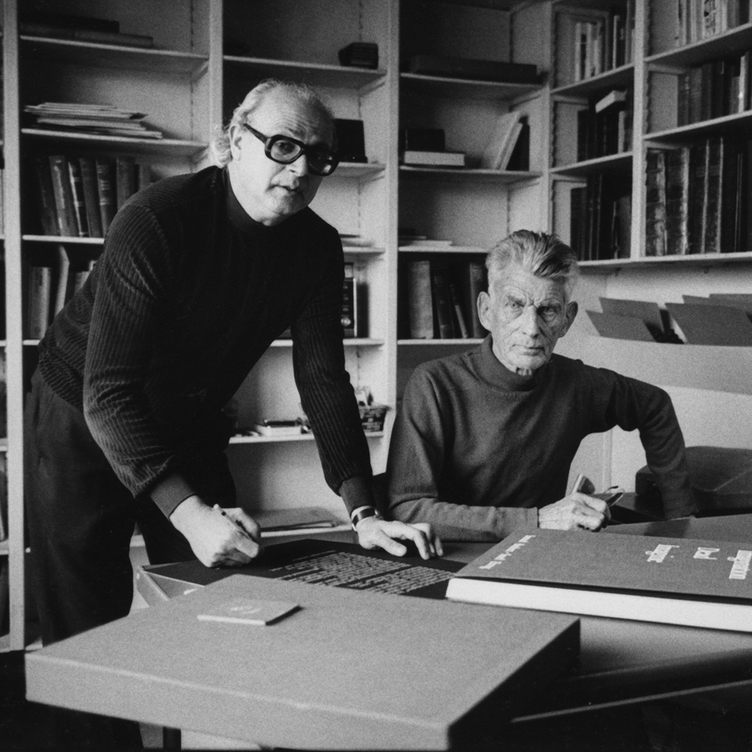 Meetings of Minds
Sorel Etrog found new ideas in collaborative work
By Alma Mikulinsky
Meetings of Minds
Sorel Etrog found new ideas in collaborative work
By Alma Mikulinsky
 Introducing Miss Chief
An excerpt from the ACI’s book “Revision and Resistance”
By Shirley Madill
Introducing Miss Chief
An excerpt from the ACI’s book “Revision and Resistance”
By Shirley Madill
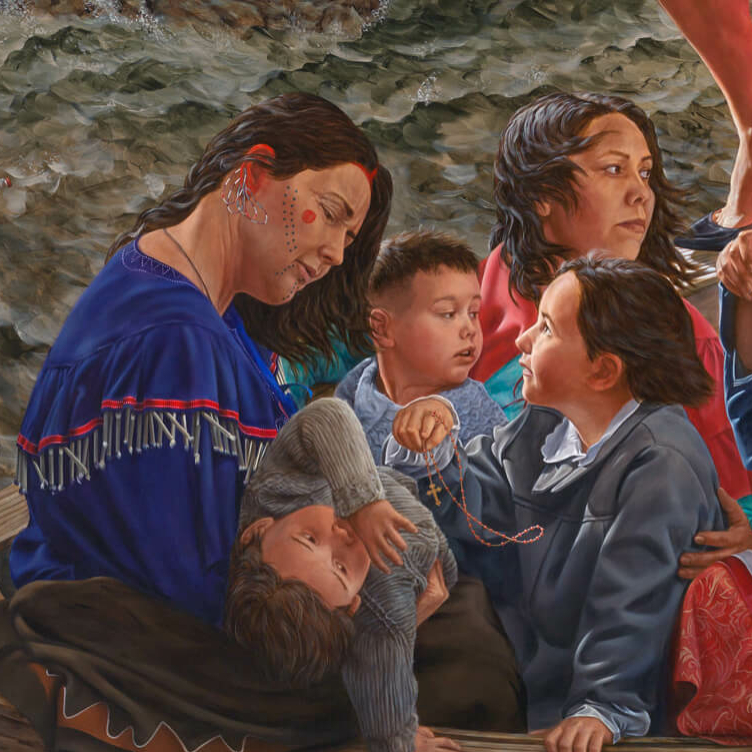 A Practice of Recovery
An excerpt from the ACI’s book “Revision and Resistance”
By Sasha Suda
A Practice of Recovery
An excerpt from the ACI’s book “Revision and Resistance”
By Sasha Suda
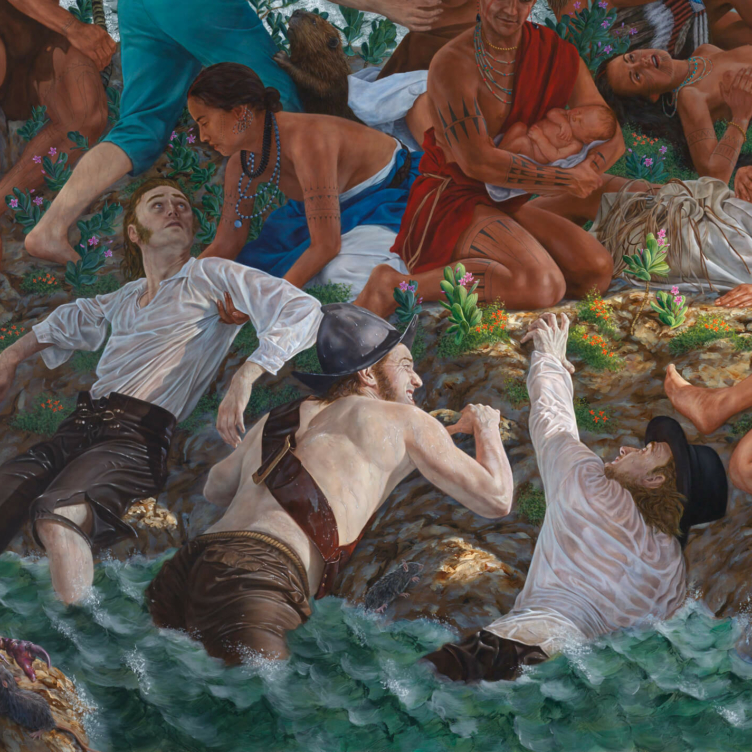 Decolonizing History Painting
An excerpt from the ACI’s book “Revision and Resistance”
By Ruth B. Phillips and Mark Salber Phillips
Decolonizing History Painting
An excerpt from the ACI’s book “Revision and Resistance”
By Ruth B. Phillips and Mark Salber Phillips
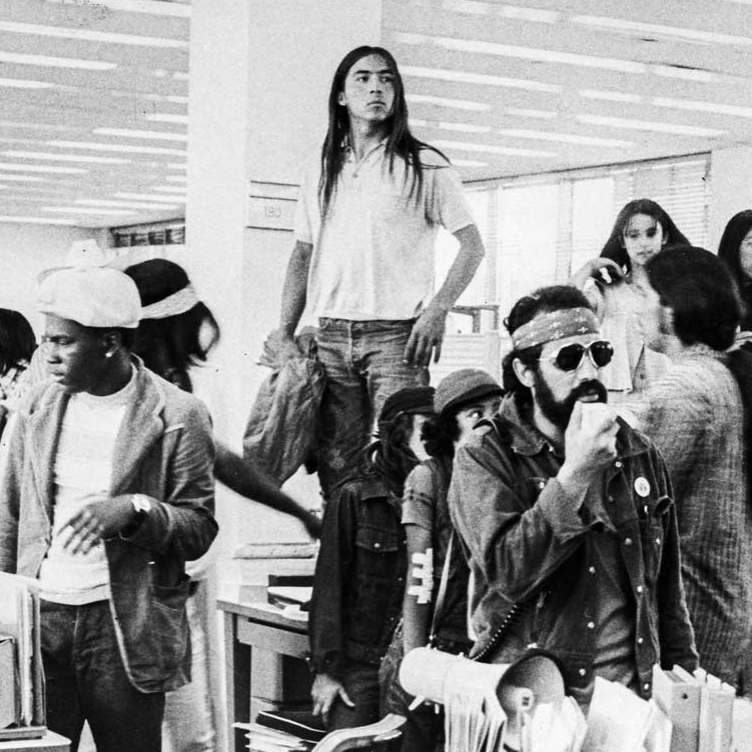 A Vision for the Future
An excerpt from the ACI’s book “Revision and Resistance”
By Nick Estes
A Vision for the Future
An excerpt from the ACI’s book “Revision and Resistance”
By Nick Estes
 Inside Kent Monkman’s Studio
An excerpt from the ACI’s book “Revision and Resistance”
By Jami C. Powell
Inside Kent Monkman’s Studio
An excerpt from the ACI’s book “Revision and Resistance”
By Jami C. Powell
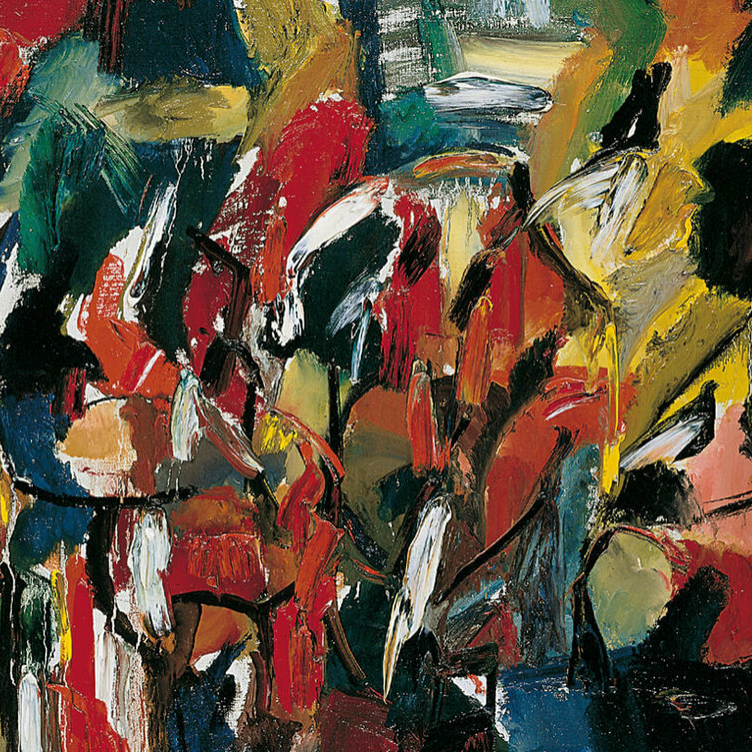 The Rule of Chance
Jean Paul Riopelle’s break with Automatism
By François-Marc Gagnon
The Rule of Chance
Jean Paul Riopelle’s break with Automatism
By François-Marc Gagnon
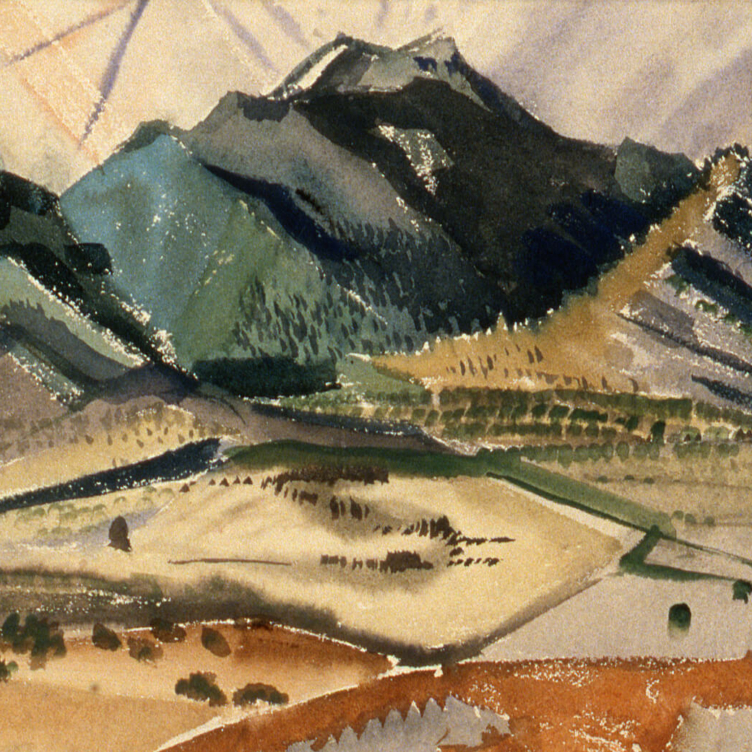 From Taos to New York
Agnes Martin and the currents of American Art
By Christopher Régimbal
From Taos to New York
Agnes Martin and the currents of American Art
By Christopher Régimbal
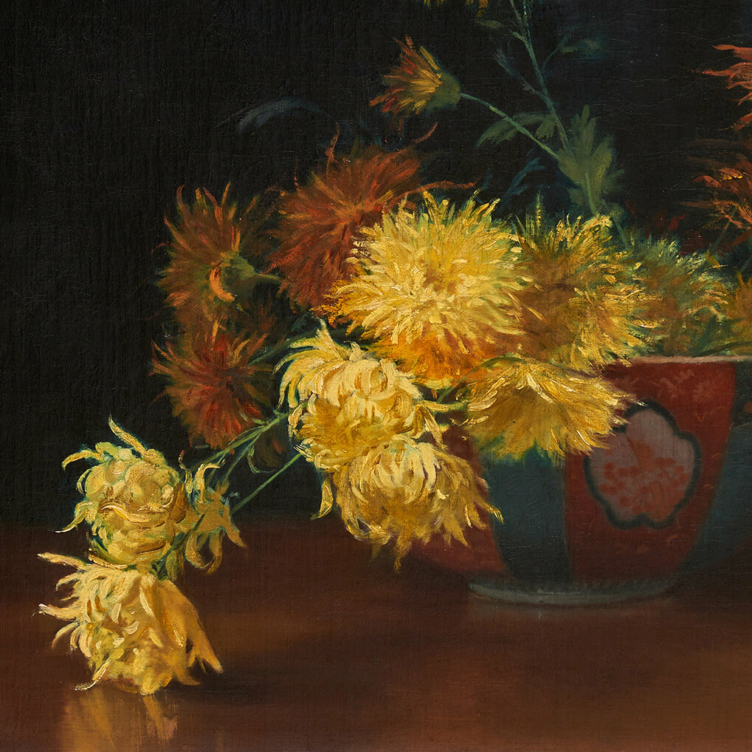 An Artist Blooms
Mary Hiester Reid’s floral aesthetics
By Andrea Terry
An Artist Blooms
Mary Hiester Reid’s floral aesthetics
By Andrea Terry
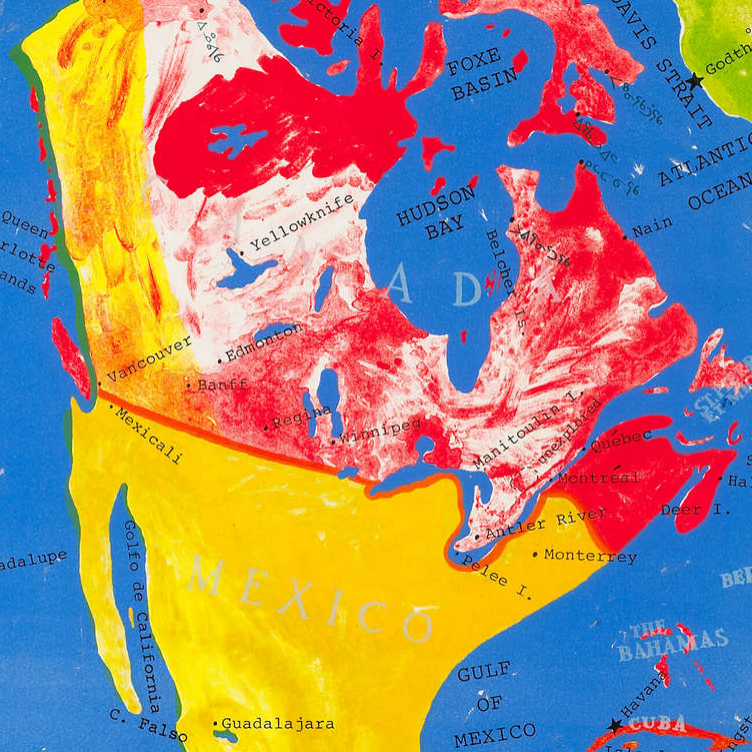 The Patriotic Painter
Greg Curnoe’s Canada
By Judith Rodger
The Patriotic Painter
Greg Curnoe’s Canada
By Judith Rodger
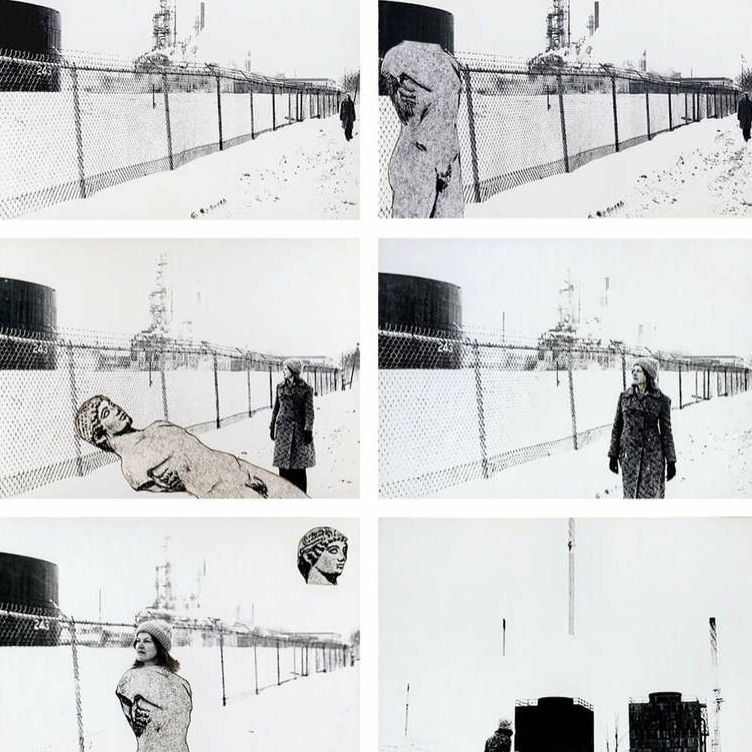 Walking, Stacking, Dancing
Françoise Sullivan’s conceptual 1970s
By Annie Gérin
Walking, Stacking, Dancing
Françoise Sullivan’s conceptual 1970s
By Annie Gérin
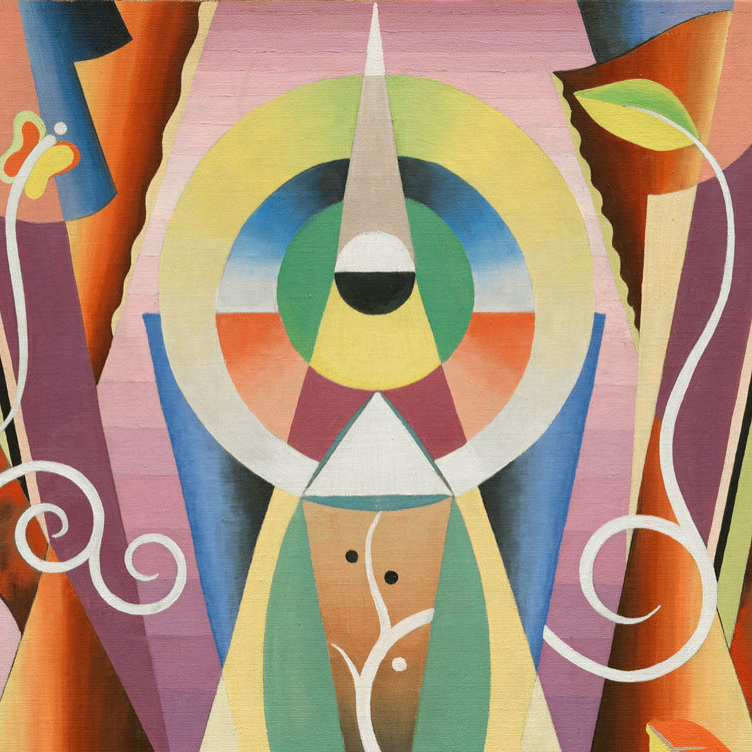 A Champion of Abstraction
Jock Macdonald sought a new expression in art
By Joyce Zemans
A Champion of Abstraction
Jock Macdonald sought a new expression in art
By Joyce Zemans
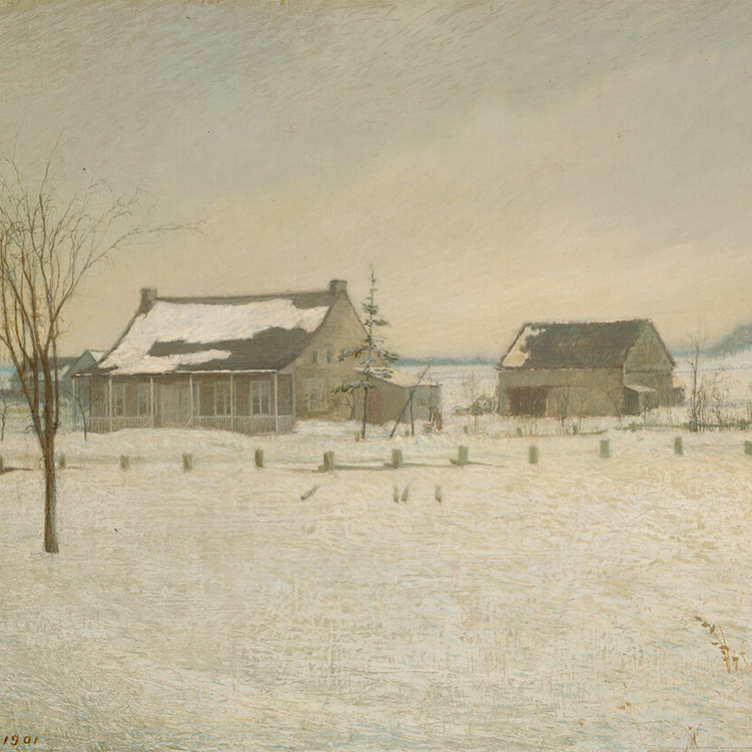 Defiant Spirit
Quebecois artist Ozias Leduc drew on Europe but created a Canadian ideal
By Laurier Lacroix
Defiant Spirit
Quebecois artist Ozias Leduc drew on Europe but created a Canadian ideal
By Laurier Lacroix