In 1985 artist, curator, writer, educator, and critic Robert Houle (b. 1947) encountered an installation by German artist Lothar Baumgarten (b. 1944) at the Art Gallery of Ontario (AGO), Toronto. It brought the issue of cultural appropriation to the fore. The AGO invited Baumgarten to produce a site-specific work for Walker Court as part of the exhibit The European Iceberg: Creativity in Germany and Italy Today. Baumgarten created Monument for the Native People of Ontario, 1984–85, meant to pay homage to eight nations of the province. Their names were printed in large roman type on the walls surrounding the court at the centre of the AGO.
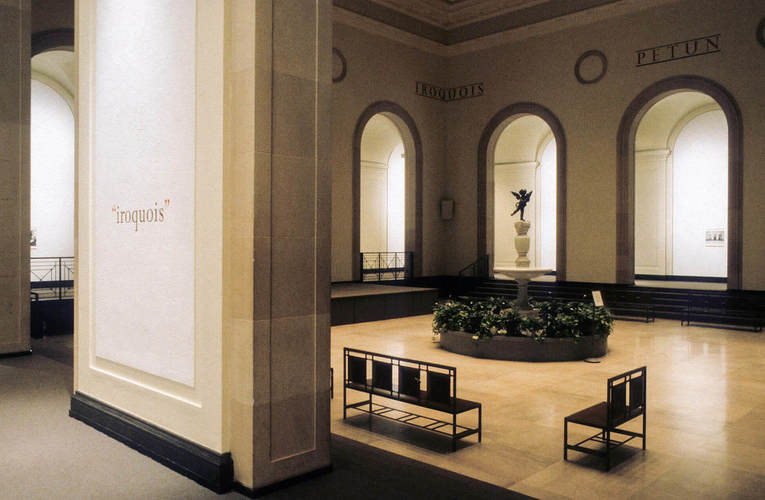
Site-specific installation at Walker Court, Art Gallery of Ontario, Toronto
Houle was jolted by the lack of research in documenting the names. Some were misspelled, and linguistic groups, regions, tribes, and bands were intermingled without distinction. Also disturbing was Baumgarten’s appropriation of the right to document the names. About the installation, Houle writes, “It is a beautiful work, styled as a tribute, but the human drama it presents is unfortunately simply a program of romantic twentieth century anthropology … a transgression of the spiritual integrity of those whose names he has written is to point out that their oral tradition was violated.”
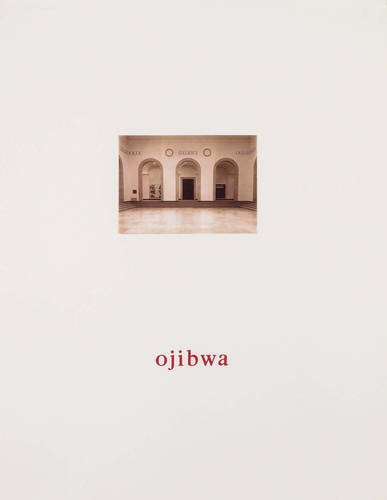
Collage, electrographic prints on wove paper, 43.5 x 35.5 cm, Art Gallery of Ontario, Toronto
When Houle responded to Baumgarten’s installation with Anishnabe Walker Court, 1993, he re-appropriated the German artist’s tribal names, placing them in quotation marks and re-inscribing them in lowercase on the outer wall surrounding Walker Court. Also featuring photographic documentation of the changes to Walker Court over the years, the work comments on the histories of change and memory and how museums such as the AGO, as colonial institutions, are prone to improper memorialization, as in the case of Baumgarten’s installation incorrectly displaying past images and icons of Ontario Native culture.
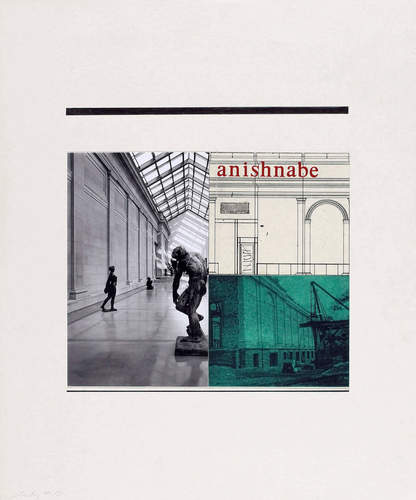
Gelatin silver print, photocopy, ink on coloured plastic sheet, vinyl self-adhesive letters, black porous point marker, graphite on paper, resin-coated photographic paper, and coloured transparent sheet, 43.2 x 35.7 cm, Art Gallery of Ontario, Toronto
Throughout his career Houle has created change in museums and public art galleries, initiating critical discussions about the history and representation of Indigenous peoples. His work has deepened the understanding of cultural appropriation in museums and art galleries, and in a broad spectrum of institutions and disciplines (for example, advertising) invested in maintaining false notions of Western and Indigenous cultures. Cultural appropriation typically refers to a power dynamic in which members of a dominant culture take elements from a culture of people who have been systematically oppressed. For Houle, cultural appropriation is about Western culture’s erasing and ignoring of Indigenous voices by misrepresenting its cultures.
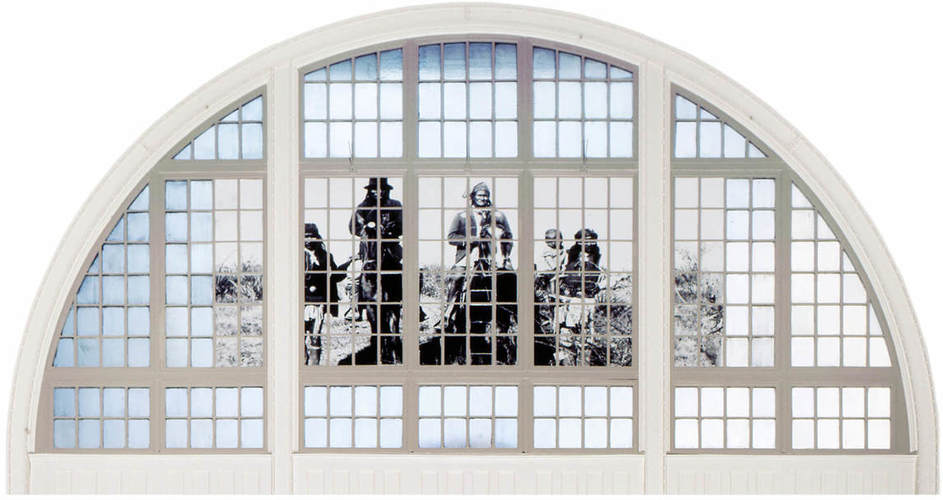
Four photo enlargements, site-specific installation at the VIA Rail train station in Winnipeg
Houle frequently selects words from archival documents, implements of war, and consumer goods to highlight how imagery from Indigenous cultures has been exploited for commercial or military enterprise. In the mid-1990s, Houle began to research the commodification of names of famous chiefs and tribes. These Apaches Are Not Helicopters, 1999, for instance, examines the appropriation of Indigenous names as commodities and emblems of war. A site-specific work installed in four half-moon windows at Winnipeg’s VIA Rail train station, the work presented an imaginary homecoming for Chief Geronimo (1829–1909) and his warrior Apaches. Geronimo was famous for resisting colonization and taking a stand against the U.S. government for almost twenty-five years. Houle strategically placed an enlarged archival photograph of Geronimo on the south window of the station, signalling the customary direction of the arrival of Apaches. The final image, on the east window, was of the McDonnell Douglas Apache helicopter.
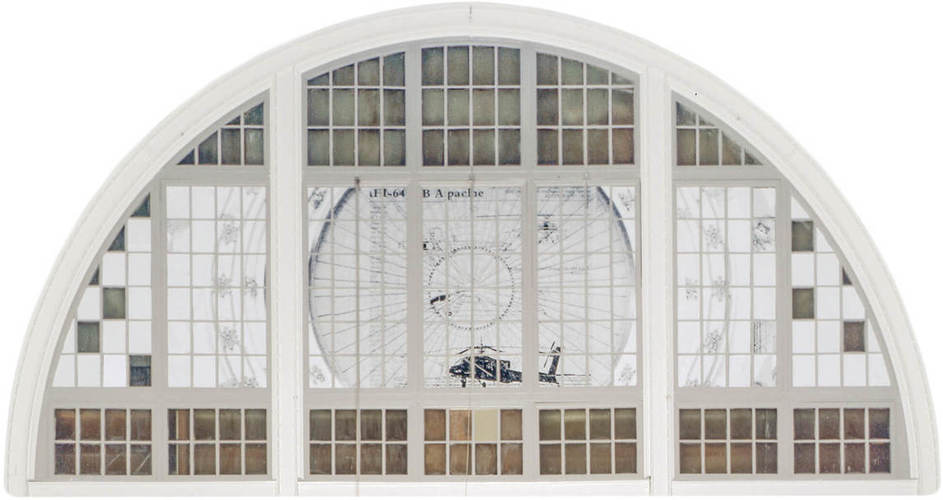
Four photo enlargements, site-specific installation at the VIA Rail train station in Winnipeg.
Running parallel to an entire history of incorrect cultural projections in paintings, photographs, and written accounts by Europeans in North America is a lack of First Nations’ representation in contemporary culture. Houle writes, “Exclusion from Western representation is deeply rooted in and even protected by a structure that authorizes and legitimizes certain representations while blocking, prohibiting or invalidating others.”
This Essay is excerpted from Robert Houle: Life & Work by Shirley Madill.
 Karen Tam’s Autumn Tigers
Bridging Past and Present: Invisible Made Visible
By Imogene L. Lim, PhD
Karen Tam’s Autumn Tigers
Bridging Past and Present: Invisible Made Visible
By Imogene L. Lim, PhD
 The Frontier Portraits of C.D. Hoy
A Chinese Canadian Photographer’s Tribute to His Community
By Faith Moosang
The Frontier Portraits of C.D. Hoy
A Chinese Canadian Photographer’s Tribute to His Community
By Faith Moosang
 Interrogating Identity
Suzy Lake explores the role of photography in shaping how we understand and see ourselves
By Erin Silver
Interrogating Identity
Suzy Lake explores the role of photography in shaping how we understand and see ourselves
By Erin Silver
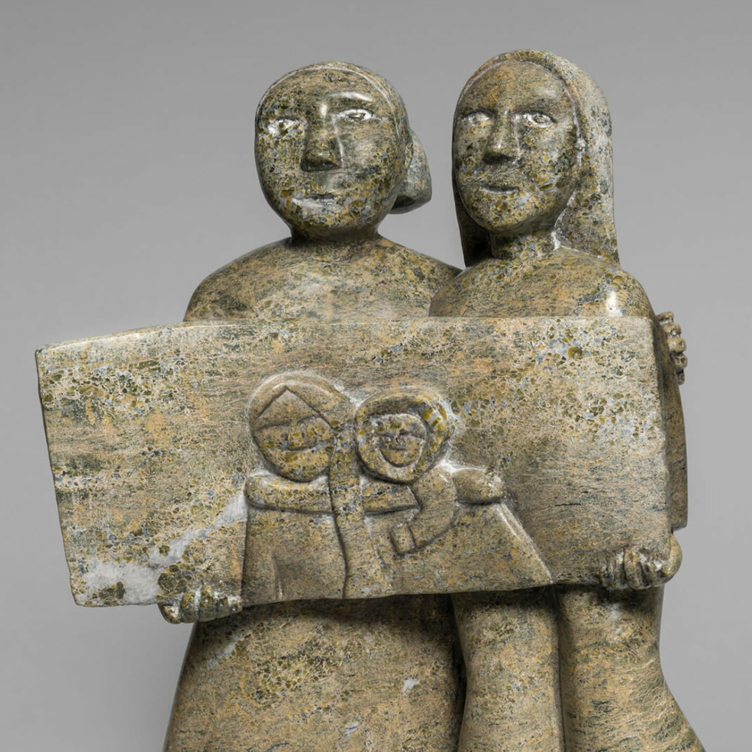 An Emboldened Artist
How Oviloo Tunnillie achieved rare international acclaim as an Inuit female sculptor
By Darlene Coward Wight
An Emboldened Artist
How Oviloo Tunnillie achieved rare international acclaim as an Inuit female sculptor
By Darlene Coward Wight
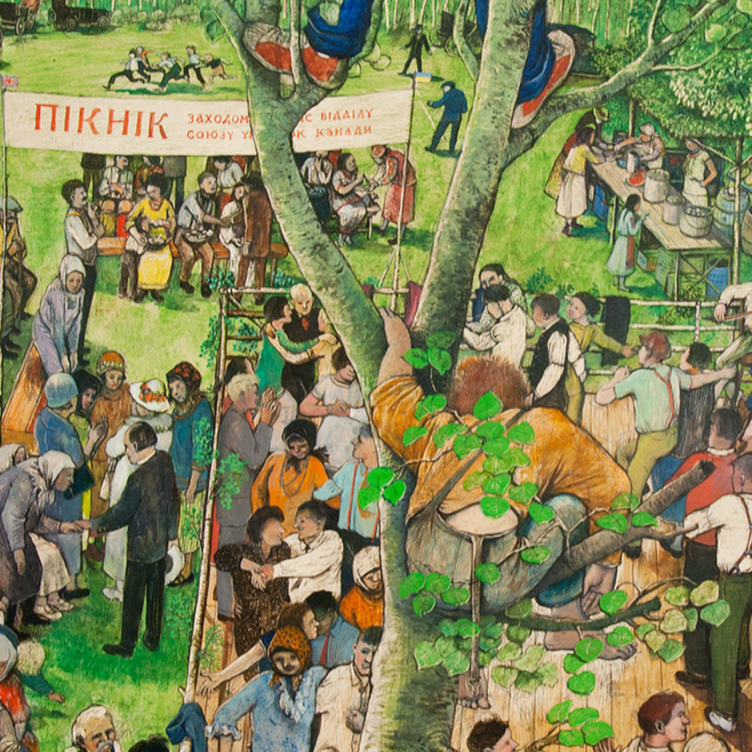 Painting the Cultural Mosaic
William Kurelek traversed the country in a quest to capture its diverse inhabitants
By Andrew Kear
Painting the Cultural Mosaic
William Kurelek traversed the country in a quest to capture its diverse inhabitants
By Andrew Kear
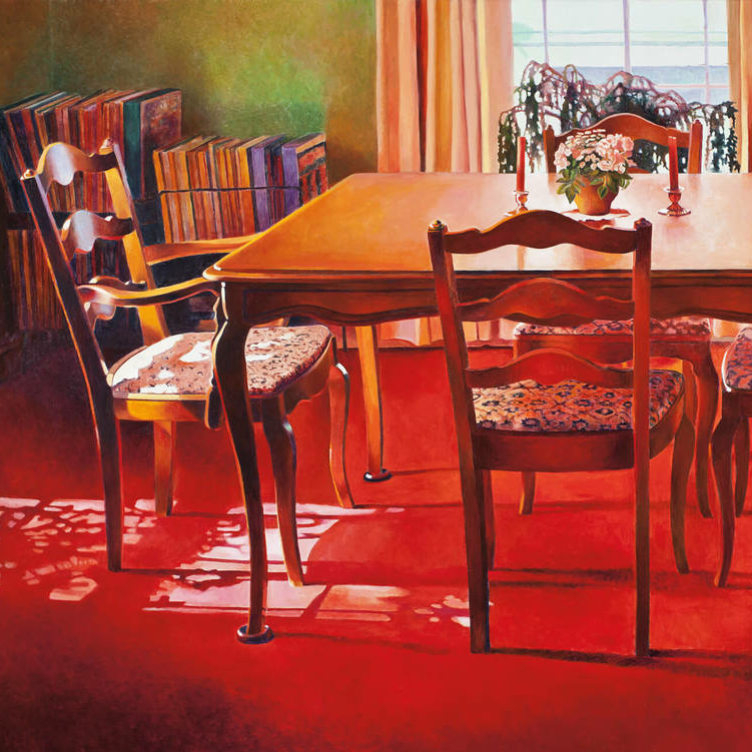 Domestic Discontent
Mary Pratt’s poetic scenes of home life are praised for their political edge
By Ray Cronin
Domestic Discontent
Mary Pratt’s poetic scenes of home life are praised for their political edge
By Ray Cronin
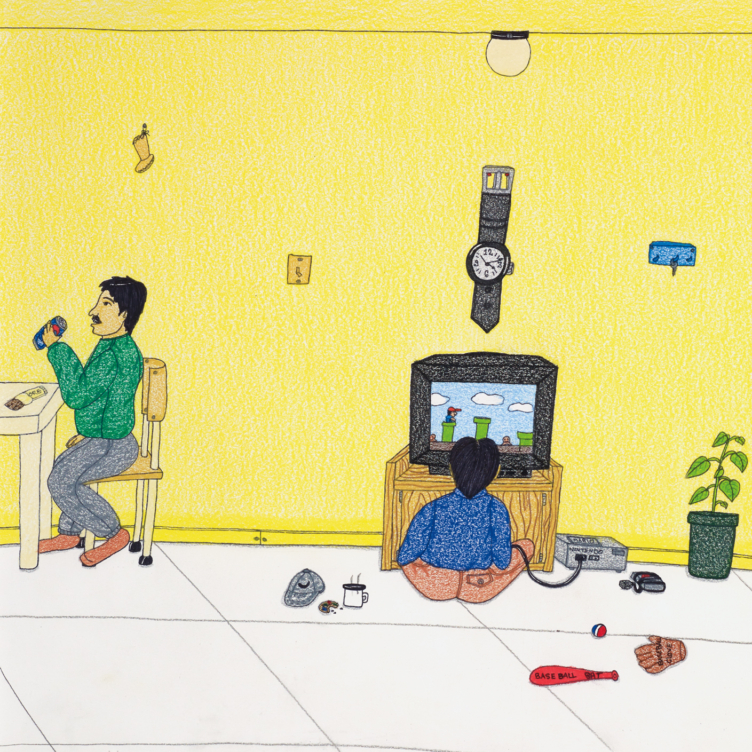 A New Vision of the North
Annie Pootoogook’s art offers unprecedented insights into the contemporary Arctic
By Nancy G. Campbell
A New Vision of the North
Annie Pootoogook’s art offers unprecedented insights into the contemporary Arctic
By Nancy G. Campbell
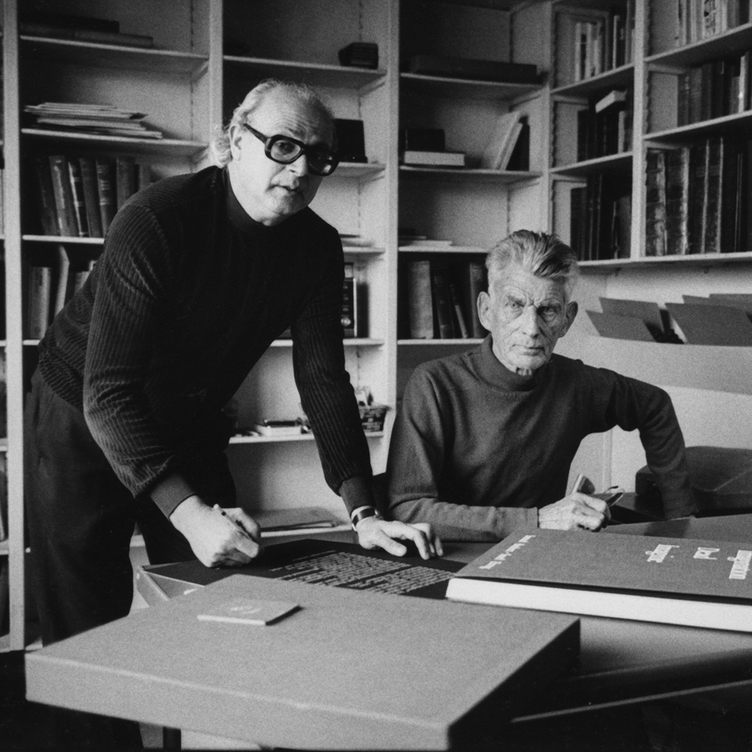 Meetings of Minds
Sorel Etrog found new ideas in collaborative work
By Alma Mikulinsky
Meetings of Minds
Sorel Etrog found new ideas in collaborative work
By Alma Mikulinsky
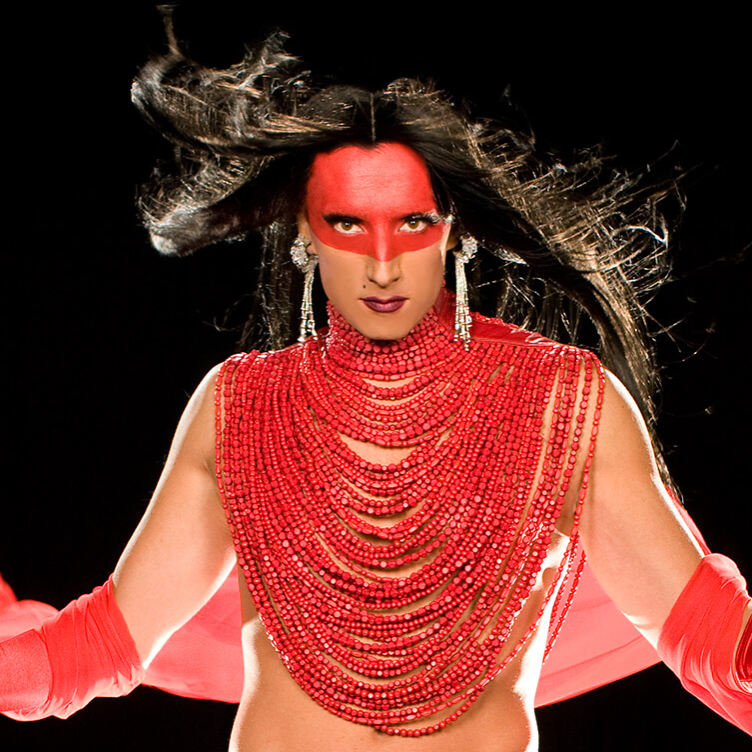 Introducing Miss Chief
An excerpt from the ACI’s book “Revision and Resistance”
By Shirley Madill
Introducing Miss Chief
An excerpt from the ACI’s book “Revision and Resistance”
By Shirley Madill
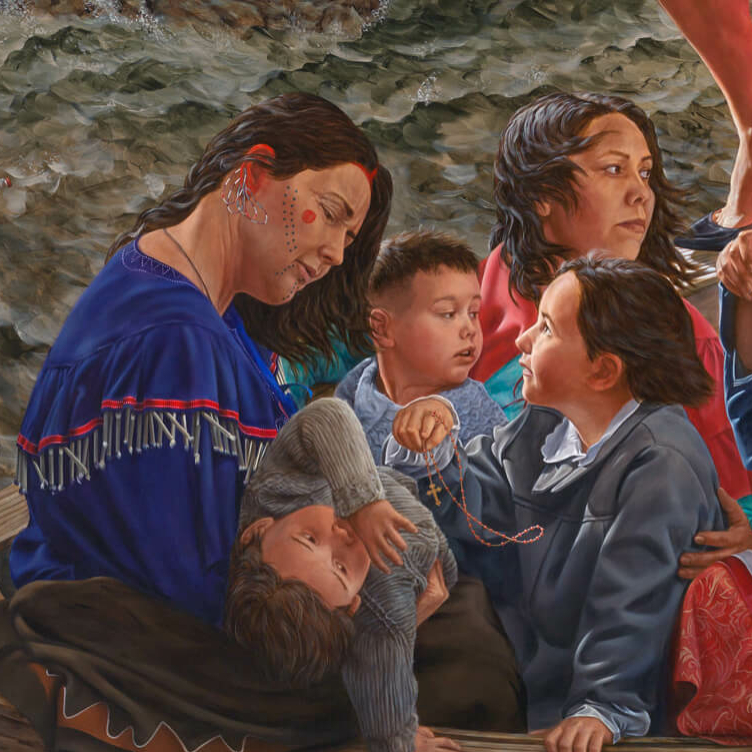 A Practice of Recovery
An excerpt from the ACI’s book “Revision and Resistance”
By Sasha Suda
A Practice of Recovery
An excerpt from the ACI’s book “Revision and Resistance”
By Sasha Suda
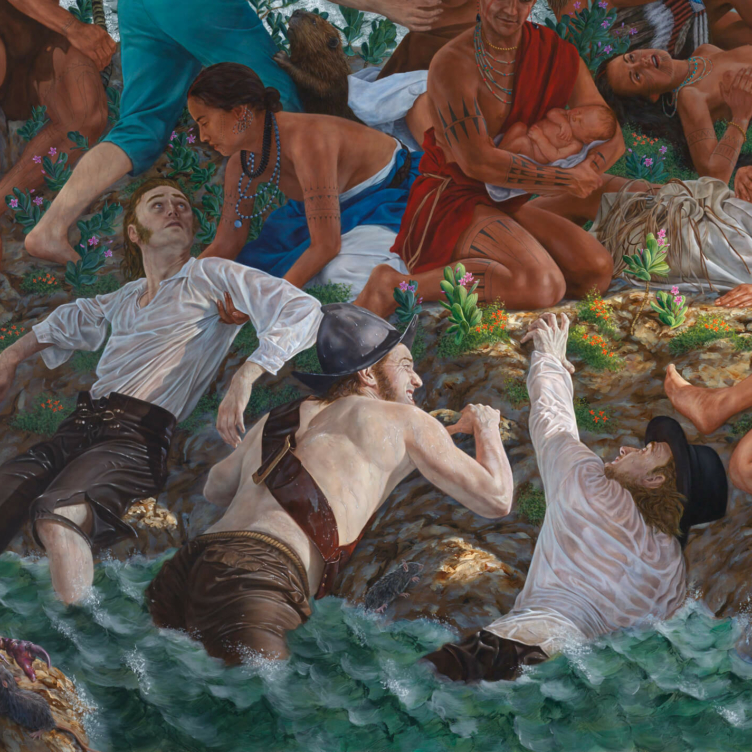 Decolonizing History Painting
An excerpt from the ACI’s book “Revision and Resistance”
By Ruth B. Phillips and Mark Salber Phillips
Decolonizing History Painting
An excerpt from the ACI’s book “Revision and Resistance”
By Ruth B. Phillips and Mark Salber Phillips
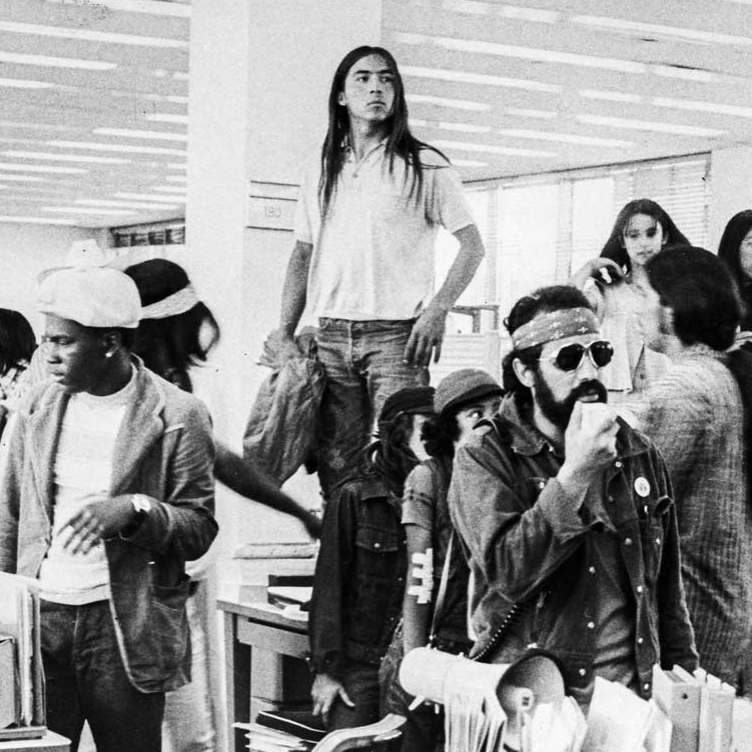 A Vision for the Future
An excerpt from the ACI’s book “Revision and Resistance”
By Nick Estes
A Vision for the Future
An excerpt from the ACI’s book “Revision and Resistance”
By Nick Estes
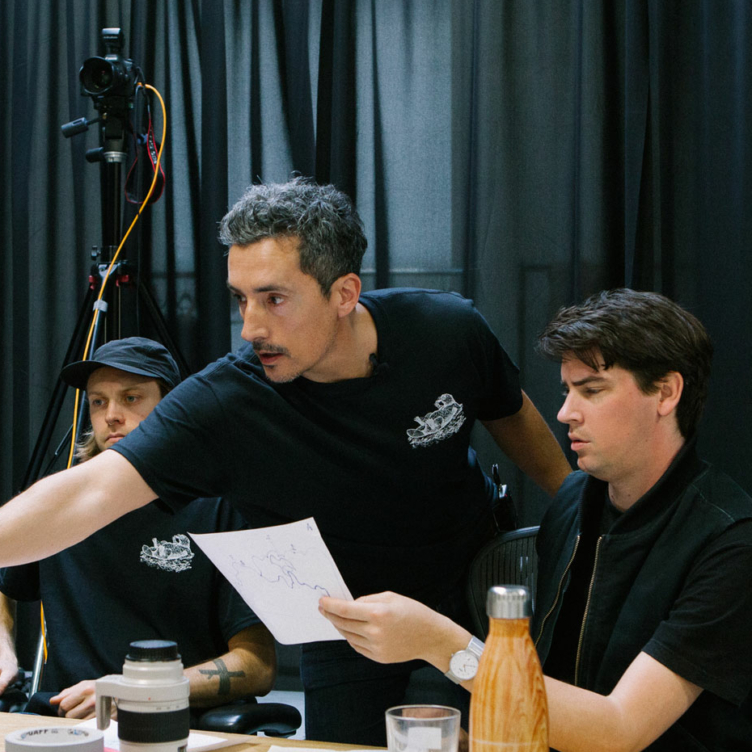 Inside Kent Monkman’s Studio
An excerpt from the ACI’s book “Revision and Resistance”
By Jami C. Powell
Inside Kent Monkman’s Studio
An excerpt from the ACI’s book “Revision and Resistance”
By Jami C. Powell
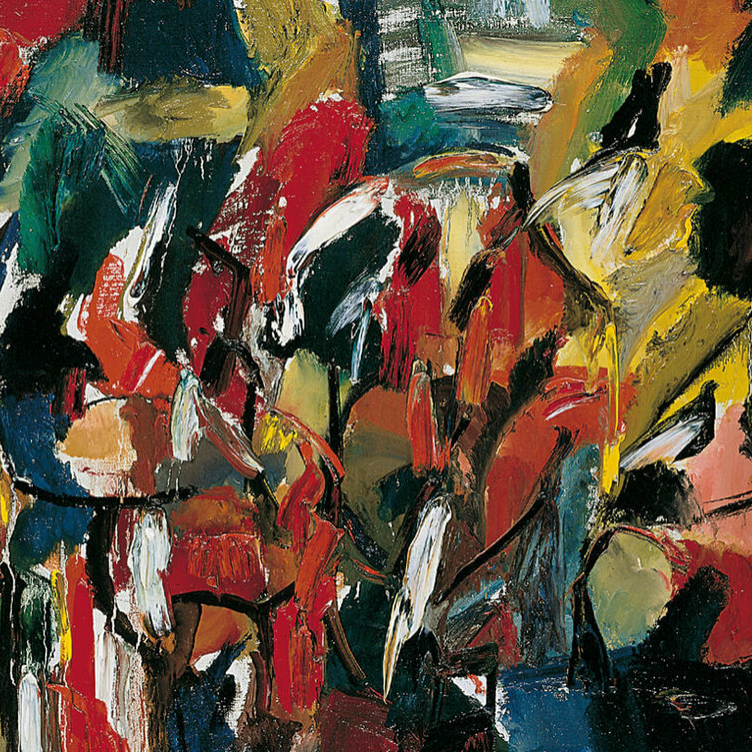 The Rule of Chance
Jean Paul Riopelle’s break with Automatism
By François-Marc Gagnon
The Rule of Chance
Jean Paul Riopelle’s break with Automatism
By François-Marc Gagnon
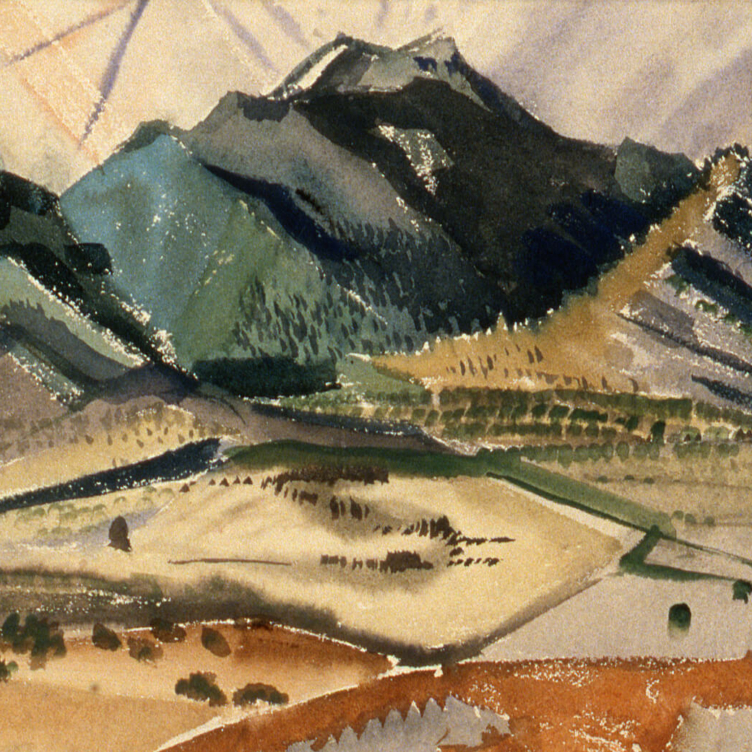 From Taos to New York
Agnes Martin and the currents of American Art
By Christopher Régimbal
From Taos to New York
Agnes Martin and the currents of American Art
By Christopher Régimbal
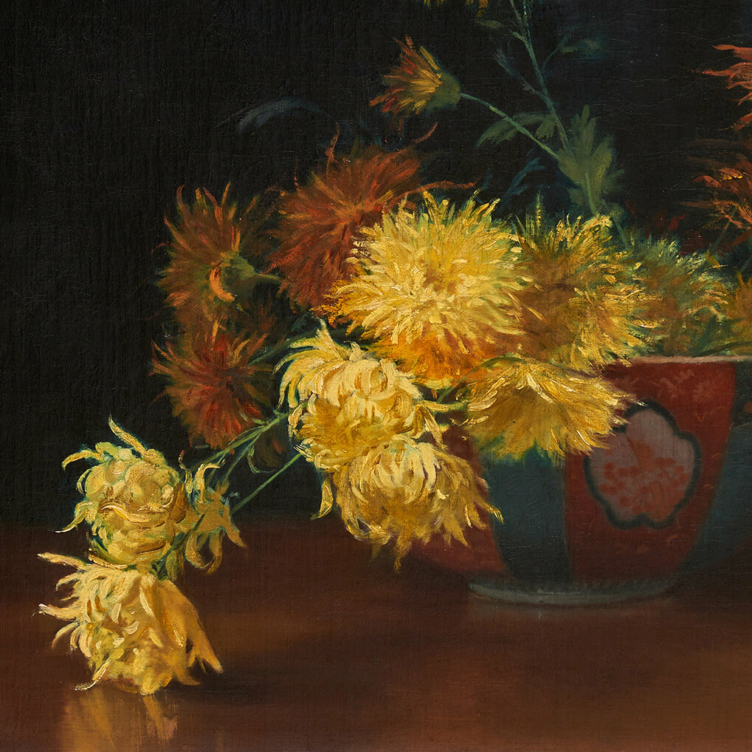 An Artist Blooms
Mary Hiester Reid’s floral aesthetics
By Andrea Terry
An Artist Blooms
Mary Hiester Reid’s floral aesthetics
By Andrea Terry
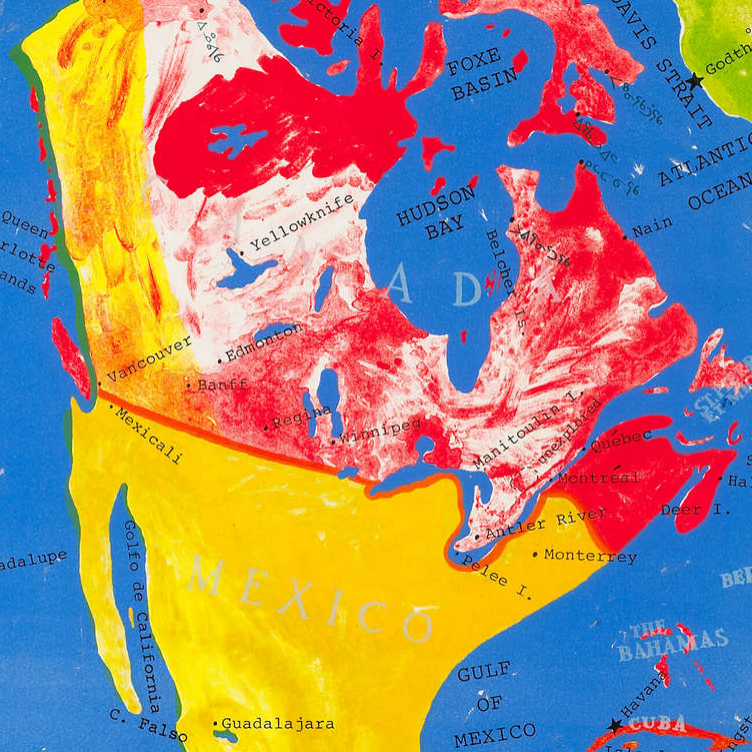 The Patriotic Painter
Greg Curnoe’s Canada
By Judith Rodger
The Patriotic Painter
Greg Curnoe’s Canada
By Judith Rodger
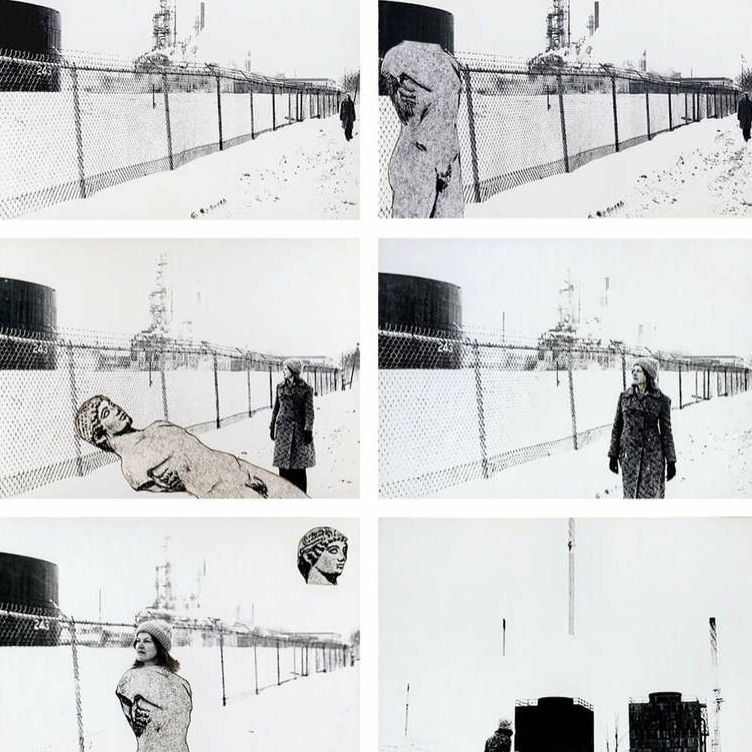 Walking, Stacking, Dancing
Françoise Sullivan’s conceptual 1970s
By Annie Gérin
Walking, Stacking, Dancing
Françoise Sullivan’s conceptual 1970s
By Annie Gérin
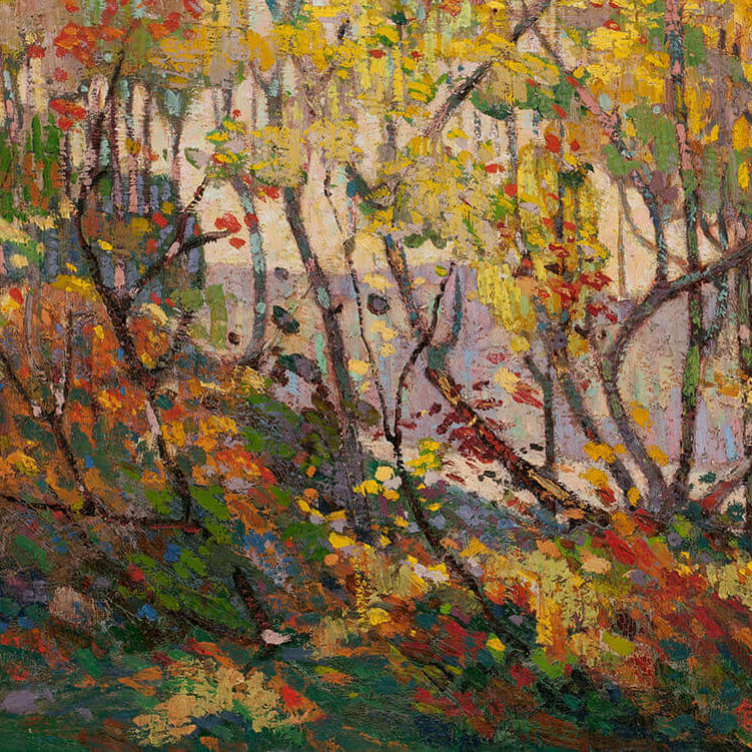 The Extraordinary North
Tom Thomson’s diary of landscape
By David P. Silcox
The Extraordinary North
Tom Thomson’s diary of landscape
By David P. Silcox
 A Champion of Abstraction
Jock Macdonald sought a new expression in art
By Joyce Zemans
A Champion of Abstraction
Jock Macdonald sought a new expression in art
By Joyce Zemans