The Quebecois painter Ozias Leduc (1864–1955), whose career spanned the nineteenth and early twentieth centuries, upheld the romantic belief that art was at the centre of life. This made him an original personality in Canada—his approach was decidedly unfashionable for his time. Nonetheless, Leduc became one of the country’s most important artists.
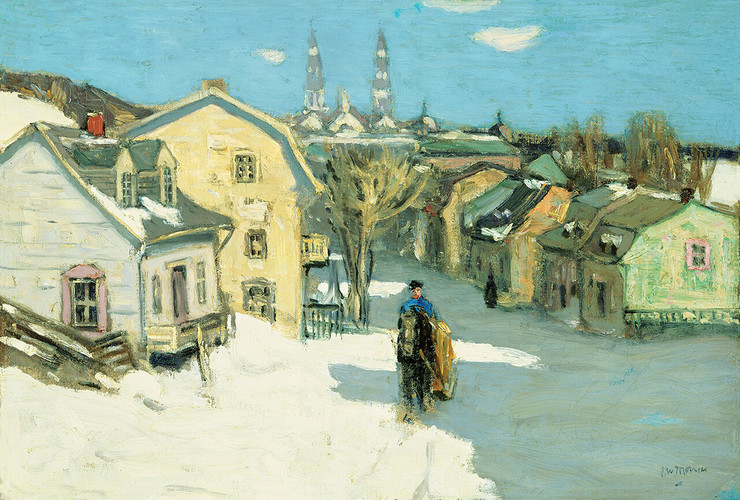
James Wilson Morrice, Saint-Anne de Beaupré, 1897
Oil on canvas, 44.4 x 64.3 cm, Montreal Museum of Fine Arts
In the 1890s, at the very moment that Leduc was achieving notoriety the Canadian art world was undergoing a process of transformation, becoming more consolidated after the emergence of institutions that gave it greater visibility and confirmed the professional status of artists. The existence of The Royal Canadian Academy of Arts (1880) and other artists’ associations, the founding of the Art Association of Montreal (1860), the inauguration of art schools offering ambitious programs, and the establishment of important galleries indicated that an appreciative public was growing, along with an increasingly serious art market. Leduc would receive important commissions as a result, such as his Portrait of the Honourable Louis-Philippe Brodeur (Portrait de l’honorable Louis-Philippe Brodeur), 1901–4, the Speaker of the House of Commons.
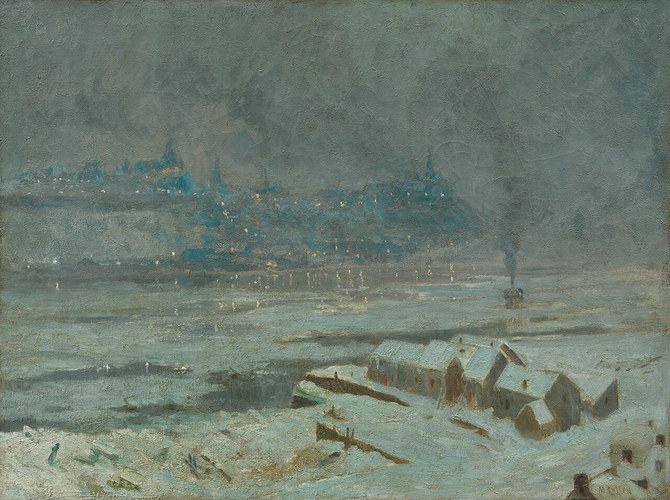
Maurice Cullen, Winter Evening, Québec, c.1905
Oil on canvas, 76.2 x 101.9 cm, National Gallery of Canada, Ottawa
Yet in the same period, foreign and new-immigrant artists—particularly those whose works were collected by or exhibited at the Art Association of Montreal (most of them British or Dutch) or shown in galleries—still produced much of the art in circulation. By the start of the 1890s, however, a new generation of Canadian artists appeared. These were painters who had received their initial training in Canada and had gone on to study in Europe, principally in France. James Wilson Morrice (1865–1924), Maurice Cullen (1866–1934), and Marc-Aurèle de Foy Suzor-Coté (1869–1937) were perhaps the best known of this group. Although they did not participate directly in any of the movements that shook the art world, they retained some of the elements, and brought Impressionism, Symbolism, and Art Nouveau with them when they returned to Canada.
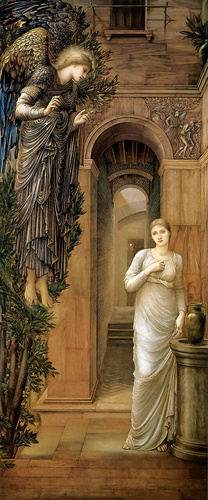
Edward Burne-Jones, The Annunciation, 1876–79
Oil on canvas, 250 x 104.5 cm, Lady Lever Art Gallery, Bebington, United Kingdom
Leduc was acquainted with these new artistic currents, thanks to the periodicals to which he subscribed and to his sojourn in France in 1897. Allusions to the Pre-Raphaelites (for example, Edward Burne-Jones [1833–1898]), to Art Nouveau (in the decor Leduc painted for the church in his hometown of Saint-Hilaire), and a marked interest in Symbolism can all be found in his paintings. At first, he adopted a simple definition of Symbolism, one which attributed meaning to specific colours and subjects. However, his interest did not stop there, and in the tempered spirit of the fin de siècle movement—Leduc never fell into decadentism or art for art’s sake—he rendered an ideal world where meaning lay hidden behind appearances and could be conveyed only by suggestion or metaphor. Form and content were intimately linked, and the work achieved its allusive purpose through their organization.
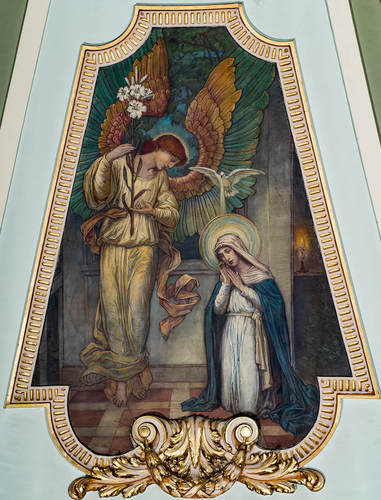
Ozias Leduc, The Annunciation (L’Annonciation), 1916
Oil on canvas, Church of Saint-Enfant-Jésus, Mile End, Montreal
Not many Canadian artists followed this path. Some, such as Cullen and Suzor-Coté, were more drawn to exploring the influences of Impressionism, and others, including Joseph-Charles Franchère (1866–1921), Joseph Saint-Charles (1868–1956), and Edmond-Joseph Massicotte (1875–1929), pursued a more academic style that could be turned to the service of a patriotic or national cause. However, like his friend Guy Delahaye and the Montreal poet Émile Nelligan, who were equally devoted to this aesthetic, Leduc would dedicate the rest of his life to his ideal, sustained by his attachment to Saint-Hilaire, which continued to nourish his imagination. He did not render the world in which he lived in a realist or documentary manner, but rather by an artistic practice dedicated to analysis, meditation, and contemplation, which is a unique contribution to Canadian culture.
![Ozias Leduc, Soft Snow (also called Snowbank) (Neige douce [aussi appelé Banc de neige]), c.1927–53](/wp-content/uploads/2020/10/the-essay_45_ozias-leduc-soft-snow-contextual-article-image.jpg)
Ozias Leduc, Soft Snow (also called Snowbank) (Neige douce [aussi appelé Banc de neige]), c.1927–53
Charcoal and pastel on paper, 20 x 15.9 cm, Musée national des beaux-arts du Québec, Quebec City
This Essay is excerpted from Ozias Leduc: Life & Work by Laurier Lacroix.
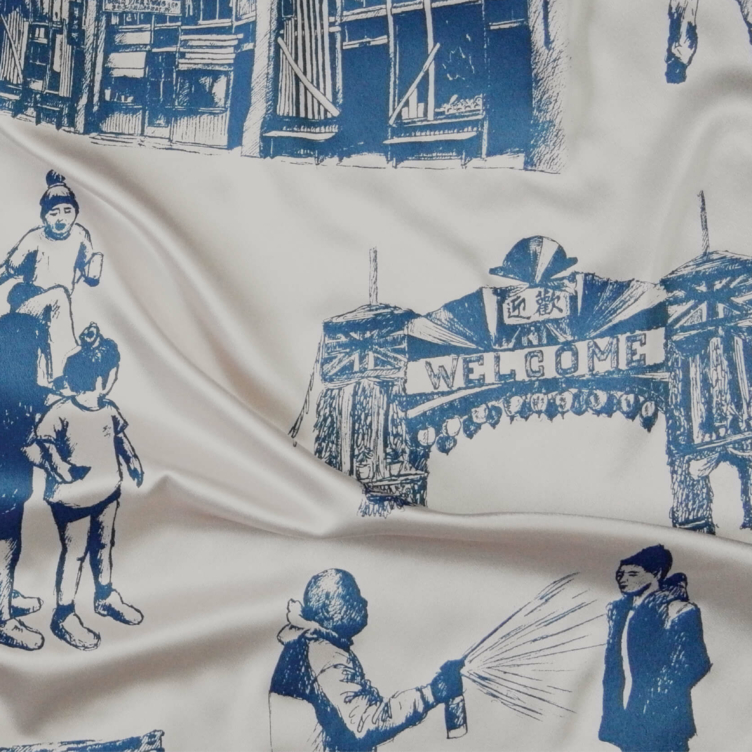 Karen Tam’s Autumn Tigers
Bridging Past and Present: Invisible Made Visible
By Imogene L. Lim, PhD
Karen Tam’s Autumn Tigers
Bridging Past and Present: Invisible Made Visible
By Imogene L. Lim, PhD
 The Frontier Portraits of C.D. Hoy
A Chinese Canadian Photographer’s Tribute to His Community
By Faith Moosang
The Frontier Portraits of C.D. Hoy
A Chinese Canadian Photographer’s Tribute to His Community
By Faith Moosang
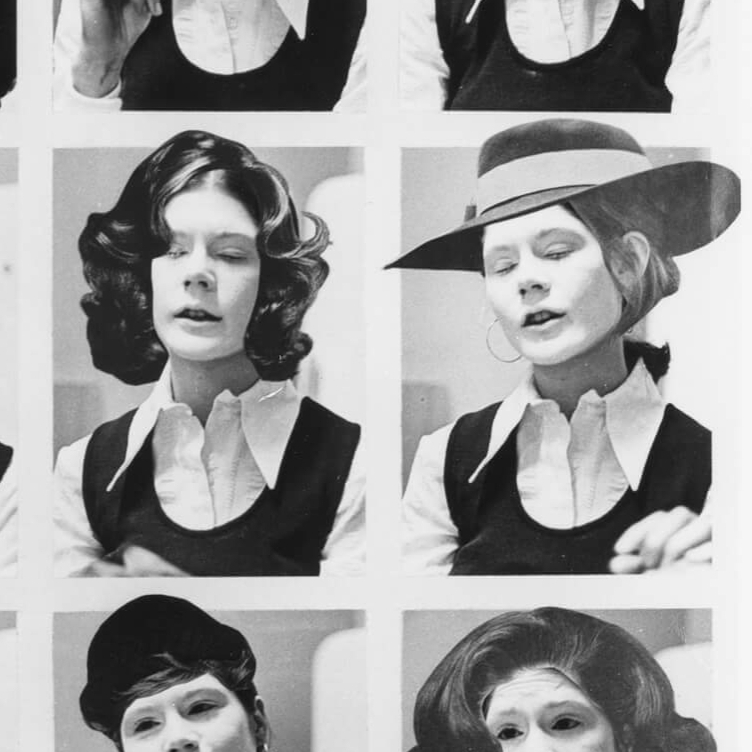 Interrogating Identity
Suzy Lake explores the role of photography in shaping how we understand and see ourselves
By Erin Silver
Interrogating Identity
Suzy Lake explores the role of photography in shaping how we understand and see ourselves
By Erin Silver
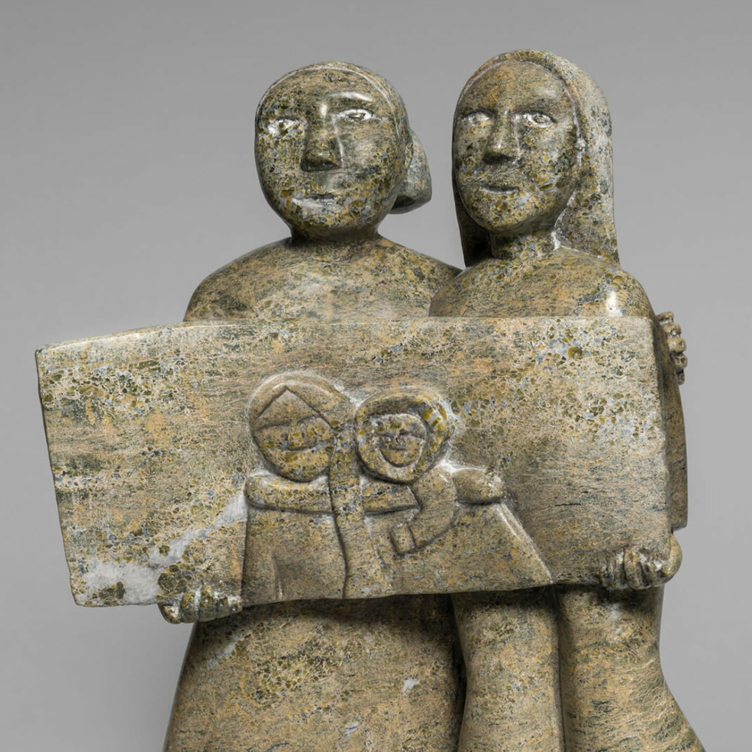 An Emboldened Artist
How Oviloo Tunnillie achieved rare international acclaim as an Inuit female sculptor
By Darlene Coward Wight
An Emboldened Artist
How Oviloo Tunnillie achieved rare international acclaim as an Inuit female sculptor
By Darlene Coward Wight
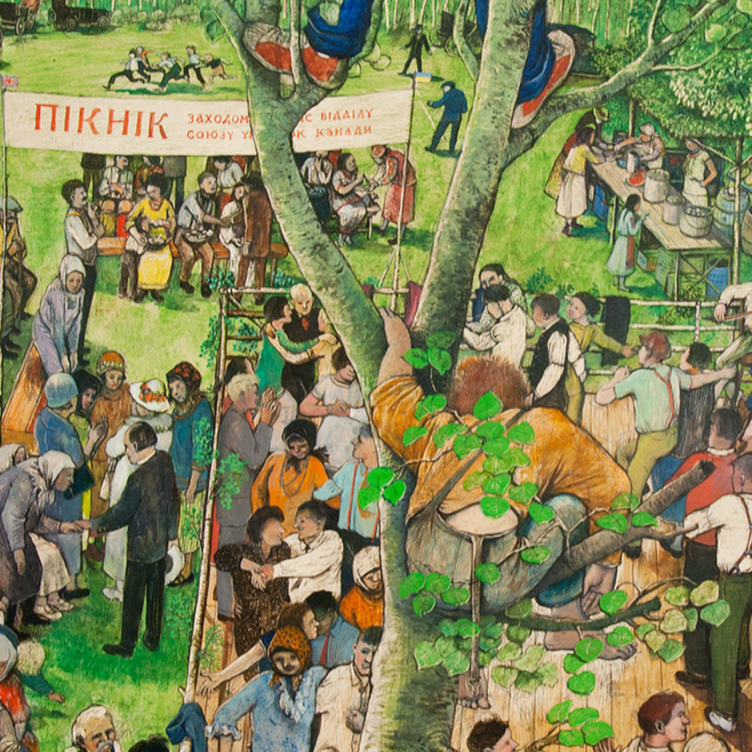 Painting the Cultural Mosaic
William Kurelek traversed the country in a quest to capture its diverse inhabitants
By Andrew Kear
Painting the Cultural Mosaic
William Kurelek traversed the country in a quest to capture its diverse inhabitants
By Andrew Kear
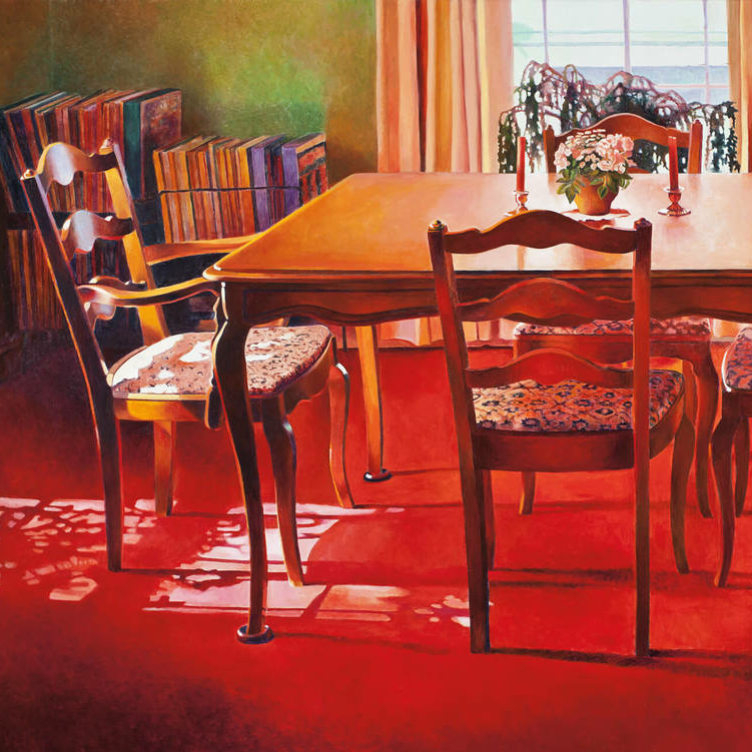 Domestic Discontent
Mary Pratt’s poetic scenes of home life are praised for their political edge
By Ray Cronin
Domestic Discontent
Mary Pratt’s poetic scenes of home life are praised for their political edge
By Ray Cronin
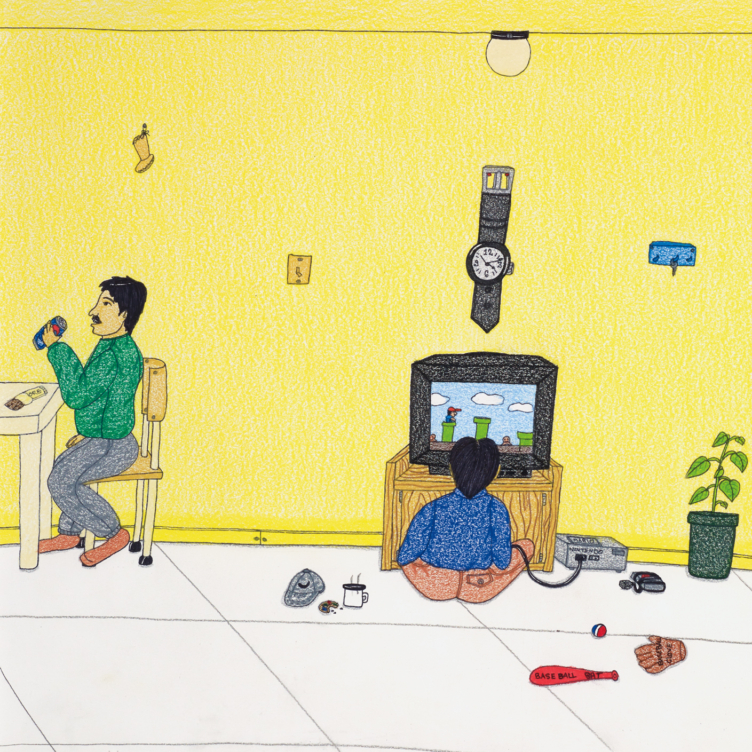 A New Vision of the North
Annie Pootoogook’s art offers unprecedented insights into the contemporary Arctic
By Nancy G. Campbell
A New Vision of the North
Annie Pootoogook’s art offers unprecedented insights into the contemporary Arctic
By Nancy G. Campbell
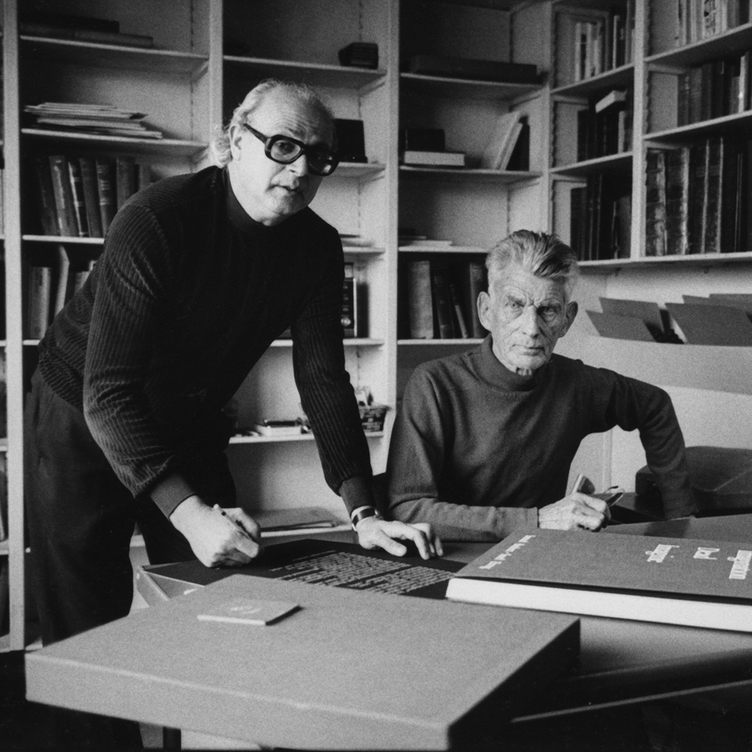 Meetings of Minds
Sorel Etrog found new ideas in collaborative work
By Alma Mikulinsky
Meetings of Minds
Sorel Etrog found new ideas in collaborative work
By Alma Mikulinsky
 Introducing Miss Chief
An excerpt from the ACI’s book “Revision and Resistance”
By Shirley Madill
Introducing Miss Chief
An excerpt from the ACI’s book “Revision and Resistance”
By Shirley Madill
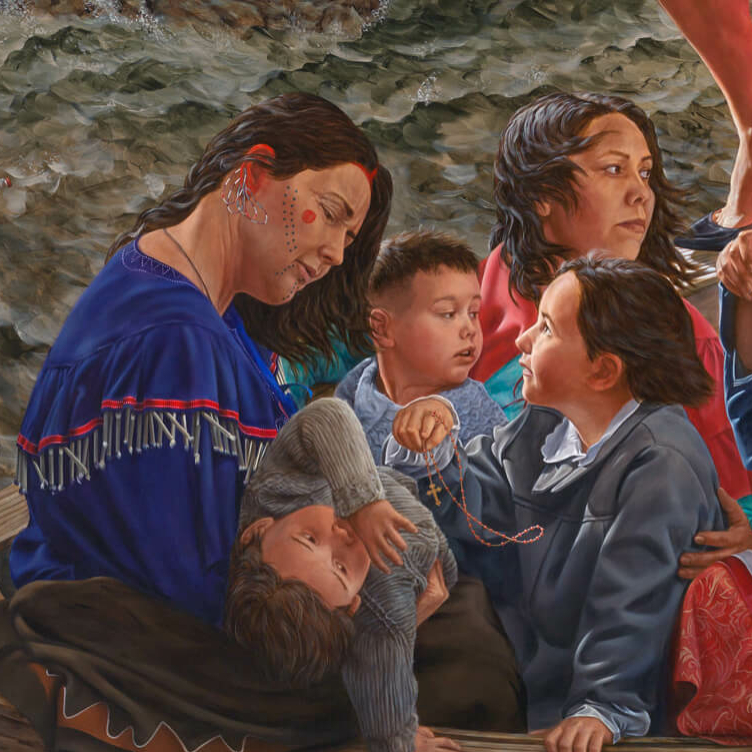 A Practice of Recovery
An excerpt from the ACI’s book “Revision and Resistance”
By Sasha Suda
A Practice of Recovery
An excerpt from the ACI’s book “Revision and Resistance”
By Sasha Suda
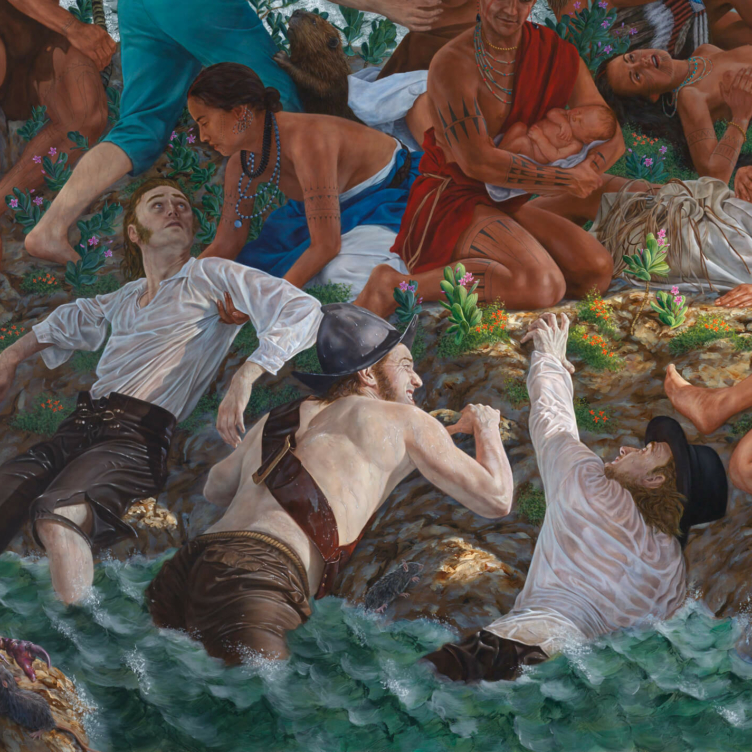 Decolonizing History Painting
An excerpt from the ACI’s book “Revision and Resistance”
By Ruth B. Phillips and Mark Salber Phillips
Decolonizing History Painting
An excerpt from the ACI’s book “Revision and Resistance”
By Ruth B. Phillips and Mark Salber Phillips
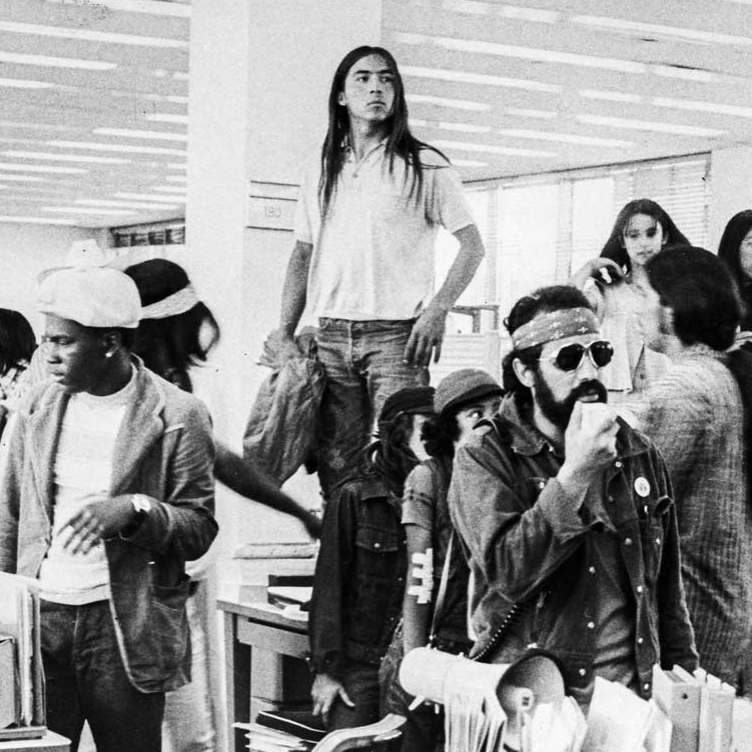 A Vision for the Future
An excerpt from the ACI’s book “Revision and Resistance”
By Nick Estes
A Vision for the Future
An excerpt from the ACI’s book “Revision and Resistance”
By Nick Estes
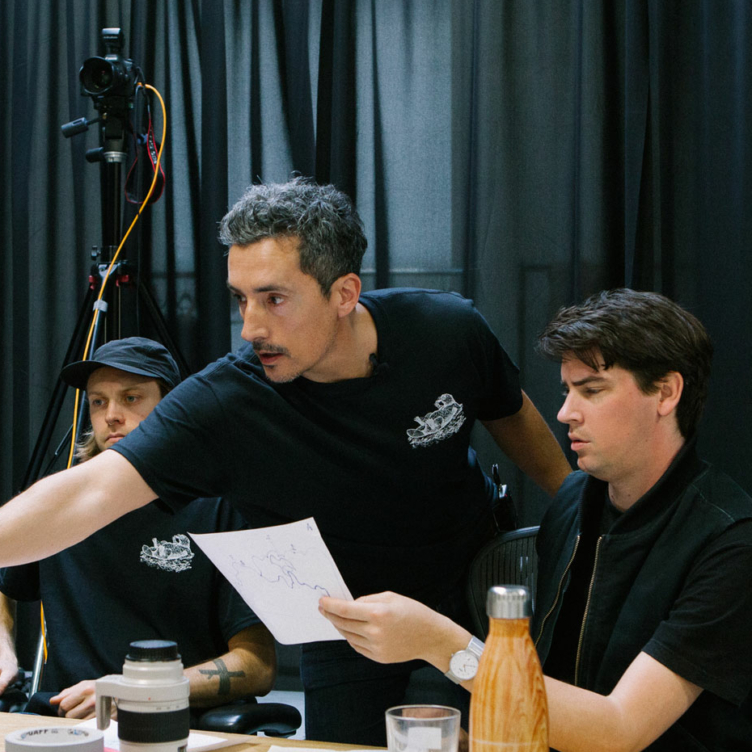 Inside Kent Monkman’s Studio
An excerpt from the ACI’s book “Revision and Resistance”
By Jami C. Powell
Inside Kent Monkman’s Studio
An excerpt from the ACI’s book “Revision and Resistance”
By Jami C. Powell
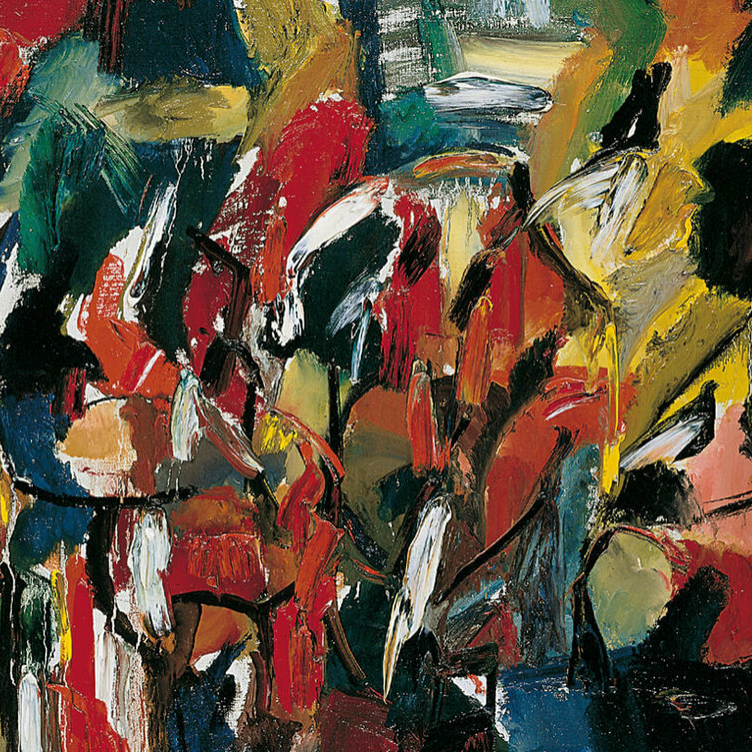 The Rule of Chance
Jean Paul Riopelle’s break with Automatism
By François-Marc Gagnon
The Rule of Chance
Jean Paul Riopelle’s break with Automatism
By François-Marc Gagnon
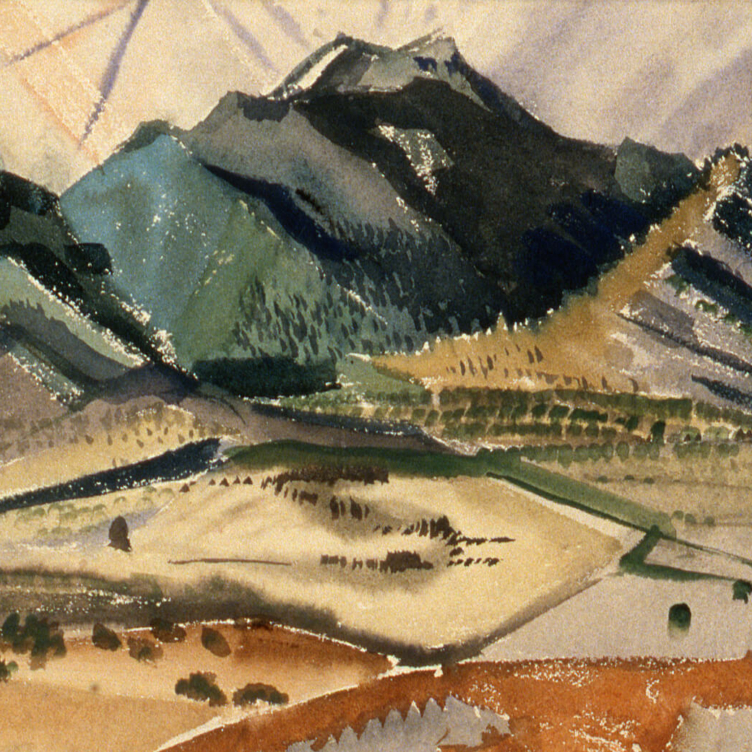 From Taos to New York
Agnes Martin and the currents of American Art
By Christopher Régimbal
From Taos to New York
Agnes Martin and the currents of American Art
By Christopher Régimbal
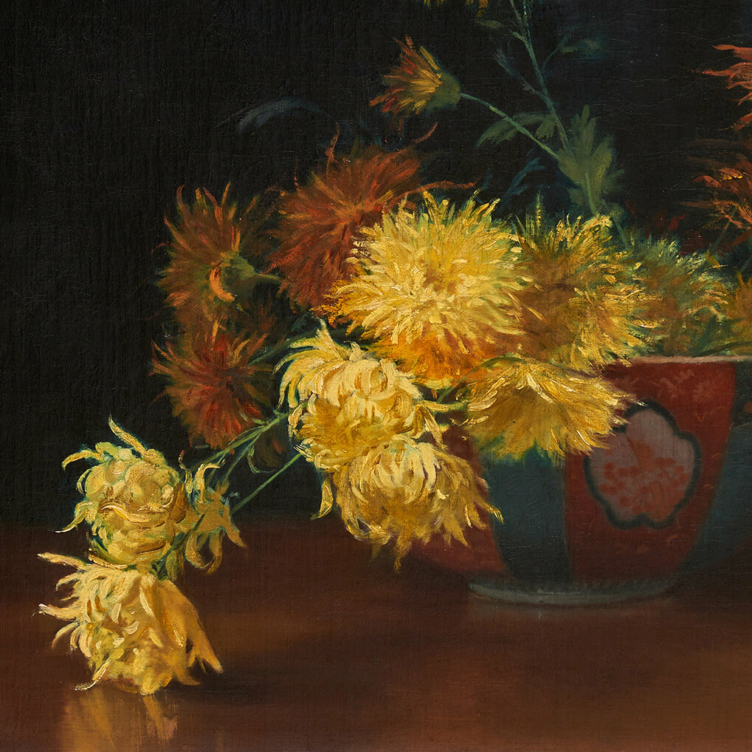 An Artist Blooms
Mary Hiester Reid’s floral aesthetics
By Andrea Terry
An Artist Blooms
Mary Hiester Reid’s floral aesthetics
By Andrea Terry
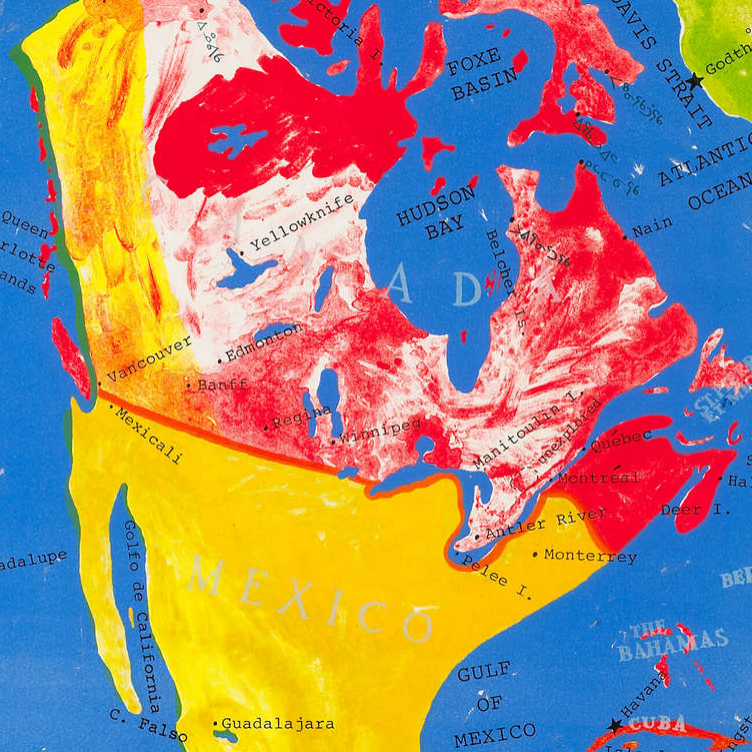 The Patriotic Painter
Greg Curnoe’s Canada
By Judith Rodger
The Patriotic Painter
Greg Curnoe’s Canada
By Judith Rodger
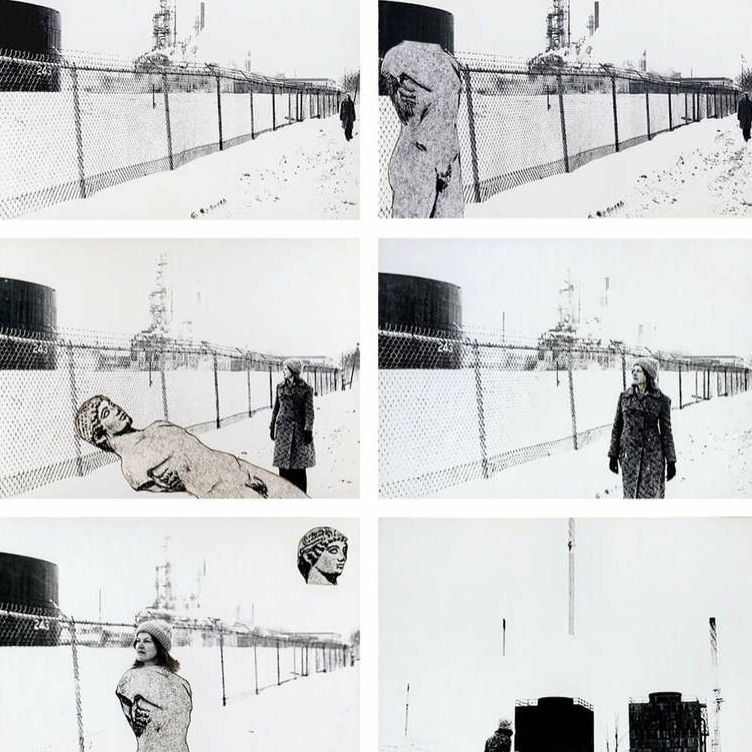 Walking, Stacking, Dancing
Françoise Sullivan’s conceptual 1970s
By Annie Gérin
Walking, Stacking, Dancing
Françoise Sullivan’s conceptual 1970s
By Annie Gérin
 The Extraordinary North
Tom Thomson’s diary of landscape
By David P. Silcox
The Extraordinary North
Tom Thomson’s diary of landscape
By David P. Silcox
 A Champion of Abstraction
Jock Macdonald sought a new expression in art
By Joyce Zemans
A Champion of Abstraction
Jock Macdonald sought a new expression in art
By Joyce Zemans