In the spring of 1949, the anglophone Montreal painter Paterson Ewen (1925–2002) attended a talk where he met Françoise Sullivan (b. 1923), a painter, dancer, and member of the Automatistes, a group of avant-garde Québécois artists. Ewen was completely taken by Sullivan, and she by him. Soon she introduced him to other Automatistes.
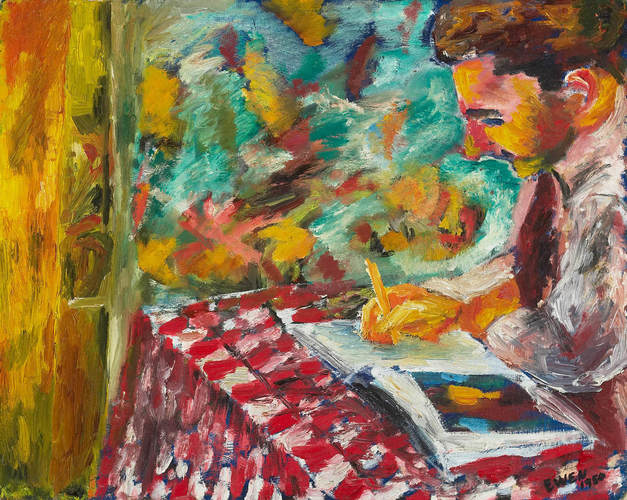
Paterson Ewen, Portrait of Poet (Rémi-Paul Forgues), 1950
Oil on canvas board, 40.6 x 50.8 cm, Art Gallery of Ontario, Toronto
Inspired by the European Surrealist movement, they had released the Refus global in 1948. The manifesto advocated freedom by using the subconscious as a tool of liberation against the oppression of the Roman Catholic Church and the traditionalist conservative politics of Quebec premier Maurice Duplessis. The latter had dominated the political landscape from 1936 to 1959, a period referred to as La Grande Noirceur (The Great Darkness). Artistically, the Automatistes sought to develop an abstract language of the subconscious that avoided the perceived ineffectiveness of figurative analogy, just as the Abstract Expressionists were attempting to do in the United States.
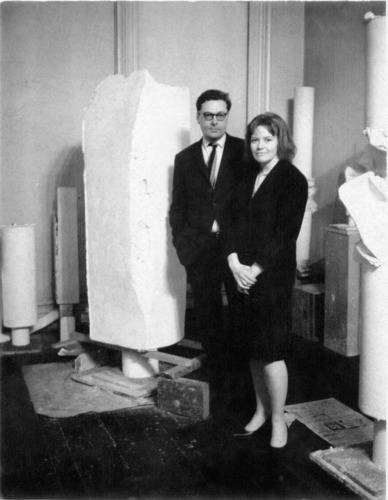
Paterson Ewen and Françoise Sullivan in New York, 1957
Photographer unknown, Dance Collection Danse Archive, Toronto
The Automatistes had a profound impact on Ewen, who explained, “I integrated into the French side without completely losing the English side. [. . .] I would sit without taking part in the conversation all that much, but of course it was very enriching.” As can be seen in Portrait of Poet (Rémi-Paul Forgues), 1950, the influence of the Automatistes on Ewen’s work is not obvious at first; his work remains figurative. However, stylistically his brushwork becomes far looser, to the point that one strains at times to identify specific objects in a scene, and he begins to experiment with colour combinations and contrasts that recall those in the abstract paintings of the French Canadian artists. The Automatistes recognized this affinity, writing favourably about Ewen’s figurative paintings and inviting him to exhibit with them.
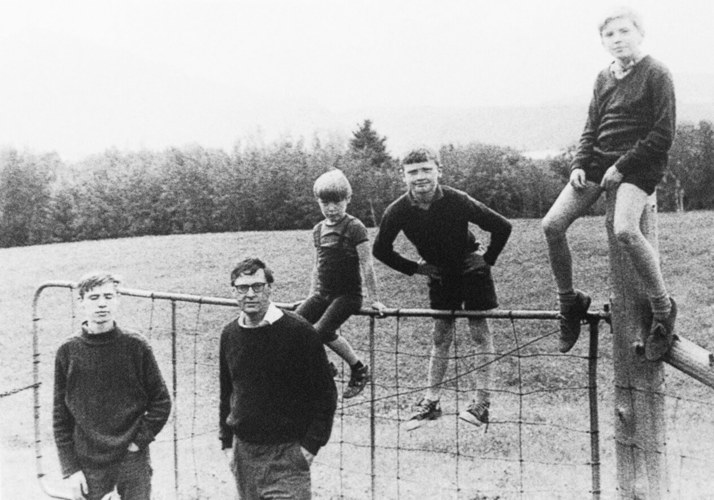
Paterson Ewen with his sons, c.mid-1960s
Photograph by Françoise Sullivan
By the fall of 1949 Sullivan was pregnant, and she and Ewen married in December. The following year, the Montreal Museum of Fine Arts chose two of Ewen’s works for its 67th Annual Spring Exhibition, held in March. The jury, however, rejected all of the Automatistes’ submissions, except one by Paul-Émile Borduas (1905–1960). The group countered with its own show, L’Exposition des Rebelles, which included a couple of Ewen’s landscapes. Borduas and Ewen were the only artists represented in both exhibitions, and these were the first public showings of Ewen’s art.
Ewen painted his first abstract work near the end of 1954. His involvement with the Automatistes certainly contributed to his move away from the figurative, though he could never paint as spontaneously as they did since he always needed structure to form his images. Nor could he fully embrace the hard-edged geometric canvases of the Plasticien painters, led by Guido Molinari (1933–2004).
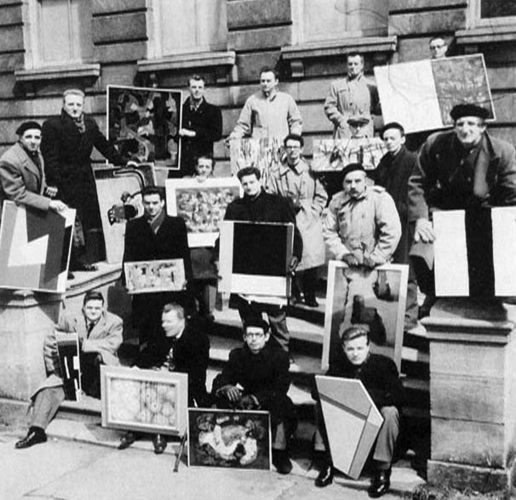
Eighteen members of the Non-Figurative Artists’ Association of Montréal (NFAAM)
From left, starting lower left: L. Belzile, G. Webber, L. Bellefleur, F. Toupin, F. Leduc, A. Jasmi, C. Tousignant, J.-P. Mousseau, G. Molinari, J.P. Beaudin, M. Barbeau, R. Millet, P. Ewen, R. Giguère, P. Landsley, P. Gauvreau, P. Bourassa, and J. McEwen, 1957
Photograph by Louis T. Jaques
Nevertheless, or maybe because of this, Ewen moved fluidly between the waning Automatistes and the emerging Plasticiens. He showed his abstract work for the first time publicly at Espace 55, organized by Claude Gauvreau (1925–1971) at the Montreal Museum of Fine Arts. Soon afterwards he exhibited at Molinari’s newly opened Galerie L’Actuelle, and he became a founding member of the Non-Figurative Artists’ Association of Montréal that Molinari helped create in February 1956.
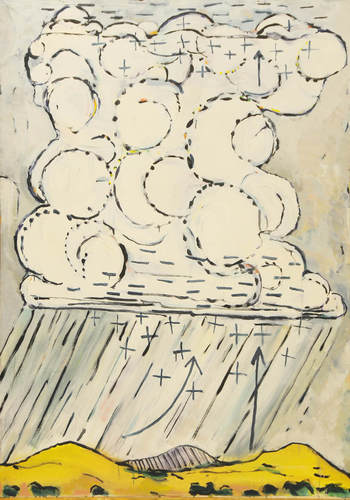
Paterson Ewen, Thunder Cloud as Generator #1, 1971
Acrylic on canvas, 213.4 x 152.4 cm, Museum London
Over the next ten years Ewen’s artistic output was limited but nevertheless impressive. But by the mid-1960s his family life was crumbling, and in November 1966, Ewen and Sullivan formally separated. Ewen fell into a deep depression. He would eventually seek treatment in London, Ontario, where he underwent electroconvulsive therapy, with encouraging results. He had thoughts of returning to Montreal and rejoining his wife and family, but his doctor strongly advised against it. Ewen decided to settle in London, where teaching and connections to a thriving regional art scene would provide stability as he carried the influences of his abstract work into new, figurative, realms.
This Essay is excerpted from Paterson Ewen: Life & Work by John G. Hatch.
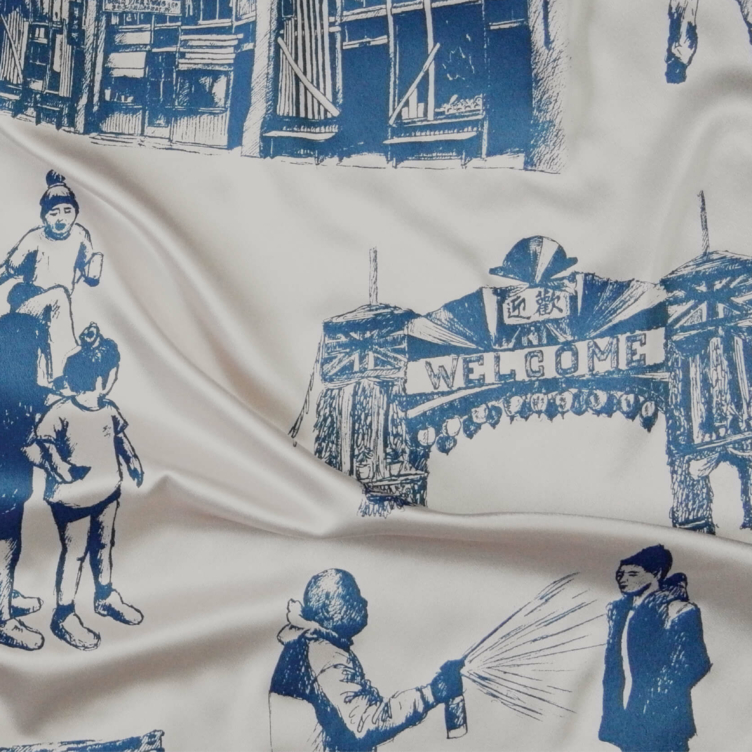 Karen Tam’s Autumn Tigers
Bridging Past and Present: Invisible Made Visible
By Imogene L. Lim, PhD
Karen Tam’s Autumn Tigers
Bridging Past and Present: Invisible Made Visible
By Imogene L. Lim, PhD
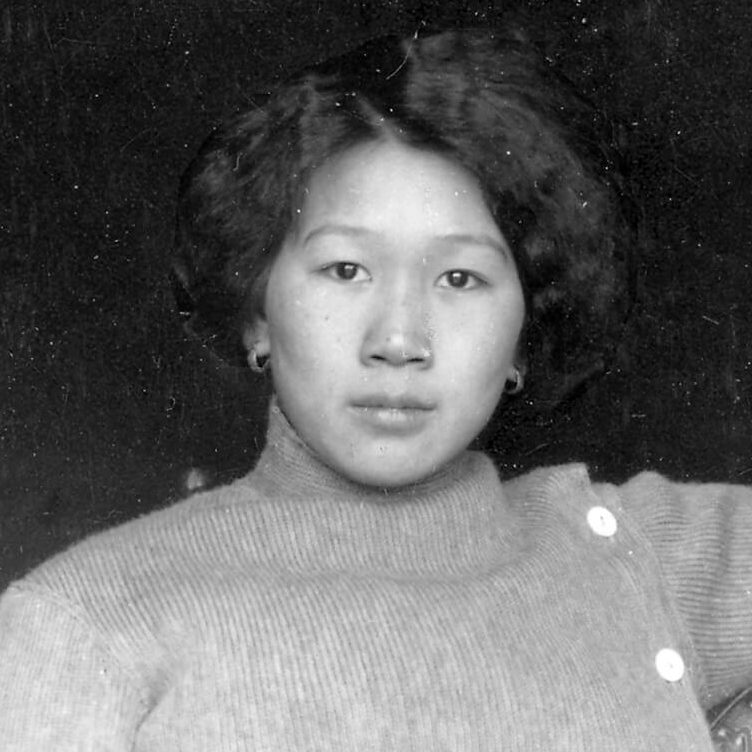 The Frontier Portraits of C.D. Hoy
A Chinese Canadian Photographer’s Tribute to His Community
By Faith Moosang
The Frontier Portraits of C.D. Hoy
A Chinese Canadian Photographer’s Tribute to His Community
By Faith Moosang
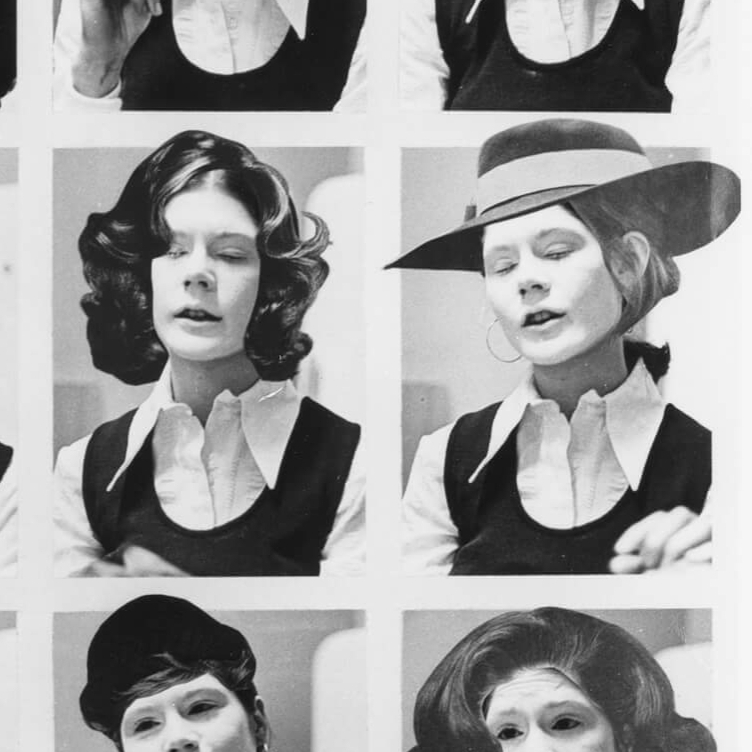 Interrogating Identity
Suzy Lake explores the role of photography in shaping how we understand and see ourselves
By Erin Silver
Interrogating Identity
Suzy Lake explores the role of photography in shaping how we understand and see ourselves
By Erin Silver
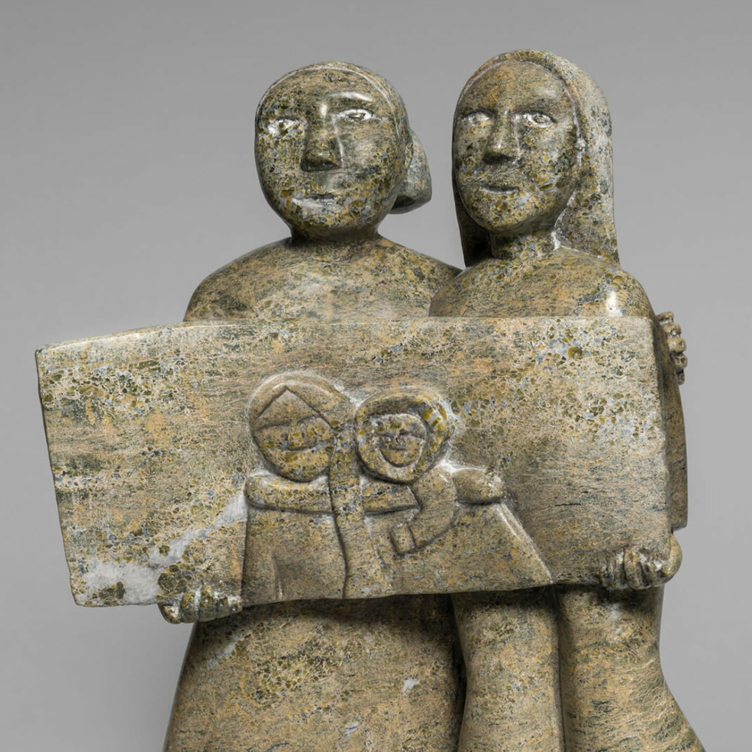 An Emboldened Artist
How Oviloo Tunnillie achieved rare international acclaim as an Inuit female sculptor
By Darlene Coward Wight
An Emboldened Artist
How Oviloo Tunnillie achieved rare international acclaim as an Inuit female sculptor
By Darlene Coward Wight
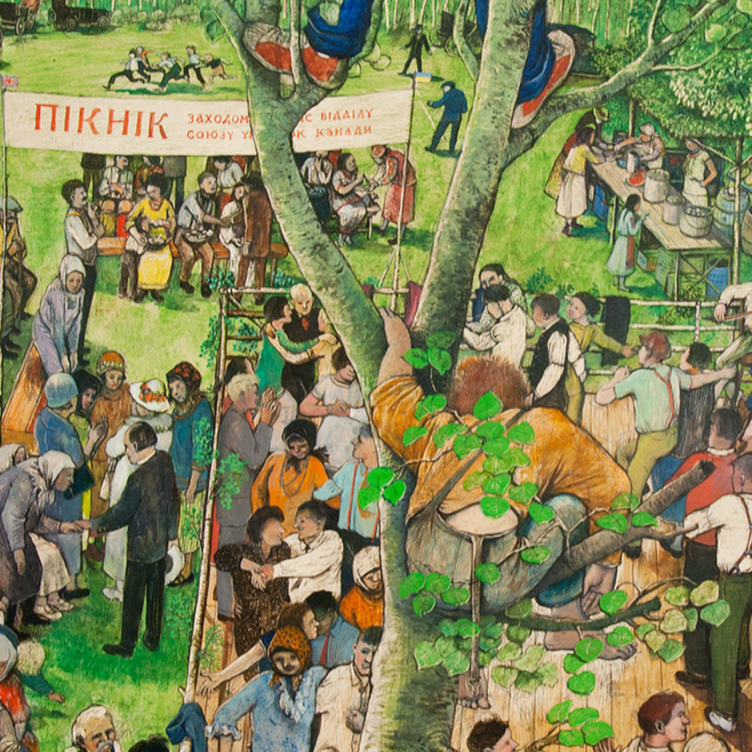 Painting the Cultural Mosaic
William Kurelek traversed the country in a quest to capture its diverse inhabitants
By Andrew Kear
Painting the Cultural Mosaic
William Kurelek traversed the country in a quest to capture its diverse inhabitants
By Andrew Kear
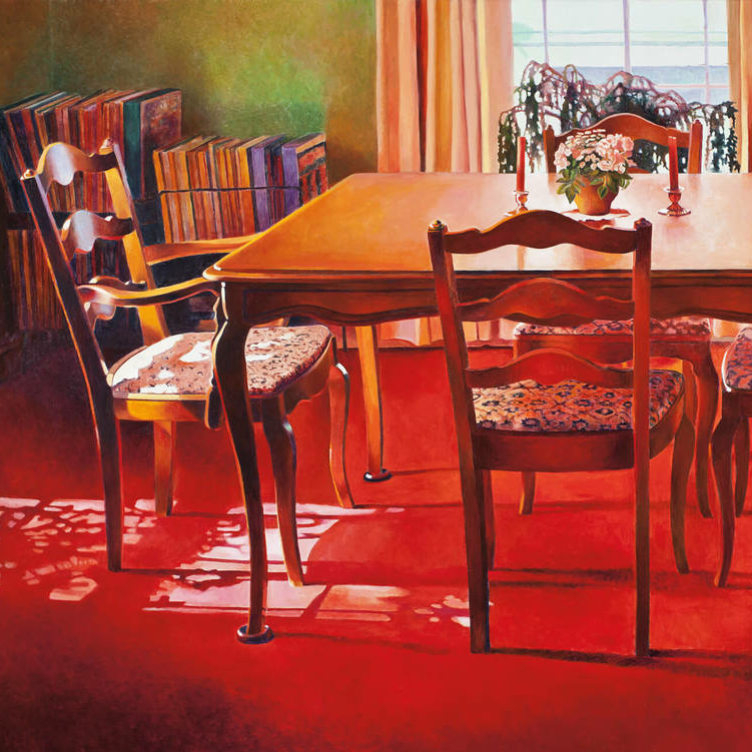 Domestic Discontent
Mary Pratt’s poetic scenes of home life are praised for their political edge
By Ray Cronin
Domestic Discontent
Mary Pratt’s poetic scenes of home life are praised for their political edge
By Ray Cronin
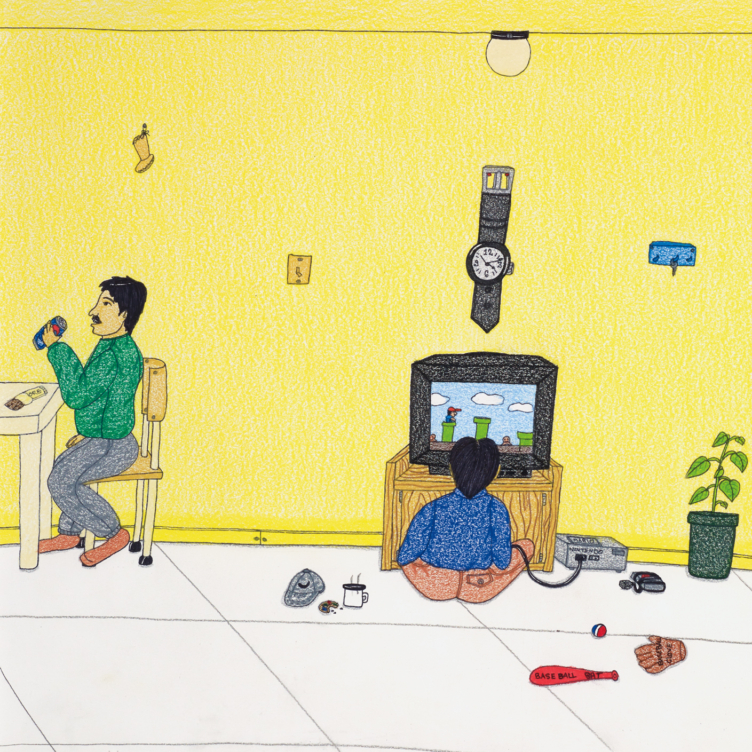 A New Vision of the North
Annie Pootoogook’s art offers unprecedented insights into the contemporary Arctic
By Nancy G. Campbell
A New Vision of the North
Annie Pootoogook’s art offers unprecedented insights into the contemporary Arctic
By Nancy G. Campbell
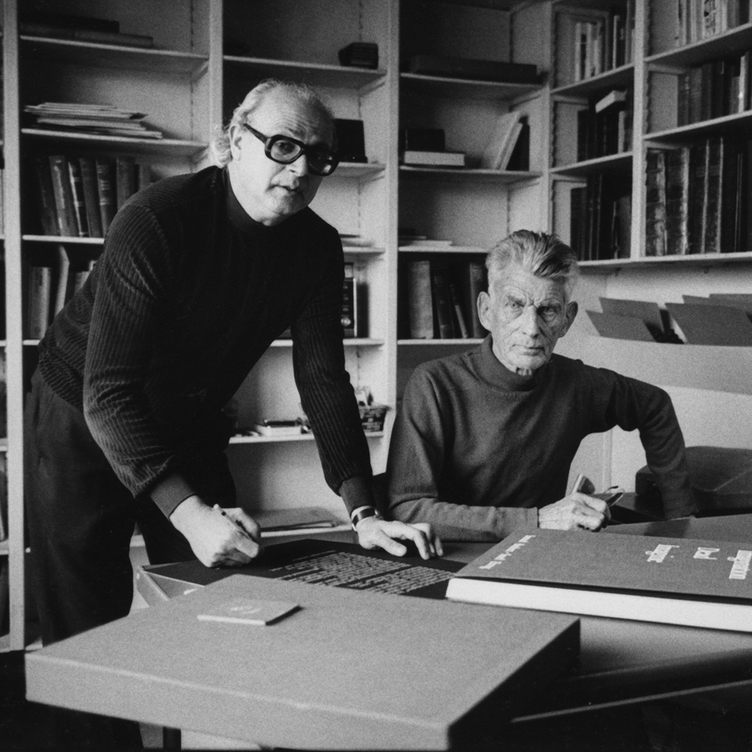 Meetings of Minds
Sorel Etrog found new ideas in collaborative work
By Alma Mikulinsky
Meetings of Minds
Sorel Etrog found new ideas in collaborative work
By Alma Mikulinsky
 Introducing Miss Chief
An excerpt from the ACI’s book “Revision and Resistance”
By Shirley Madill
Introducing Miss Chief
An excerpt from the ACI’s book “Revision and Resistance”
By Shirley Madill
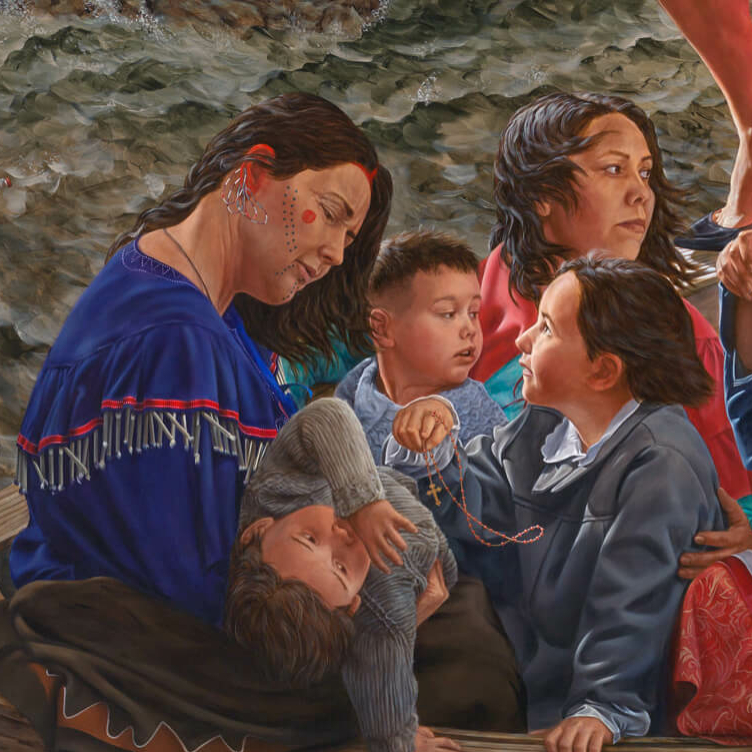 A Practice of Recovery
An excerpt from the ACI’s book “Revision and Resistance”
By Sasha Suda
A Practice of Recovery
An excerpt from the ACI’s book “Revision and Resistance”
By Sasha Suda
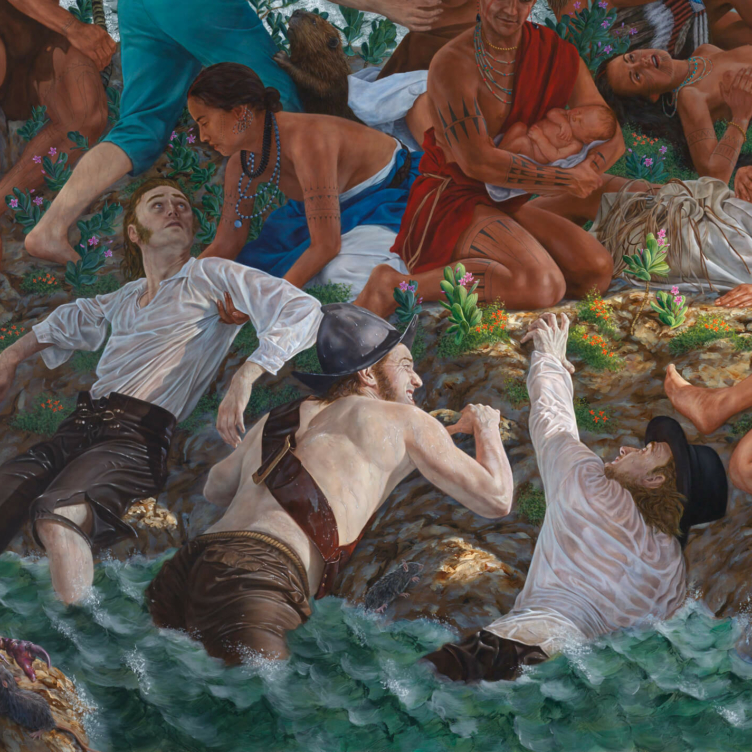 Decolonizing History Painting
An excerpt from the ACI’s book “Revision and Resistance”
By Ruth B. Phillips and Mark Salber Phillips
Decolonizing History Painting
An excerpt from the ACI’s book “Revision and Resistance”
By Ruth B. Phillips and Mark Salber Phillips
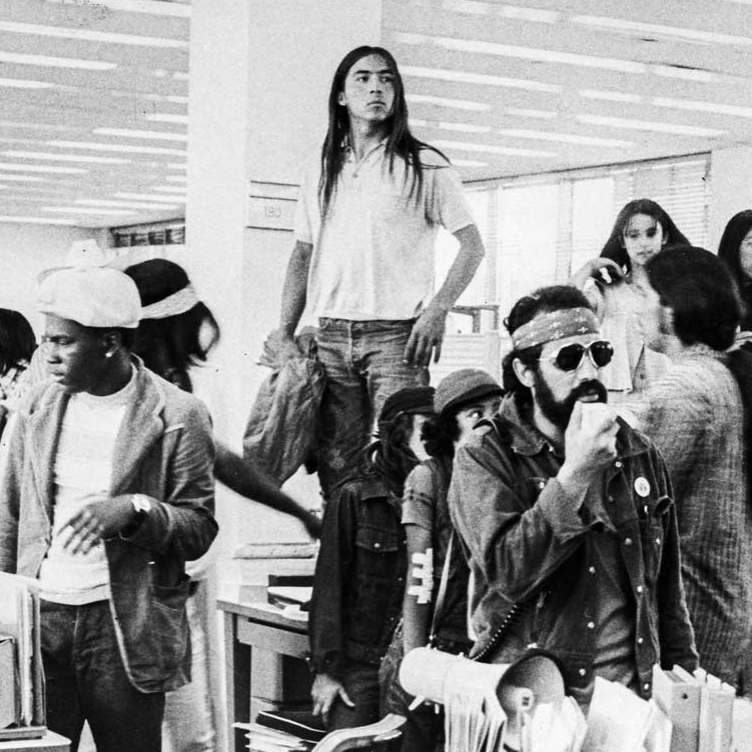 A Vision for the Future
An excerpt from the ACI’s book “Revision and Resistance”
By Nick Estes
A Vision for the Future
An excerpt from the ACI’s book “Revision and Resistance”
By Nick Estes
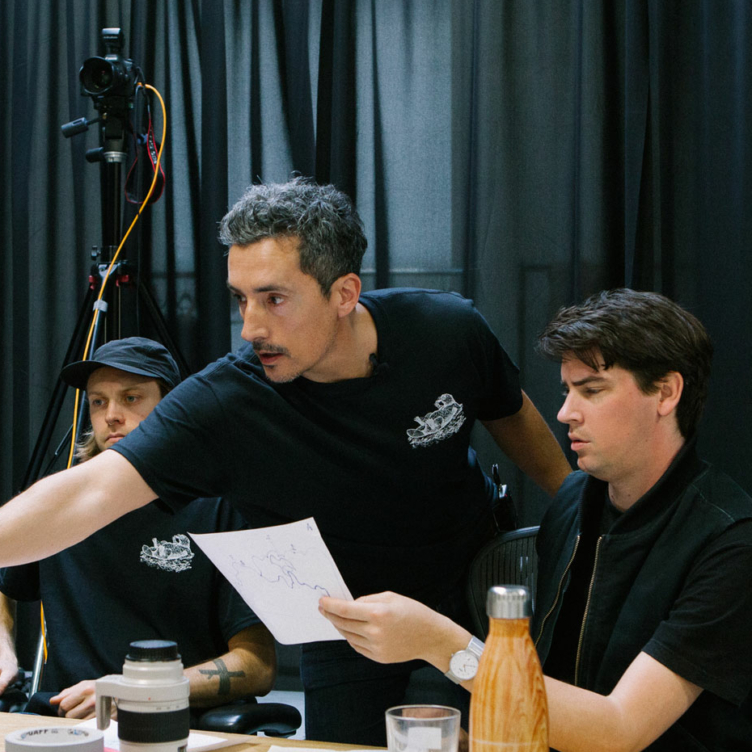 Inside Kent Monkman’s Studio
An excerpt from the ACI’s book “Revision and Resistance”
By Jami C. Powell
Inside Kent Monkman’s Studio
An excerpt from the ACI’s book “Revision and Resistance”
By Jami C. Powell
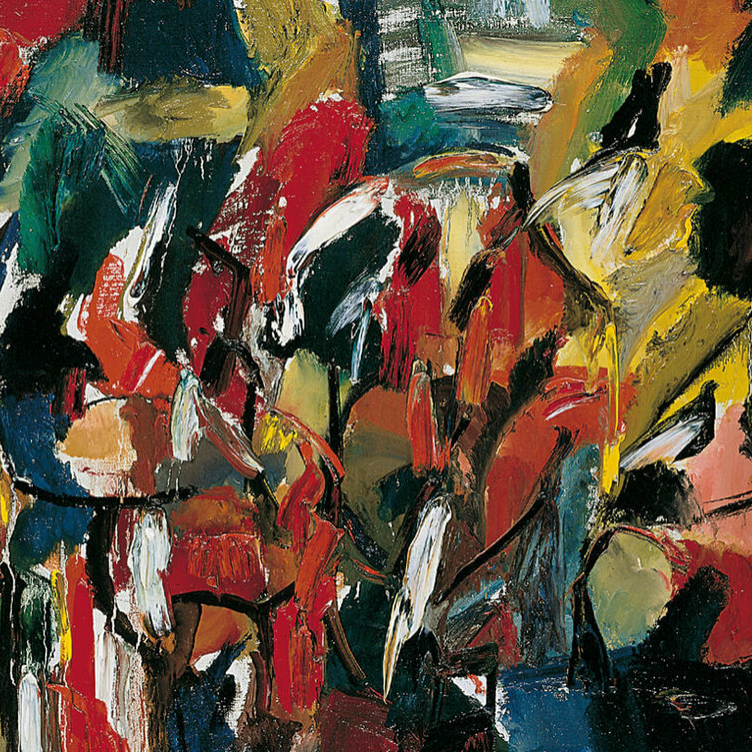 The Rule of Chance
Jean Paul Riopelle’s break with Automatism
By François-Marc Gagnon
The Rule of Chance
Jean Paul Riopelle’s break with Automatism
By François-Marc Gagnon
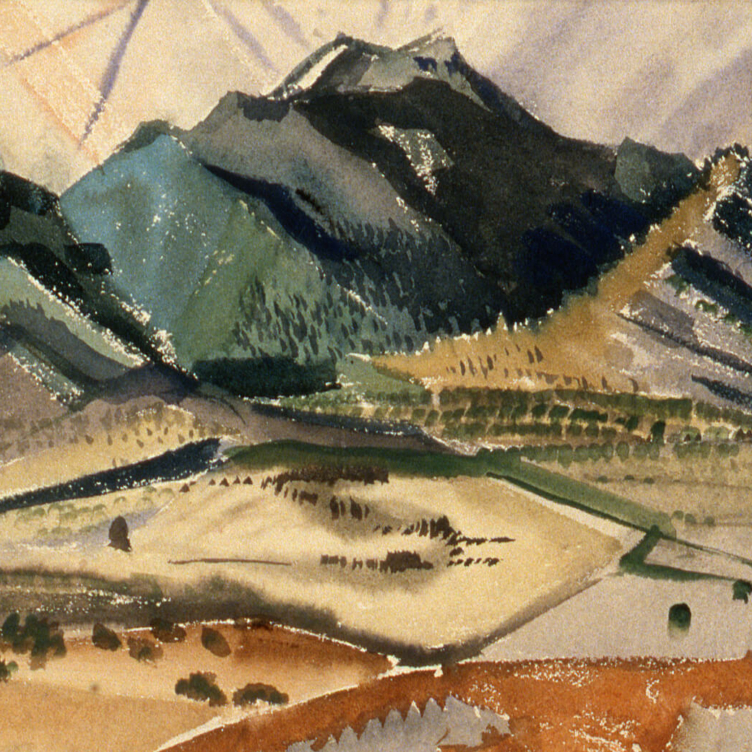 From Taos to New York
Agnes Martin and the currents of American Art
By Christopher Régimbal
From Taos to New York
Agnes Martin and the currents of American Art
By Christopher Régimbal
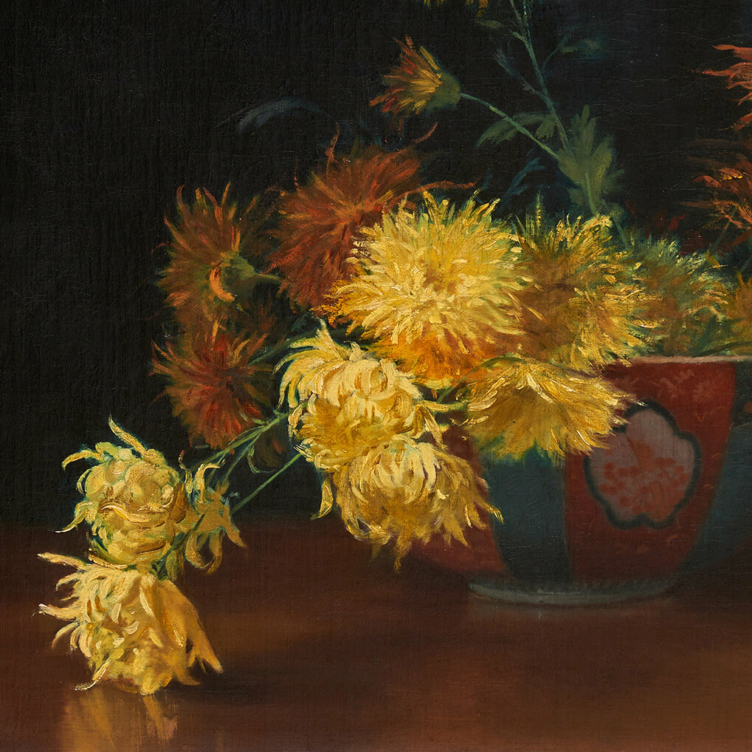 An Artist Blooms
Mary Hiester Reid’s floral aesthetics
By Andrea Terry
An Artist Blooms
Mary Hiester Reid’s floral aesthetics
By Andrea Terry
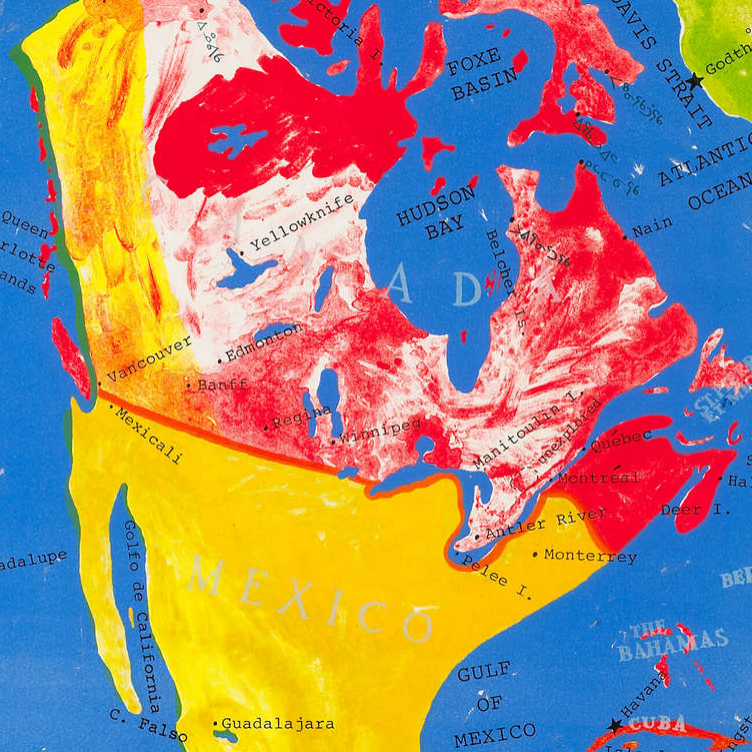 The Patriotic Painter
Greg Curnoe’s Canada
By Judith Rodger
The Patriotic Painter
Greg Curnoe’s Canada
By Judith Rodger
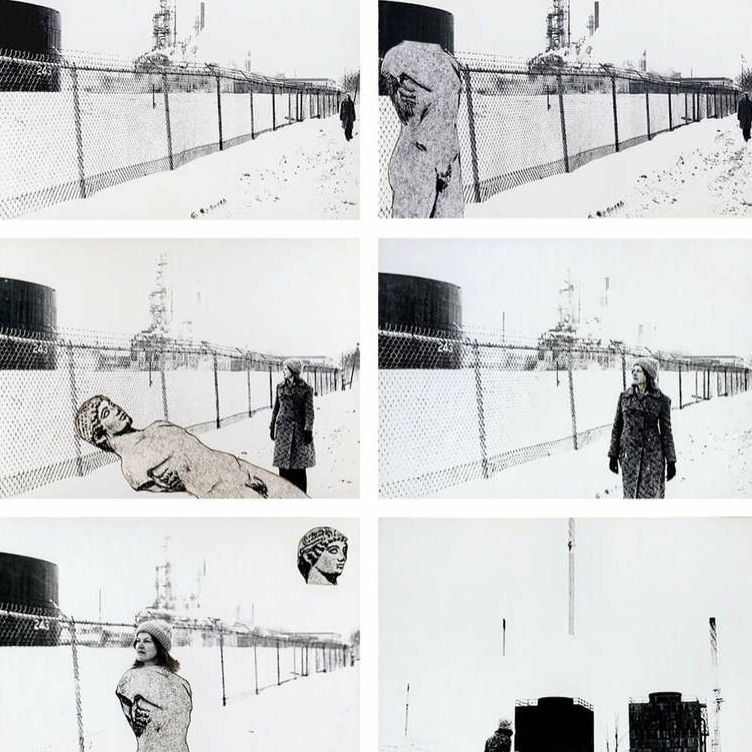 Walking, Stacking, Dancing
Françoise Sullivan’s conceptual 1970s
By Annie Gérin
Walking, Stacking, Dancing
Françoise Sullivan’s conceptual 1970s
By Annie Gérin
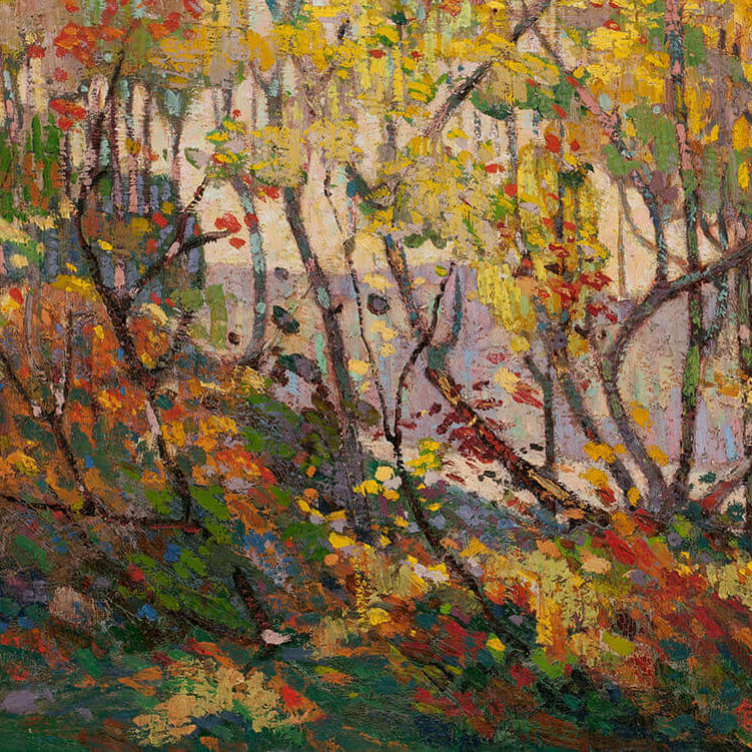 The Extraordinary North
Tom Thomson’s diary of landscape
By David P. Silcox
The Extraordinary North
Tom Thomson’s diary of landscape
By David P. Silcox
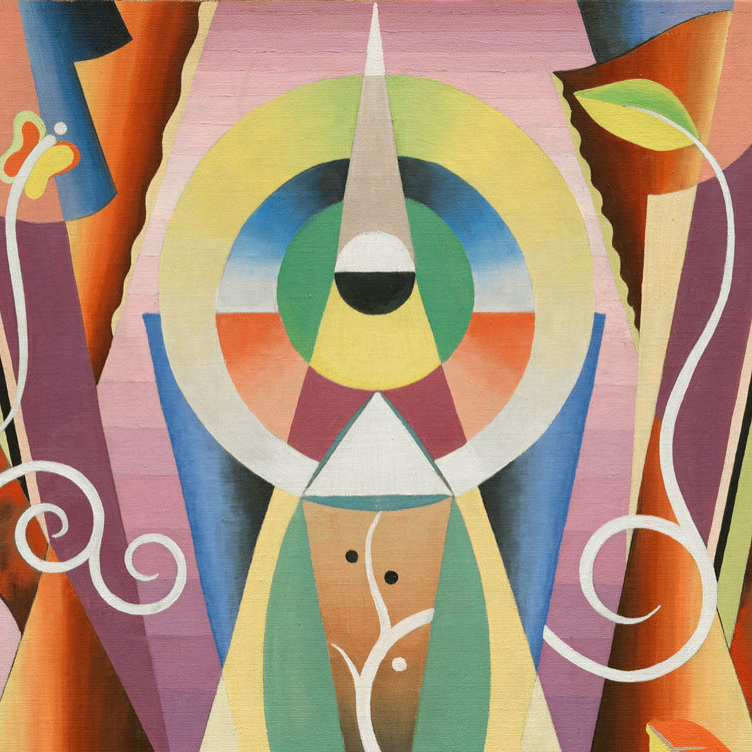 A Champion of Abstraction
Jock Macdonald sought a new expression in art
By Joyce Zemans
A Champion of Abstraction
Jock Macdonald sought a new expression in art
By Joyce Zemans