The London, Ontario, artist Jack Chambers (1931–1978) has a reputation as a painter and filmmaker that is unsurpassed in Canada, where he is rightly revered as a professional of the highest calibre and an uncompromising technical and thematic experimenter. Furthermore his theoretical essay “Perceptual Realism,” 1969, is still a touchstone in debates about regionalism, perception, and the spiritual in art.
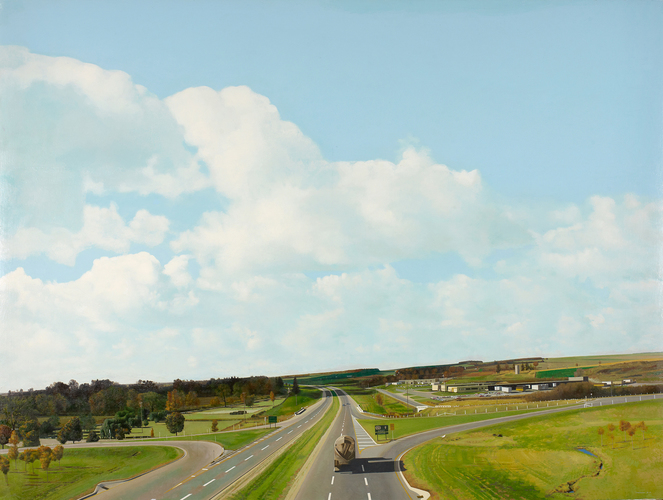
Jack Chambers, 401 Towards London No. 1, 1968–1969
Oil on wood, 183 x 244 cm, Art Gallery of Ontario, Toronto
A significant if difficult to read art theorist, Chambers believed that distinctions needed to be made among types of realism and because he felt his own approach was unique. He drew on examples from his own work, including 401 Towards London No. 1 and Sunday Morning No. 2, both begun in 1968 though completed, as the essay was, in 1969, after Chambers learned that he had leukemia. Perceptual realism was for Chambers a new type of realism, one that went to the essence of matter through light and material.
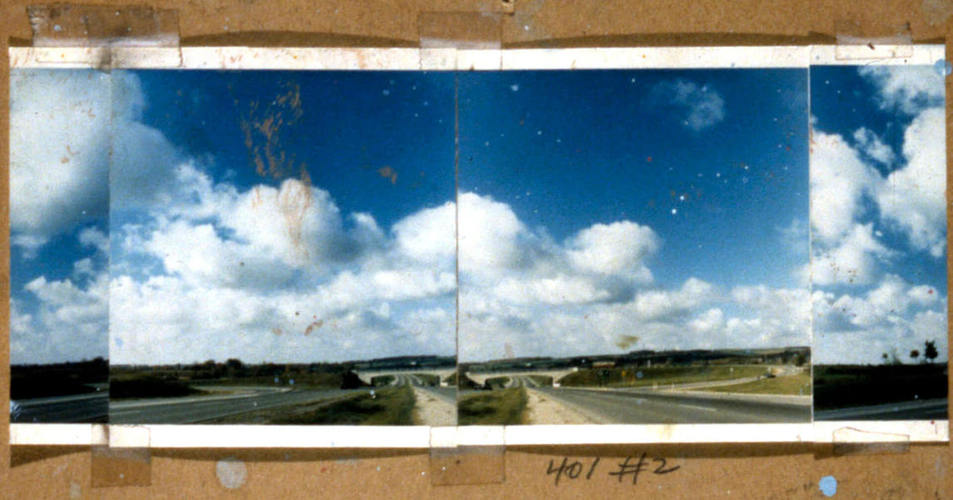
Jack Chambers, photographic studies for 401 Towards London No. 2, 1968 (unfinished), and 401 Towards London No. 1, 1968–1969
Art Gallery of Ontario, Toronto
His descriptions of it could tend to the poetic: perceptualism is “a faculty of inner vision where the object appears in the splendour of its essential namelessness.” At the same time, it was material and visible: Chambers depended on his own amateur photography to get the details of perception right and to allow him the time to produce his large paintings. He took photographs constantly, yet he never considered himself a photographer: he maintained a distance from the mechanical precision of the photograph, resulting in a sublime unreality that emanates from his images. Photography was a tool; painting and film were the vehicles of spiritual enlightenment.
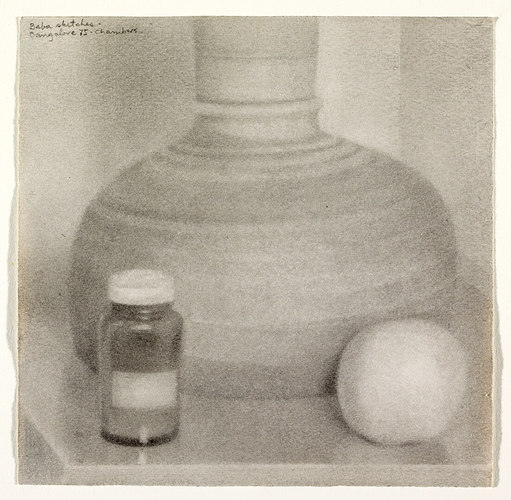
Jack Chambers, Indian Drawing No. 12, 1975
Graphite on paper, 22.2 x 22.4 cm, Art Gallery of Ontario, Toronto
Chambers refined his perceptualism up to his death in 1978; his late works depicting Lake Huron are prime examples. He also worked on films, especially the unfinished (but privately screened) C.C.C.I., 1970. He travelled often and widely during the 1970s, in search of a cure for his disease and for spiritual solace as well as for his work for Canadian Artists’ Representation, which he founded with fellow London artists Tony Urquhart (b. 1934), Kim Ondaatje (b. 1928), Greg Curnoe (1936–1992), and Ron Martin (b. 1943) over the course of 1967 and 1968 to establish a system of fees for artists. In Bangalore, India, in 1975, where he followed the teachings of the Indian guru Sai Baba for some months, he worked with materials that were at hand: pencil, chalk, and paper.
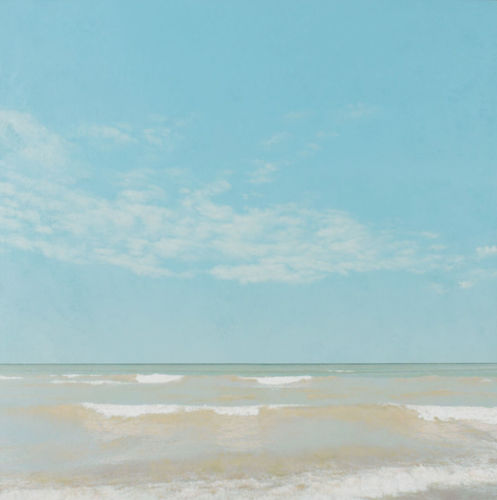
Jack Chambers, Lake Huron No. 1, 1970–1971
Oil on wood, 186 x 185 cm, Museum London
Chambers’s illness led him to focus on the miraculousness of life and the significance of the everyday. As delicate and evanescent as his health at this time, works from the final years of Chambers’s life mark a new, unbidden style, one that nonetheless harmonizes with his earlier, more robust instantiations of light, movement, and intimacy. For Chambers, perceptual realism was a profound reflection on primary sensory experience, not simply a reproduction of it.
This Essay is excerpted from Jack Chambers: Life & Work by Mark A. Cheetham.
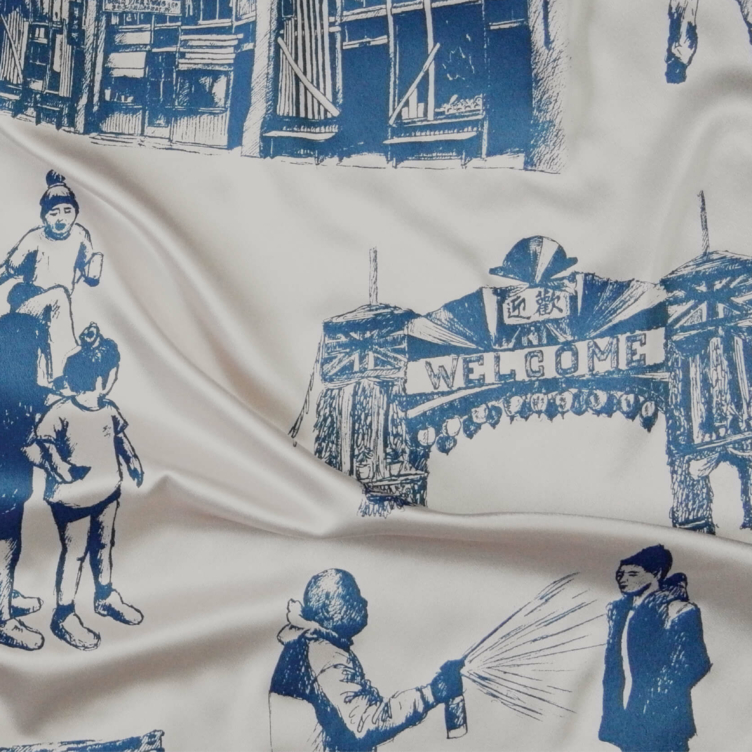 Karen Tam’s Autumn Tigers
Bridging Past and Present: Invisible Made Visible
By Imogene L. Lim, PhD
Karen Tam’s Autumn Tigers
Bridging Past and Present: Invisible Made Visible
By Imogene L. Lim, PhD
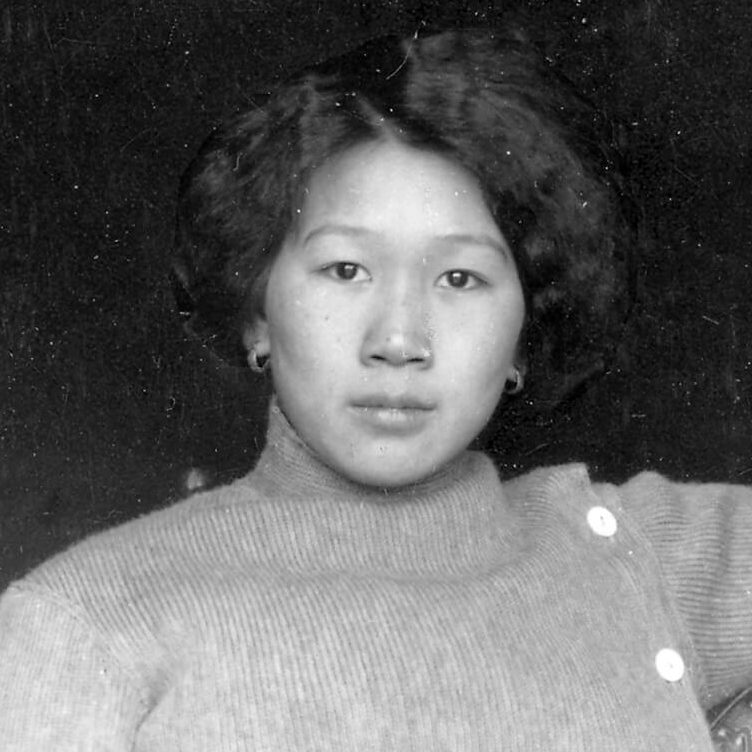 The Frontier Portraits of C.D. Hoy
A Chinese Canadian Photographer’s Tribute to His Community
By Faith Moosang
The Frontier Portraits of C.D. Hoy
A Chinese Canadian Photographer’s Tribute to His Community
By Faith Moosang
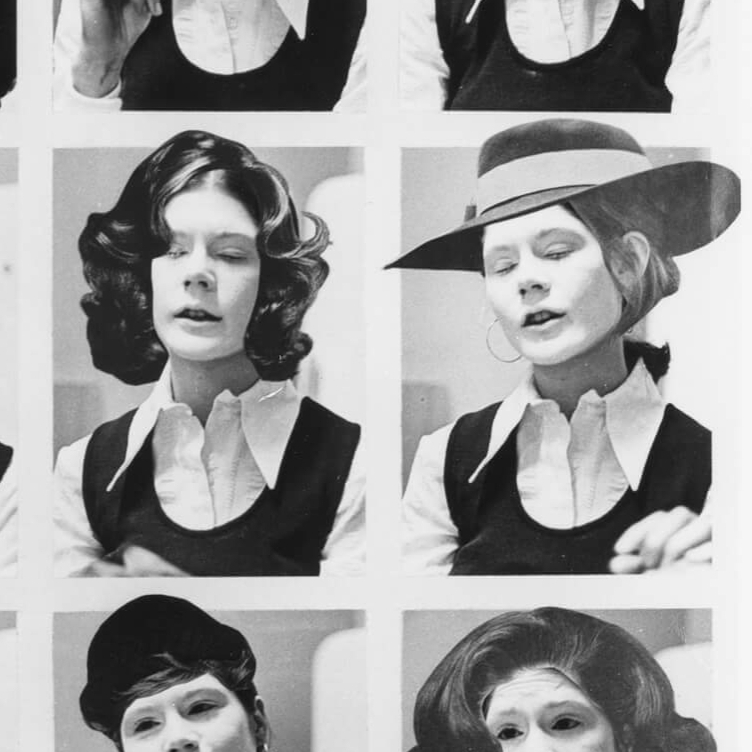 Interrogating Identity
Suzy Lake explores the role of photography in shaping how we understand and see ourselves
By Erin Silver
Interrogating Identity
Suzy Lake explores the role of photography in shaping how we understand and see ourselves
By Erin Silver
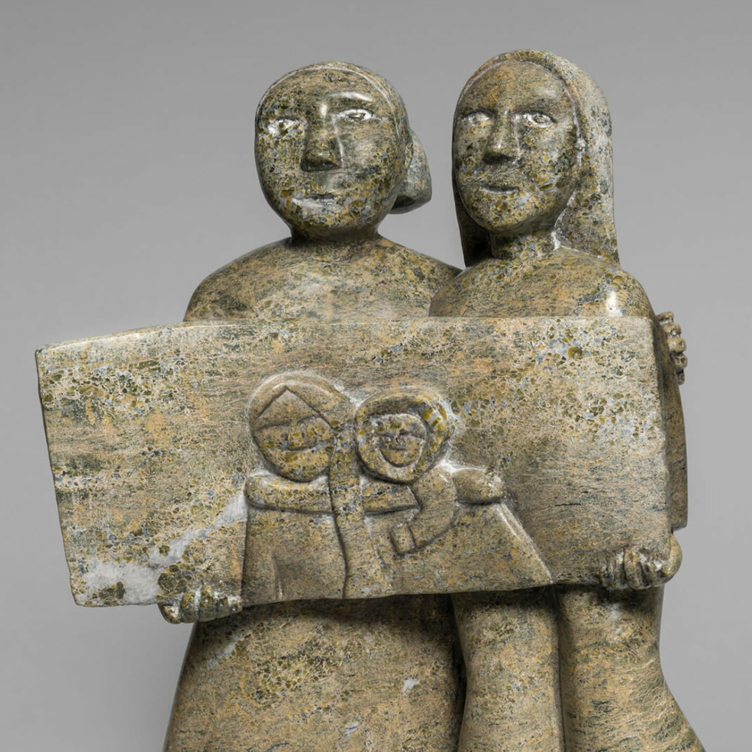 An Emboldened Artist
How Oviloo Tunnillie achieved rare international acclaim as an Inuit female sculptor
By Darlene Coward Wight
An Emboldened Artist
How Oviloo Tunnillie achieved rare international acclaim as an Inuit female sculptor
By Darlene Coward Wight
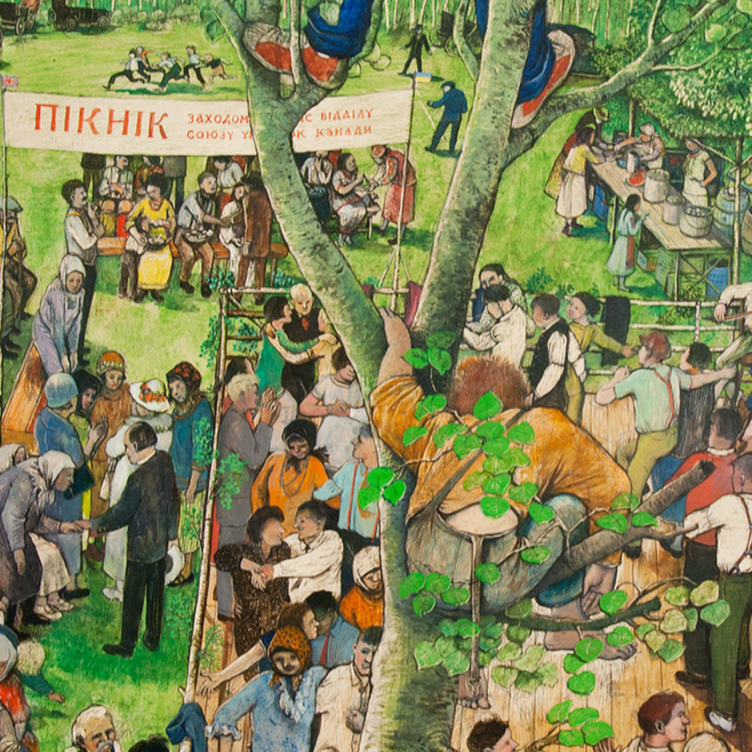 Painting the Cultural Mosaic
William Kurelek traversed the country in a quest to capture its diverse inhabitants
By Andrew Kear
Painting the Cultural Mosaic
William Kurelek traversed the country in a quest to capture its diverse inhabitants
By Andrew Kear
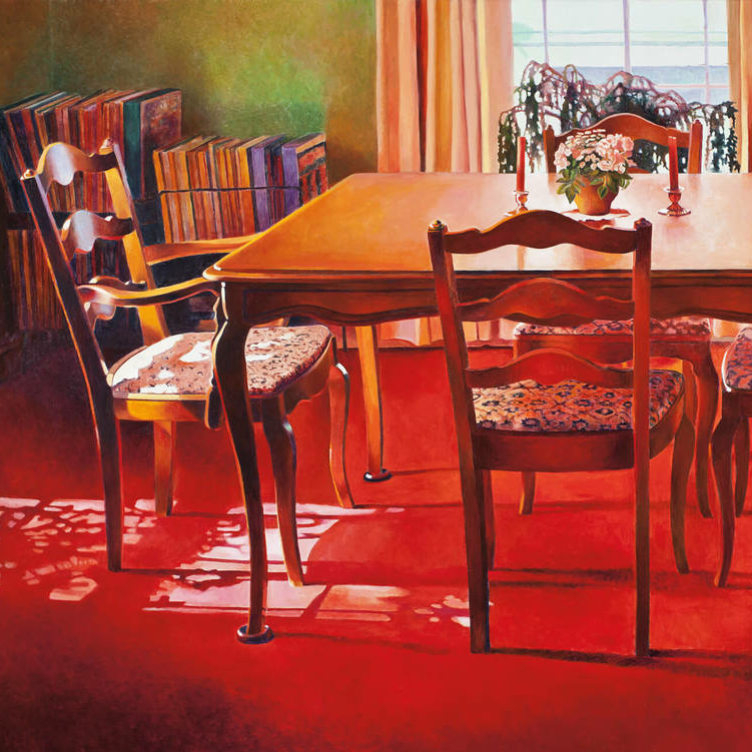 Domestic Discontent
Mary Pratt’s poetic scenes of home life are praised for their political edge
By Ray Cronin
Domestic Discontent
Mary Pratt’s poetic scenes of home life are praised for their political edge
By Ray Cronin
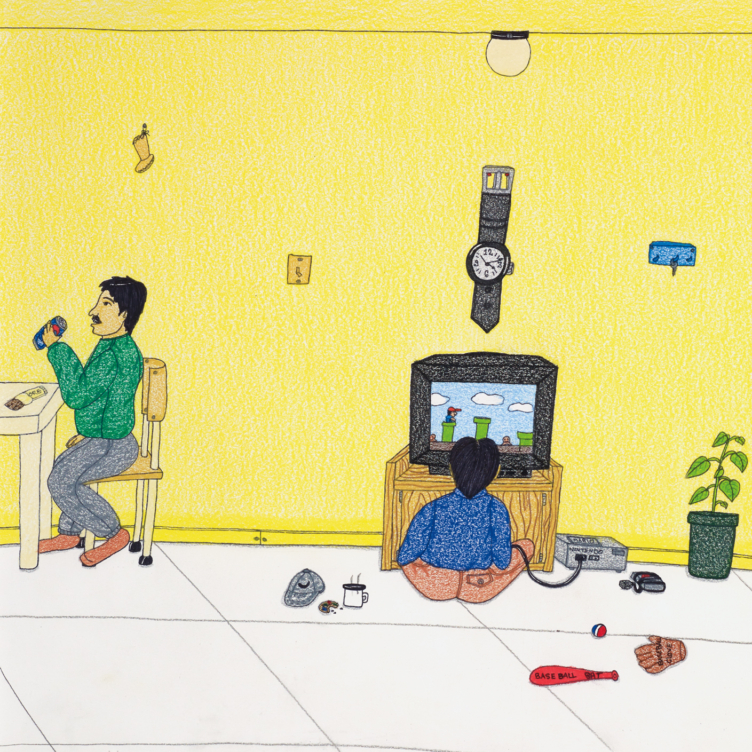 A New Vision of the North
Annie Pootoogook’s art offers unprecedented insights into the contemporary Arctic
By Nancy G. Campbell
A New Vision of the North
Annie Pootoogook’s art offers unprecedented insights into the contemporary Arctic
By Nancy G. Campbell
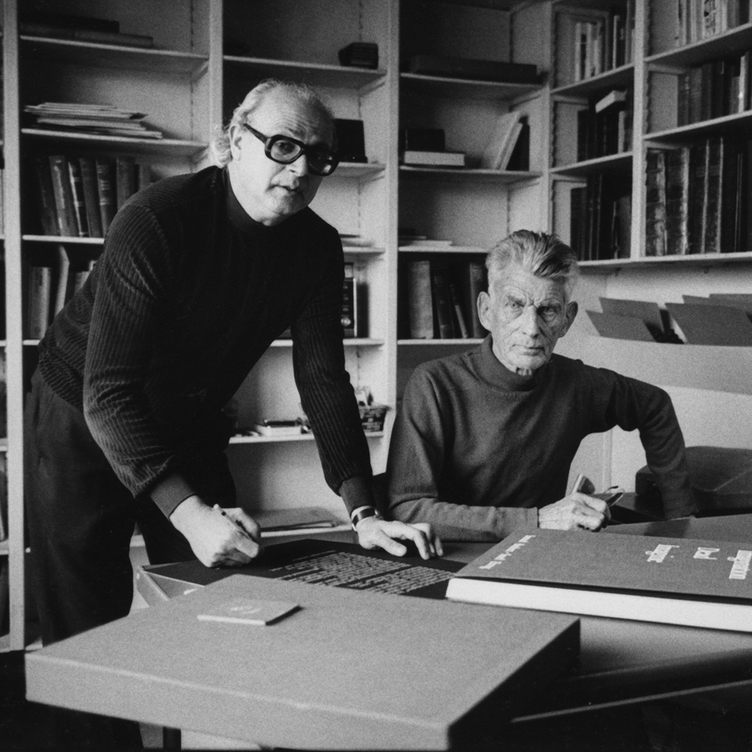 Meetings of Minds
Sorel Etrog found new ideas in collaborative work
By Alma Mikulinsky
Meetings of Minds
Sorel Etrog found new ideas in collaborative work
By Alma Mikulinsky
 Introducing Miss Chief
An excerpt from the ACI’s book “Revision and Resistance”
By Shirley Madill
Introducing Miss Chief
An excerpt from the ACI’s book “Revision and Resistance”
By Shirley Madill
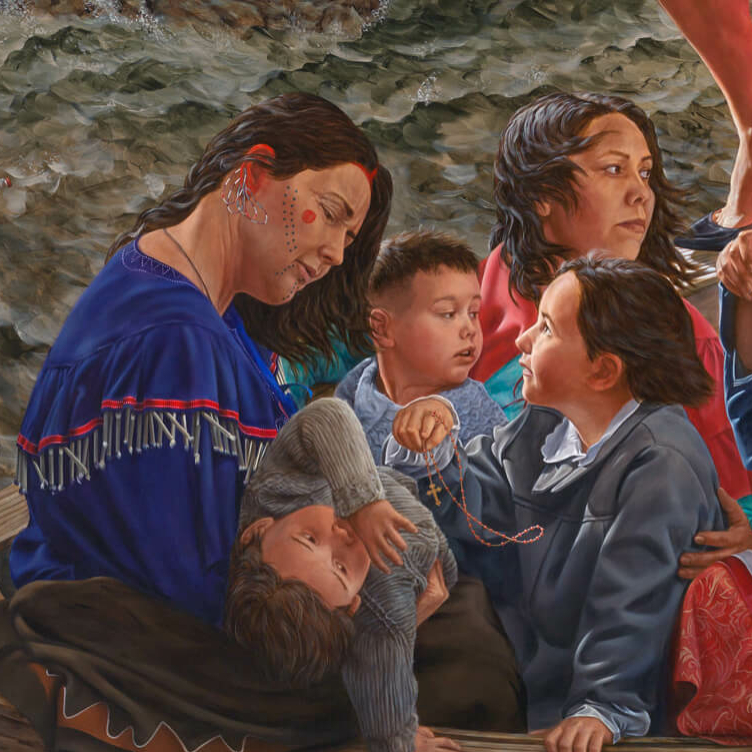 A Practice of Recovery
An excerpt from the ACI’s book “Revision and Resistance”
By Sasha Suda
A Practice of Recovery
An excerpt from the ACI’s book “Revision and Resistance”
By Sasha Suda
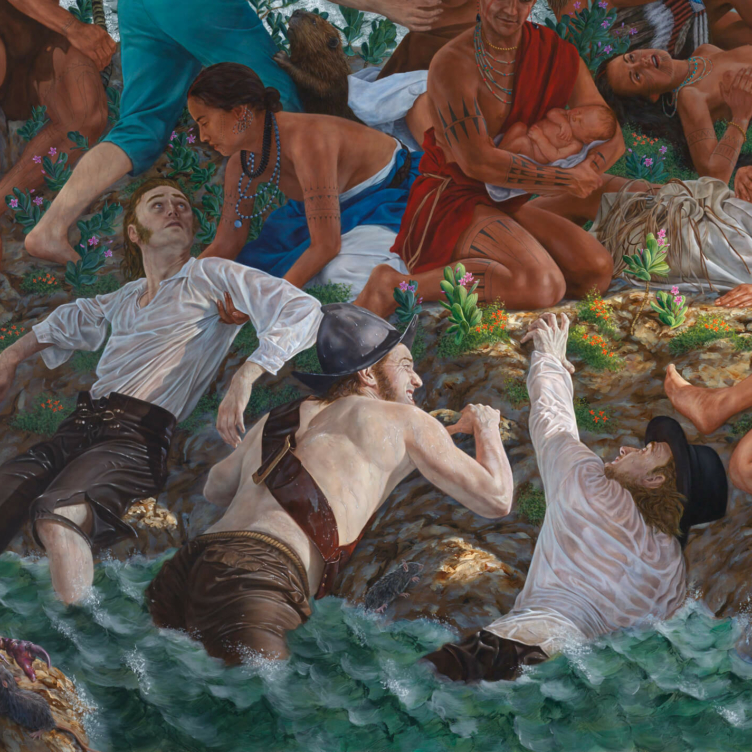 Decolonizing History Painting
An excerpt from the ACI’s book “Revision and Resistance”
By Ruth B. Phillips and Mark Salber Phillips
Decolonizing History Painting
An excerpt from the ACI’s book “Revision and Resistance”
By Ruth B. Phillips and Mark Salber Phillips
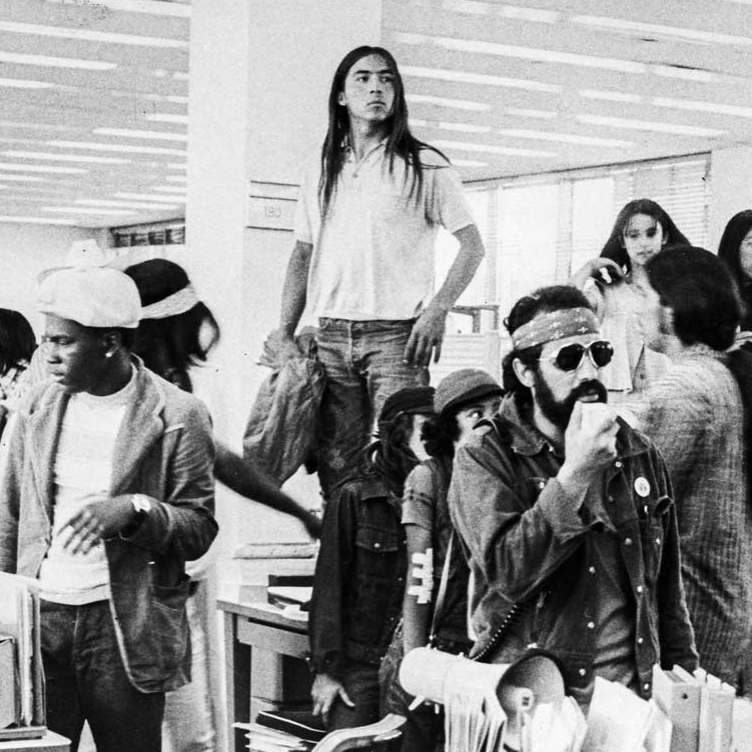 A Vision for the Future
An excerpt from the ACI’s book “Revision and Resistance”
By Nick Estes
A Vision for the Future
An excerpt from the ACI’s book “Revision and Resistance”
By Nick Estes
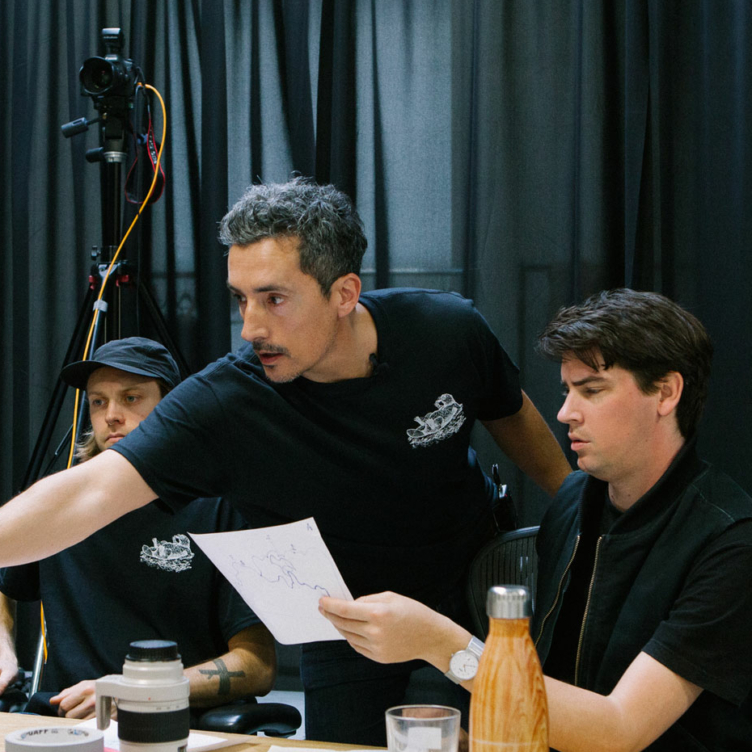 Inside Kent Monkman’s Studio
An excerpt from the ACI’s book “Revision and Resistance”
By Jami C. Powell
Inside Kent Monkman’s Studio
An excerpt from the ACI’s book “Revision and Resistance”
By Jami C. Powell
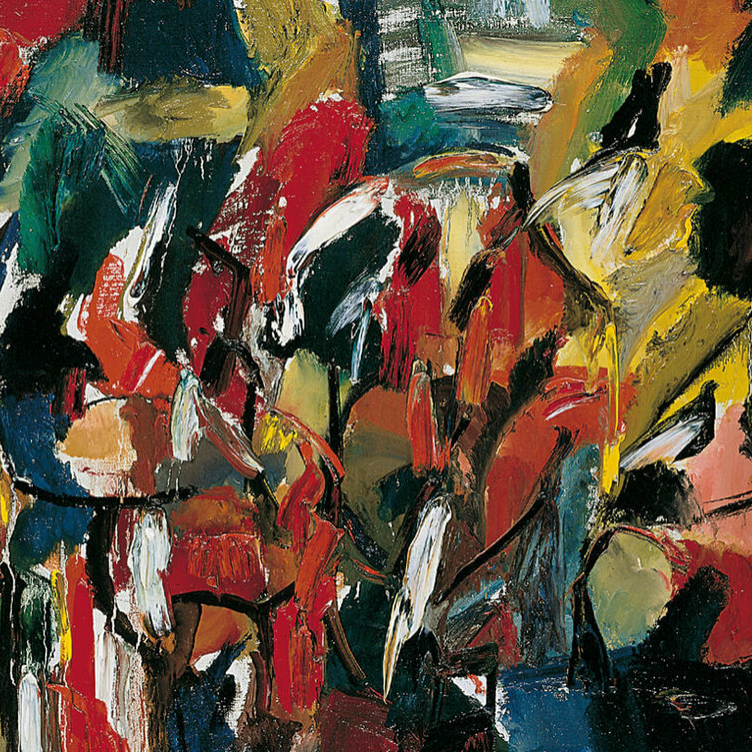 The Rule of Chance
Jean Paul Riopelle’s break with Automatism
By François-Marc Gagnon
The Rule of Chance
Jean Paul Riopelle’s break with Automatism
By François-Marc Gagnon
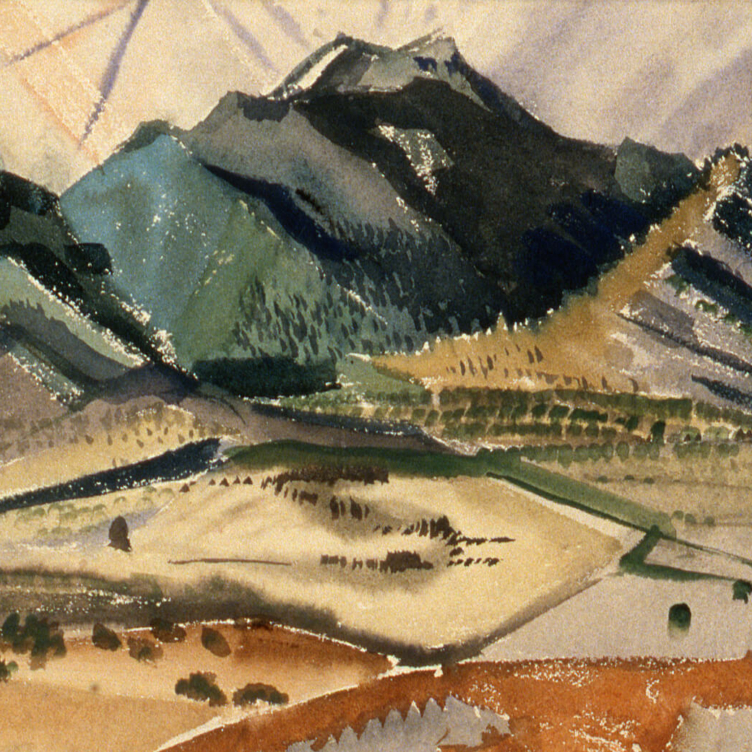 From Taos to New York
Agnes Martin and the currents of American Art
By Christopher Régimbal
From Taos to New York
Agnes Martin and the currents of American Art
By Christopher Régimbal
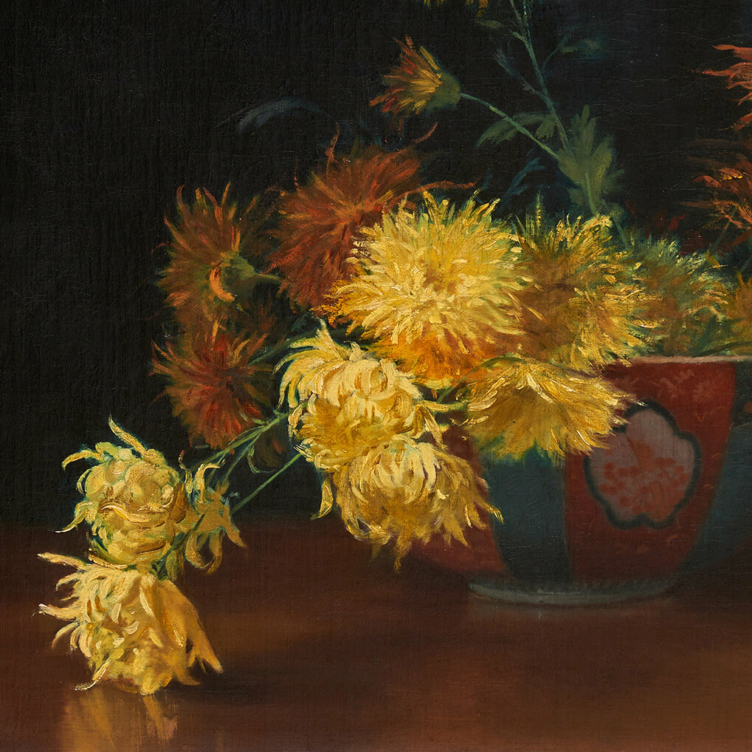 An Artist Blooms
Mary Hiester Reid’s floral aesthetics
By Andrea Terry
An Artist Blooms
Mary Hiester Reid’s floral aesthetics
By Andrea Terry
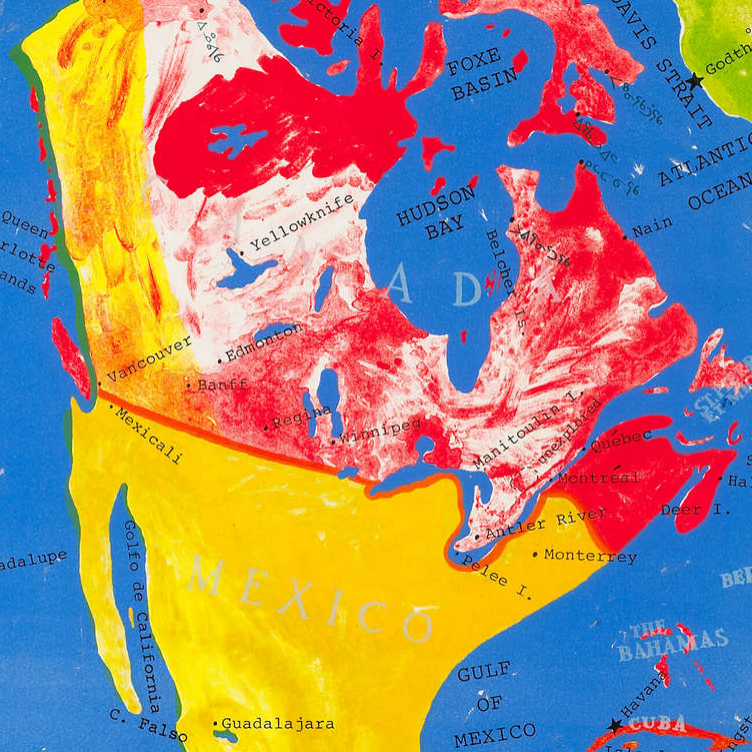 The Patriotic Painter
Greg Curnoe’s Canada
By Judith Rodger
The Patriotic Painter
Greg Curnoe’s Canada
By Judith Rodger
 Walking, Stacking, Dancing
Françoise Sullivan’s conceptual 1970s
By Annie Gérin
Walking, Stacking, Dancing
Françoise Sullivan’s conceptual 1970s
By Annie Gérin
 The Extraordinary North
Tom Thomson’s diary of landscape
By David P. Silcox
The Extraordinary North
Tom Thomson’s diary of landscape
By David P. Silcox
 A Champion of Abstraction
Jock Macdonald sought a new expression in art
By Joyce Zemans
A Champion of Abstraction
Jock Macdonald sought a new expression in art
By Joyce Zemans