The nineteenth-century Huron-Wendat artist Zacharie Vincent (1815–1886) decided to embark on an artistic career with works such as Zacharie Vincent and His Son Cyprien, c.1851, seemingly as a result of a number of events, the most important of which was the painting of his portrait by Antoine Plamondon (1804–1895), a prominent Quebec City portraitist known for his depictions of the city’s rising bourgeoisie. An active member of his community who would go on to serve as chief, in the painting Vincent stands not only as a representative of his people, but as a symbolic figure within colonial society in the nineteenth century. Its title, Portrait of Zacharie Vincent, Last of the Hurons, is a reference to predictions of the imminent disappearance of the Huron that were common at the time.
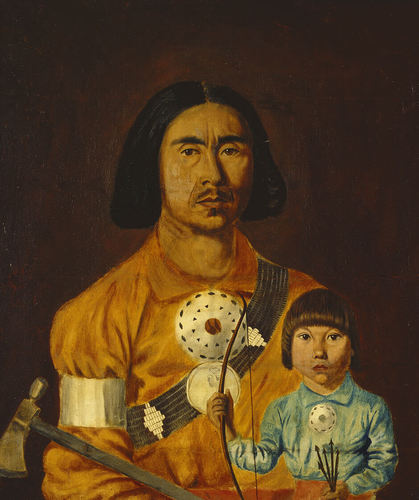
Zacharie Vincent, Zacharie Vincent and His Son Cyprien, c.1851
Oil on canvas, 48.5 x 41.2 cm, Musée national des beaux-arts du Québec. This work is one of the first self-portraits created by Vincent.
When Plamondon created his portrait of Vincent, the Huron nation was indeed experiencing serious political instability. The various measures the Hurons had undertaken since the eighteenth century to defend their territory had all ended in failure. The community was now looking to other strategies in their fight for survival: specifically, they were seeking to preserve their ethnic identity and revitalize their social and cultural life. As chief and “the last of the Hurons,” Vincent was part of these efforts, both symbolically and actively, through his status as an example and role model and through the power of his artistic production.
In his paintings, Vincent adopted Western pictorial techniques such as perspective and drawing from photographs—particularly photographs of himself—allowing him to take back control of his own image and to offer a response to the depiction of Indigenous people by Plamondon, as well as other artists including Joseph Légaré (1795–1855), Cornelius Krieghoff (1815–1872), Henry Daniel Thielcke (c.1788–1874), and Théophile Hamel (1817–1870).
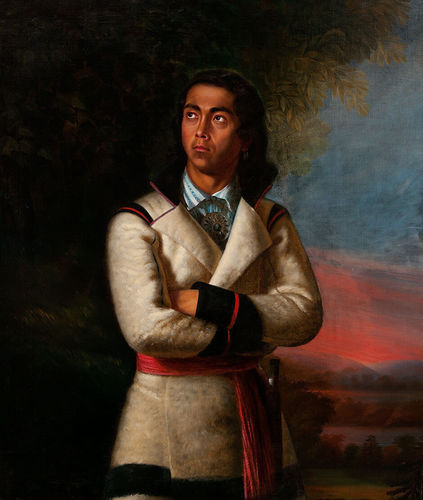
Antoine Plamondon, Portrait of Zacharie Vincent, Last of the Hurons, 1838
Oil on canvas, 114.3 x 96.5 cm, private collection
Vincent’s body of work is estimated to include several hundred paintings and drawings. His intention was always to combat the image of the Indigenous subject as fixed in the past, exotic, nostalgic, and backward-looking, and to replace it with images of a complex identity influenced by the pressures of assimilation and encompassing the transformations brought about by cultural contact and alliances extending back two hundred years. He succeeded in creating a narrative both to counter alarmist predictions of the disappearance of the Indigenous subject and to portray the reality of his community’s social and political life. By appropriating a Western pictorial medium and ensuring the wide distribution of his work, Vincent at the same time initiated a significant dialogue with the colonial population.
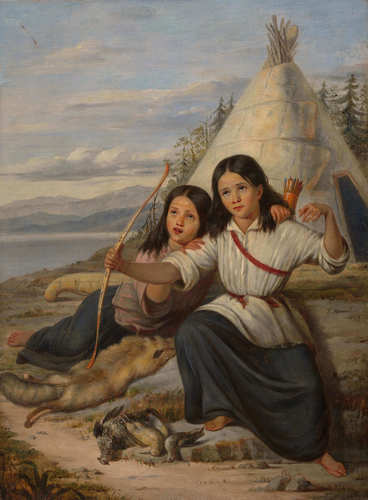
Théophile Hamel, Young Indian Girls in Lorette, 1865
Oil on canvas, 63.8 x 47.2 cm, Musée national des beaux-arts du Québec. Vincent’s work offered a response to the depiction of Indigenous people by artists such as Hamel and Krieghoff.
During his lifetime Vincent sold paintings to tourists, soldiers in the garrison in Quebec City, and visiting dignitaries such as Lord Durham, Lord Elgin, Lord Monck, and Princess Louise. Several commercial establishments in Quebec that specialized in exotic items, postcards, and photographs would also have been outlets for his work. He is a rare artist who sold self-portraits in his own lifetime. This achievement may be attributed to the public’s enthusiasm for Indigenous subjects and to the charisma he projected—as a chief, as “the last of the Hurons,” and as “the Huron artist,” a previously unknown category.
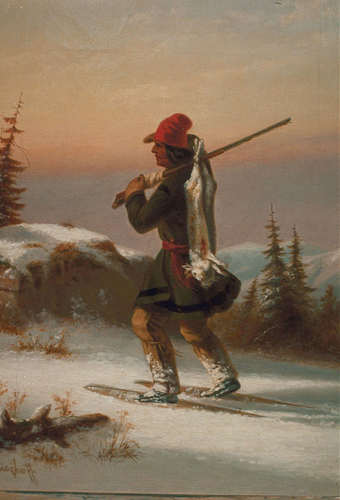
Cornelius Krieghoff, Huron-Wendat from Lorette, c.1855
Oil on canvas, 28.3 x 23.2 cm, McCord Museum, Montreal
Vincent’s self-portraits in particular manifested a project of reflection on the artist’s condition and that of his community, on the tensions the community suffered, and on the process of its transformation. They allowed him to chart the contours of his culture and his life and to establish a dialogue, a face-to-face communication with the spectator, who is included in the artist’s insistent gaze—which is itself a reflection of his own status and his creative engagement.
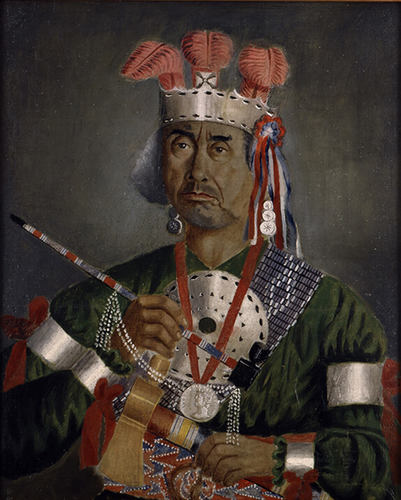
Zacharie Vincent, Self-Portrait, n.d.
Oil on paper, 62.5 x 53 cm, Musée de la civilisation, Quebec City
Over the years, Vincent continued to adapt the tone of his work to boost its effectiveness with the audiences he wanted to reach. In this respect, the content of his art falls into three categories: cultural references that could be decoded only by members of the Huron community, typical or stereotypical elements that would be widely understood by the general public, and elements related to his own experience as an artist. By using well-known cultural references, Vincent attracted the interest of tourists and visitors, while at the same time conveying a subtle criticism of their complacent views and of the underlying dynamic of colonial power.
This Essay is excerpted from Zacharie Vincent: Life & Work by Louise Vigneault.
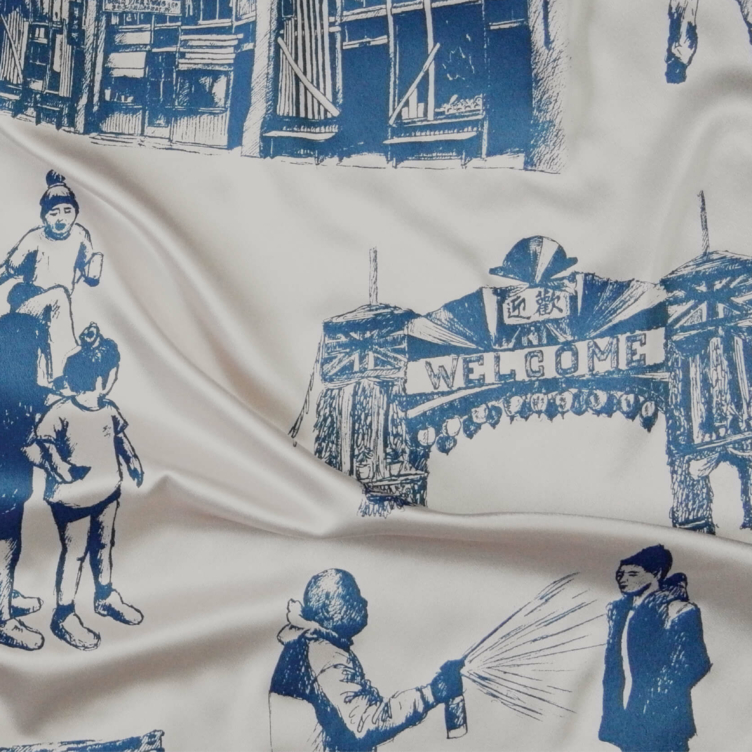 Karen Tam’s Autumn Tigers
Bridging Past and Present: Invisible Made Visible
By Imogene L. Lim, PhD
Karen Tam’s Autumn Tigers
Bridging Past and Present: Invisible Made Visible
By Imogene L. Lim, PhD
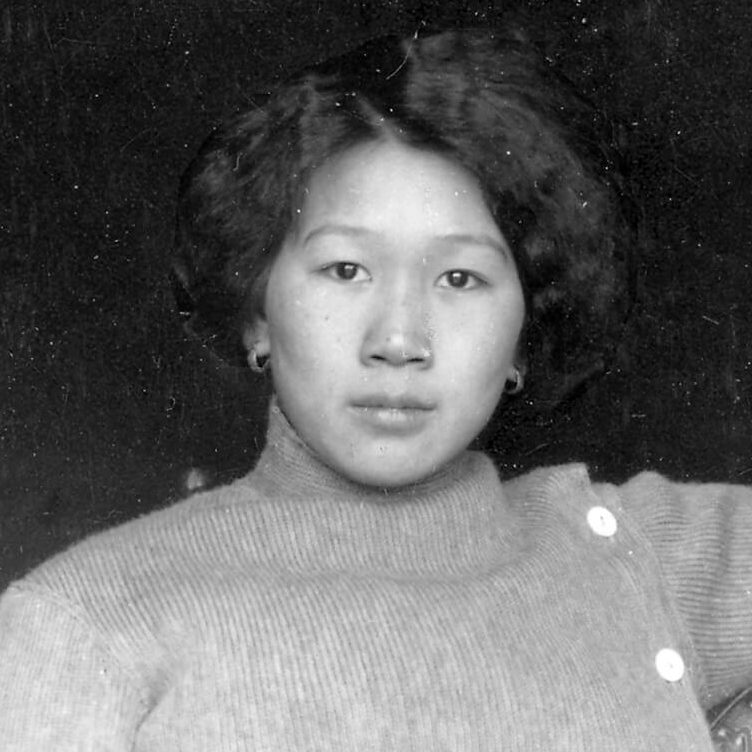 The Frontier Portraits of C.D. Hoy
A Chinese Canadian Photographer’s Tribute to His Community
By Faith Moosang
The Frontier Portraits of C.D. Hoy
A Chinese Canadian Photographer’s Tribute to His Community
By Faith Moosang
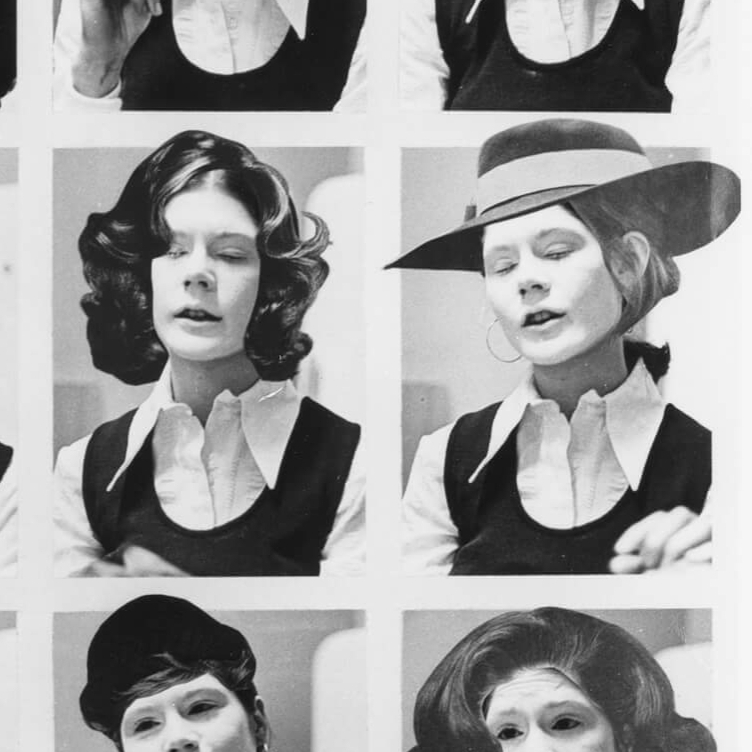 Interrogating Identity
Suzy Lake explores the role of photography in shaping how we understand and see ourselves
By Erin Silver
Interrogating Identity
Suzy Lake explores the role of photography in shaping how we understand and see ourselves
By Erin Silver
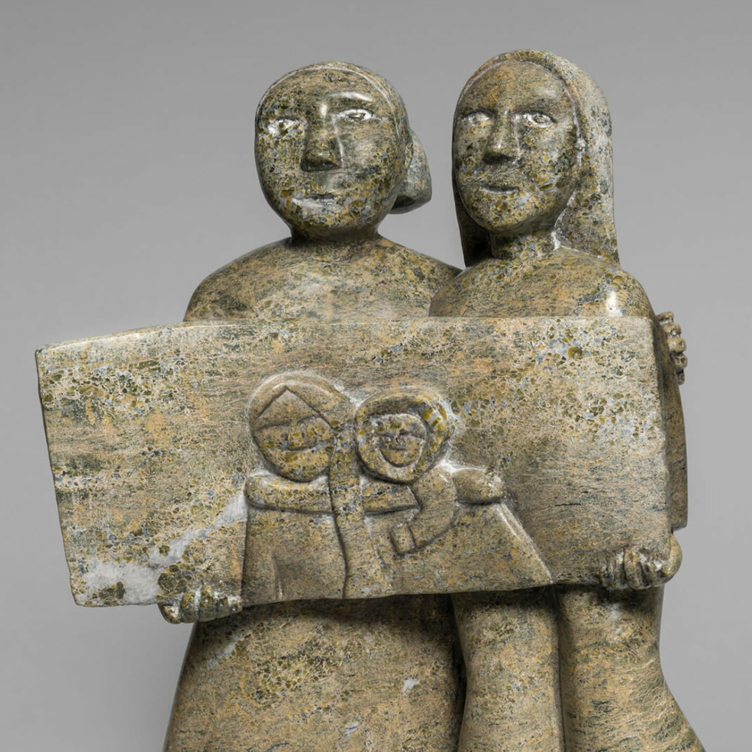 An Emboldened Artist
How Oviloo Tunnillie achieved rare international acclaim as an Inuit female sculptor
By Darlene Coward Wight
An Emboldened Artist
How Oviloo Tunnillie achieved rare international acclaim as an Inuit female sculptor
By Darlene Coward Wight
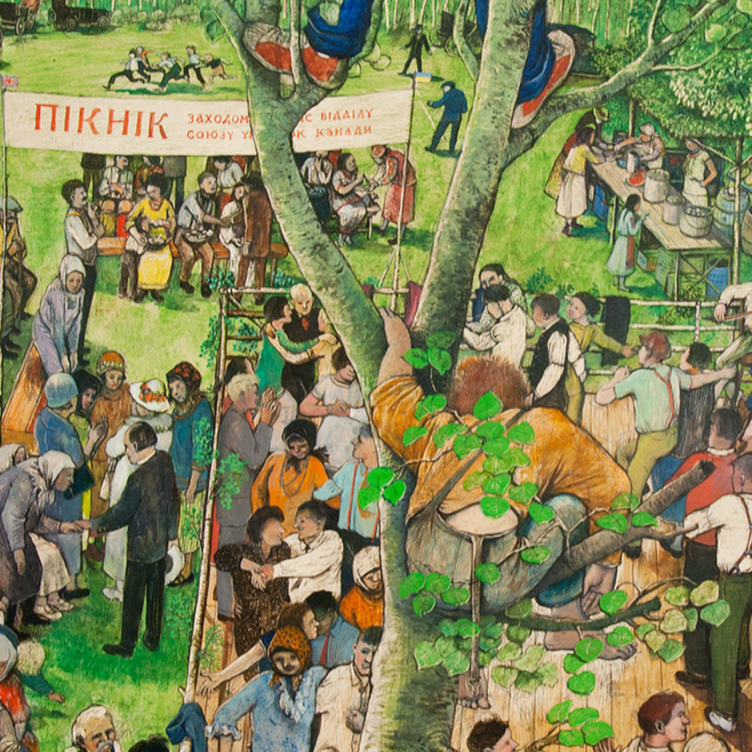 Painting the Cultural Mosaic
William Kurelek traversed the country in a quest to capture its diverse inhabitants
By Andrew Kear
Painting the Cultural Mosaic
William Kurelek traversed the country in a quest to capture its diverse inhabitants
By Andrew Kear
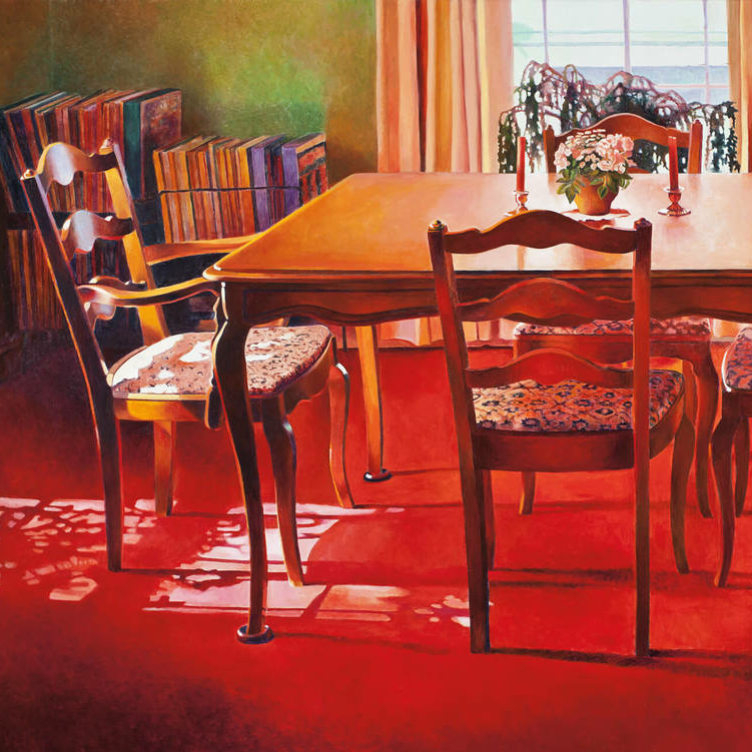 Domestic Discontent
Mary Pratt’s poetic scenes of home life are praised for their political edge
By Ray Cronin
Domestic Discontent
Mary Pratt’s poetic scenes of home life are praised for their political edge
By Ray Cronin
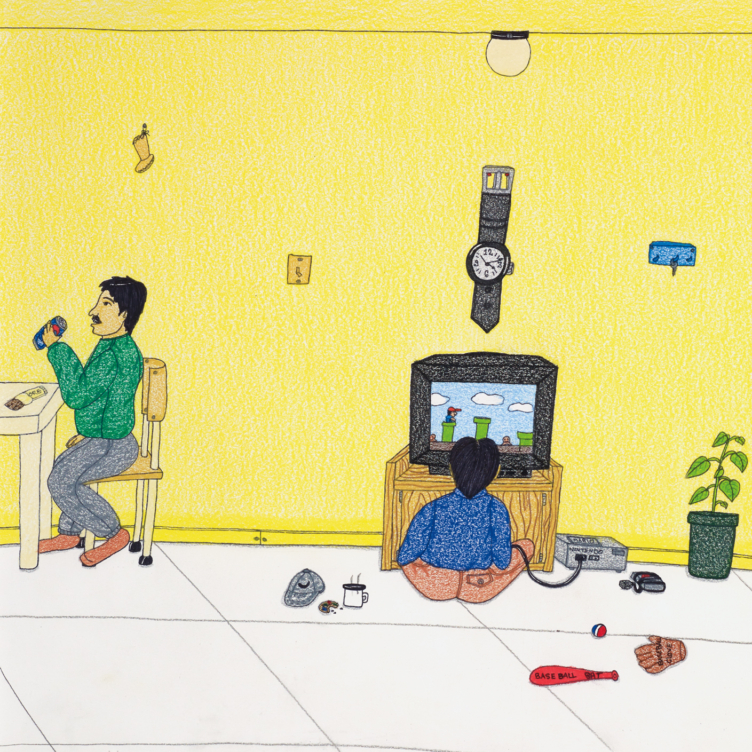 A New Vision of the North
Annie Pootoogook’s art offers unprecedented insights into the contemporary Arctic
By Nancy G. Campbell
A New Vision of the North
Annie Pootoogook’s art offers unprecedented insights into the contemporary Arctic
By Nancy G. Campbell
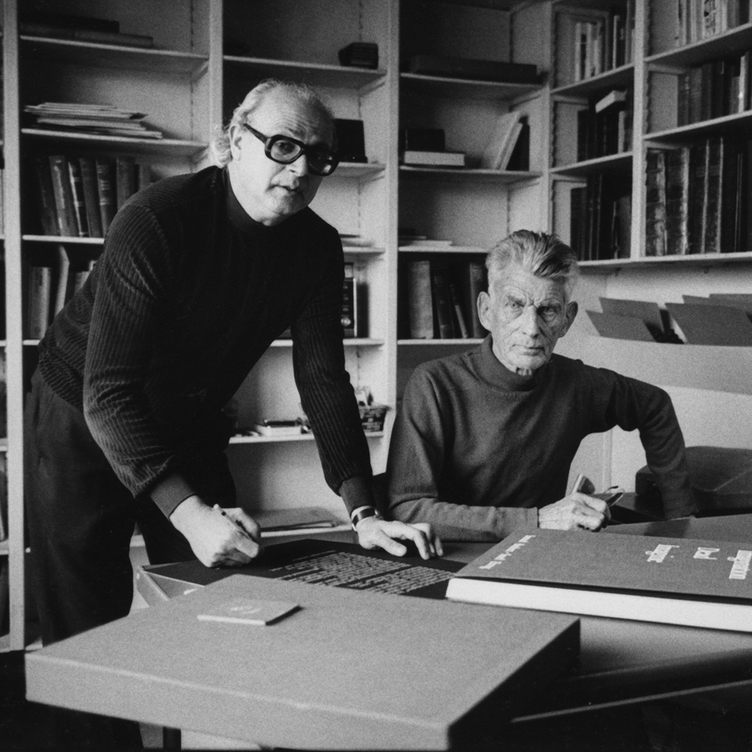 Meetings of Minds
Sorel Etrog found new ideas in collaborative work
By Alma Mikulinsky
Meetings of Minds
Sorel Etrog found new ideas in collaborative work
By Alma Mikulinsky
 Introducing Miss Chief
An excerpt from the ACI’s book “Revision and Resistance”
By Shirley Madill
Introducing Miss Chief
An excerpt from the ACI’s book “Revision and Resistance”
By Shirley Madill
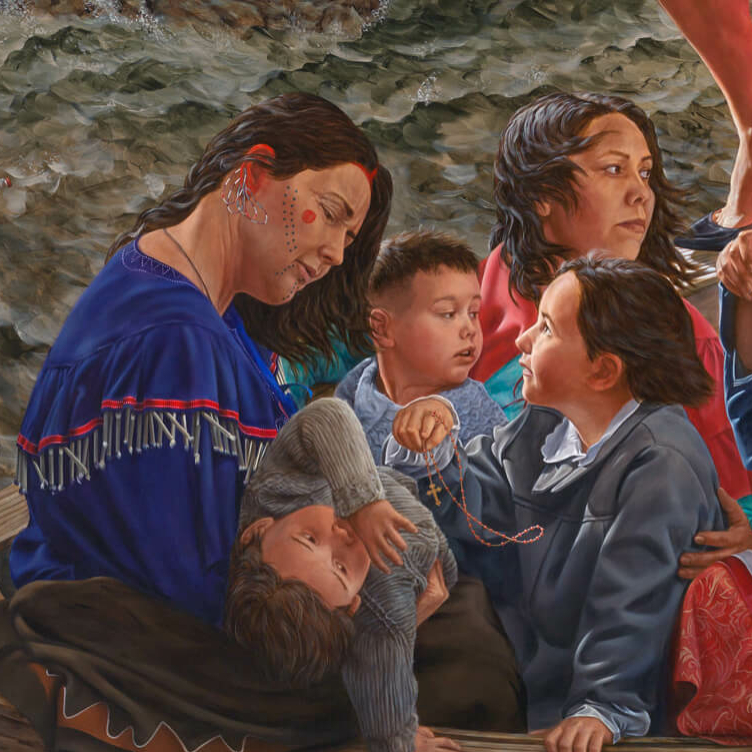 A Practice of Recovery
An excerpt from the ACI’s book “Revision and Resistance”
By Sasha Suda
A Practice of Recovery
An excerpt from the ACI’s book “Revision and Resistance”
By Sasha Suda
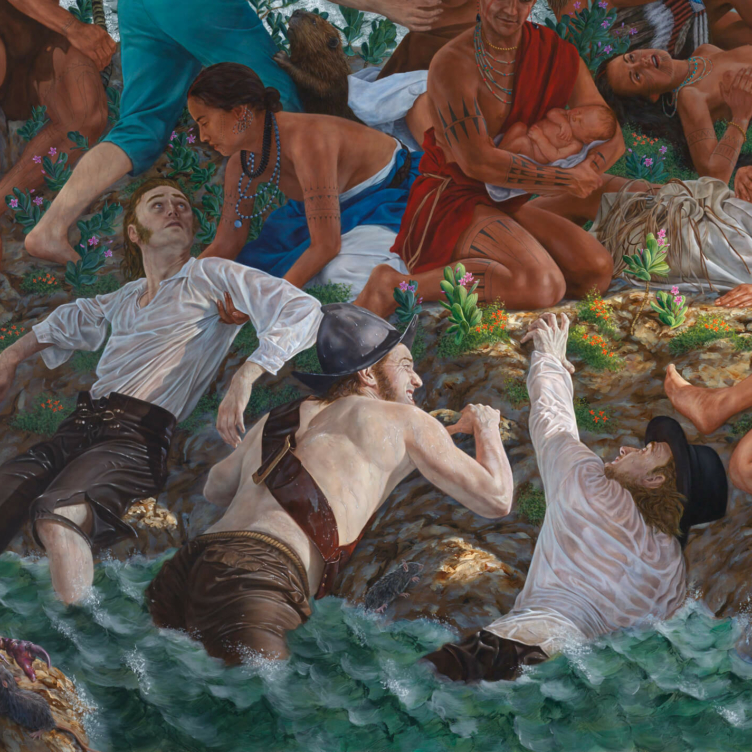 Decolonizing History Painting
An excerpt from the ACI’s book “Revision and Resistance”
By Ruth B. Phillips and Mark Salber Phillips
Decolonizing History Painting
An excerpt from the ACI’s book “Revision and Resistance”
By Ruth B. Phillips and Mark Salber Phillips
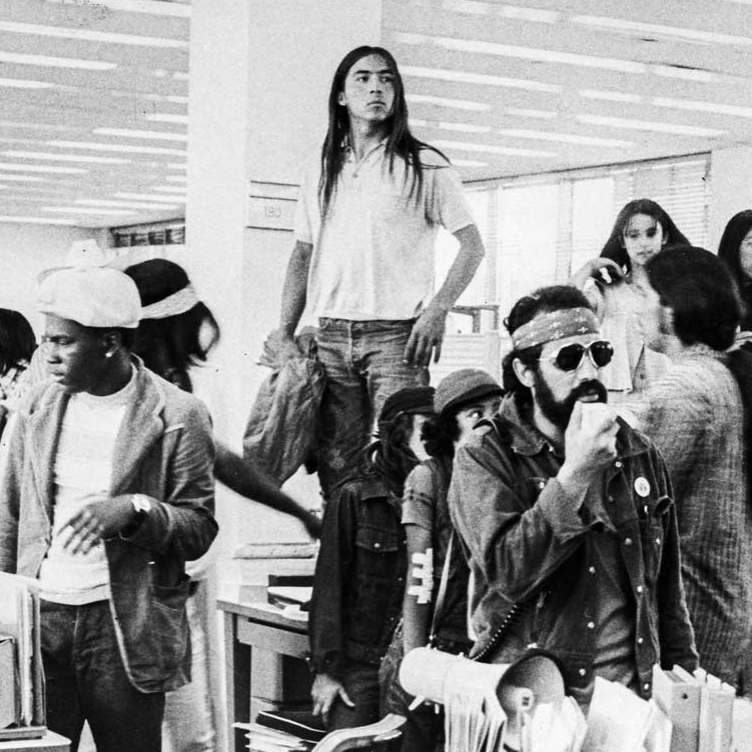 A Vision for the Future
An excerpt from the ACI’s book “Revision and Resistance”
By Nick Estes
A Vision for the Future
An excerpt from the ACI’s book “Revision and Resistance”
By Nick Estes
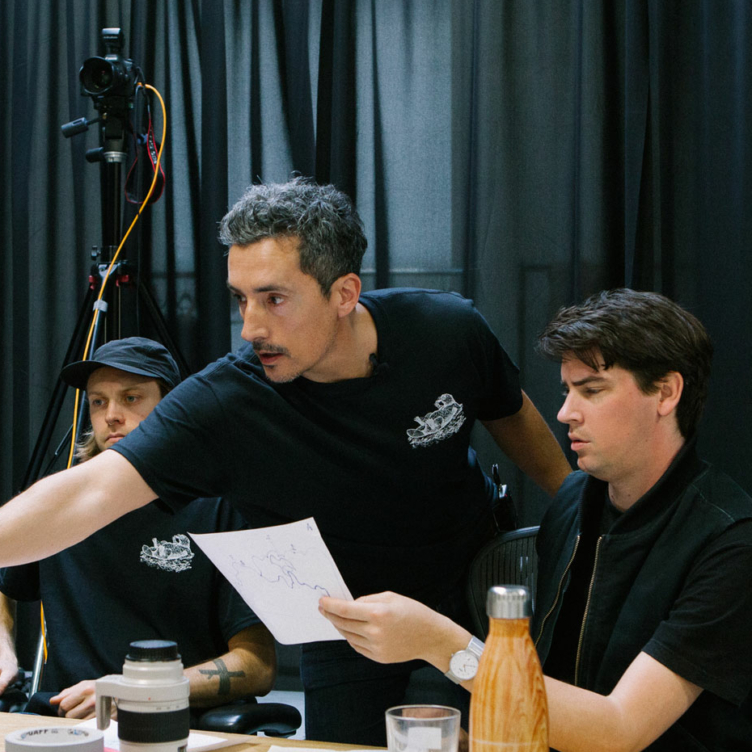 Inside Kent Monkman’s Studio
An excerpt from the ACI’s book “Revision and Resistance”
By Jami C. Powell
Inside Kent Monkman’s Studio
An excerpt from the ACI’s book “Revision and Resistance”
By Jami C. Powell
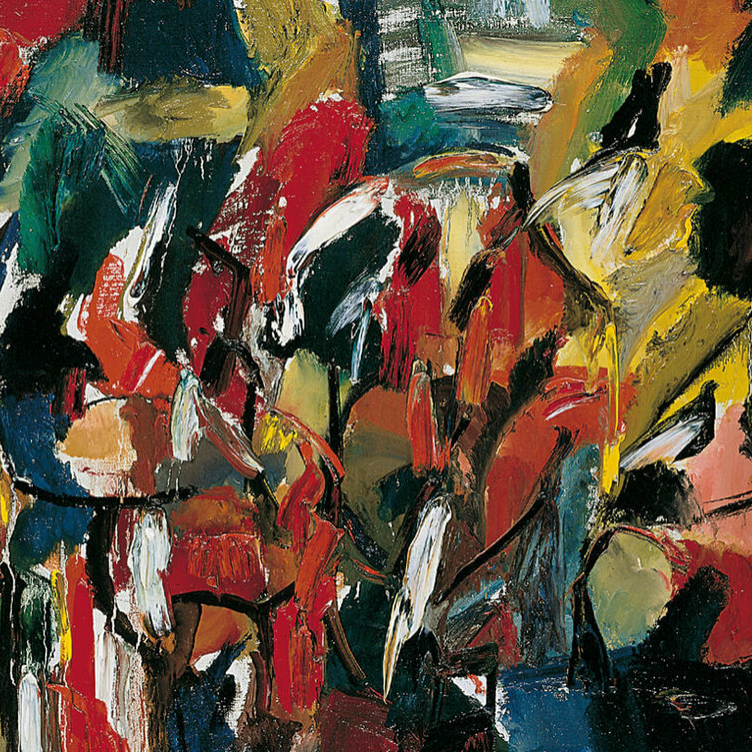 The Rule of Chance
Jean Paul Riopelle’s break with Automatism
By François-Marc Gagnon
The Rule of Chance
Jean Paul Riopelle’s break with Automatism
By François-Marc Gagnon
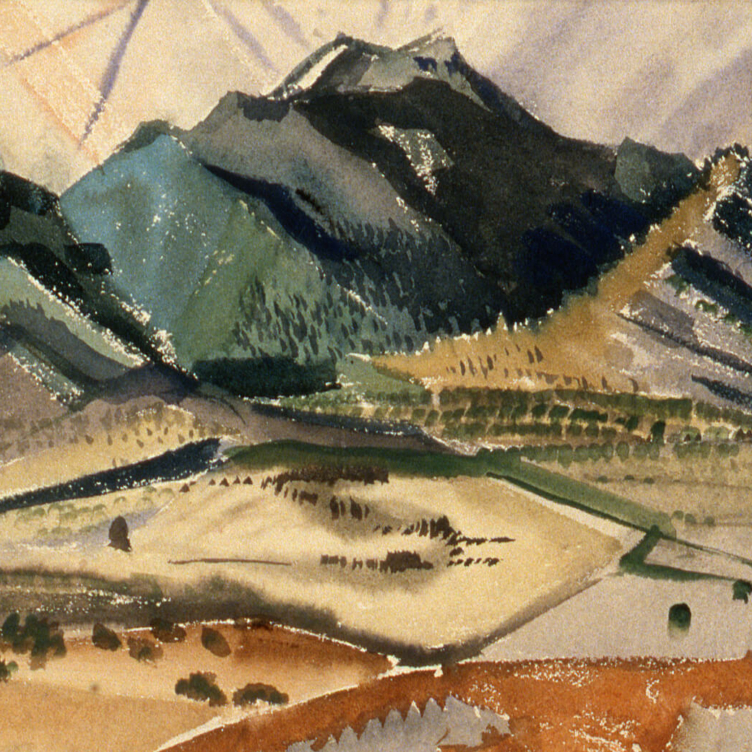 From Taos to New York
Agnes Martin and the currents of American Art
By Christopher Régimbal
From Taos to New York
Agnes Martin and the currents of American Art
By Christopher Régimbal
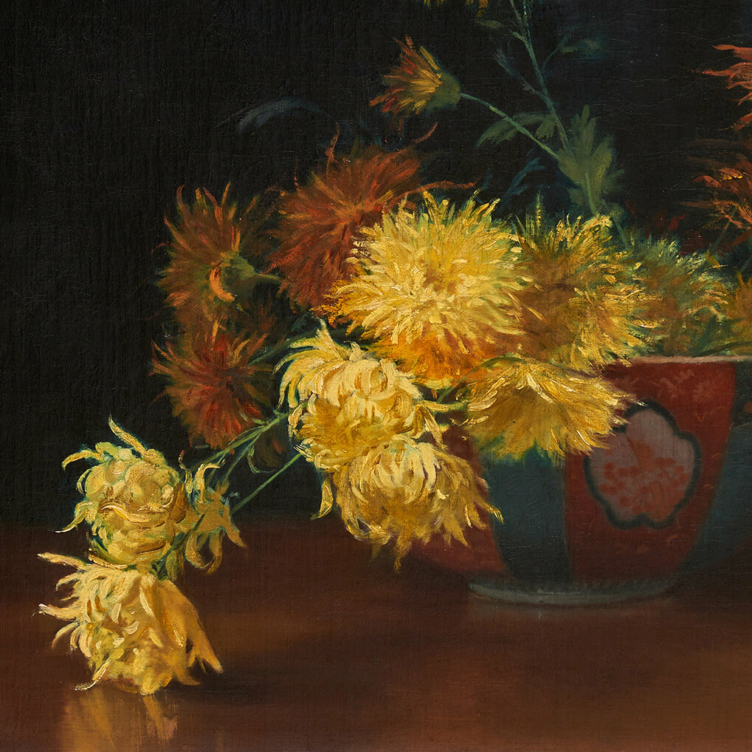 An Artist Blooms
Mary Hiester Reid’s floral aesthetics
By Andrea Terry
An Artist Blooms
Mary Hiester Reid’s floral aesthetics
By Andrea Terry
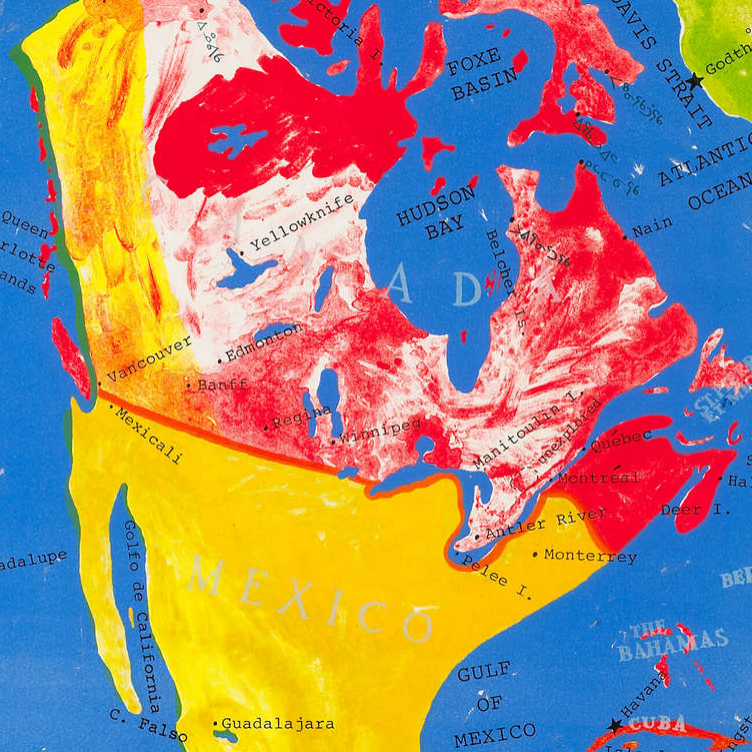 The Patriotic Painter
Greg Curnoe’s Canada
By Judith Rodger
The Patriotic Painter
Greg Curnoe’s Canada
By Judith Rodger
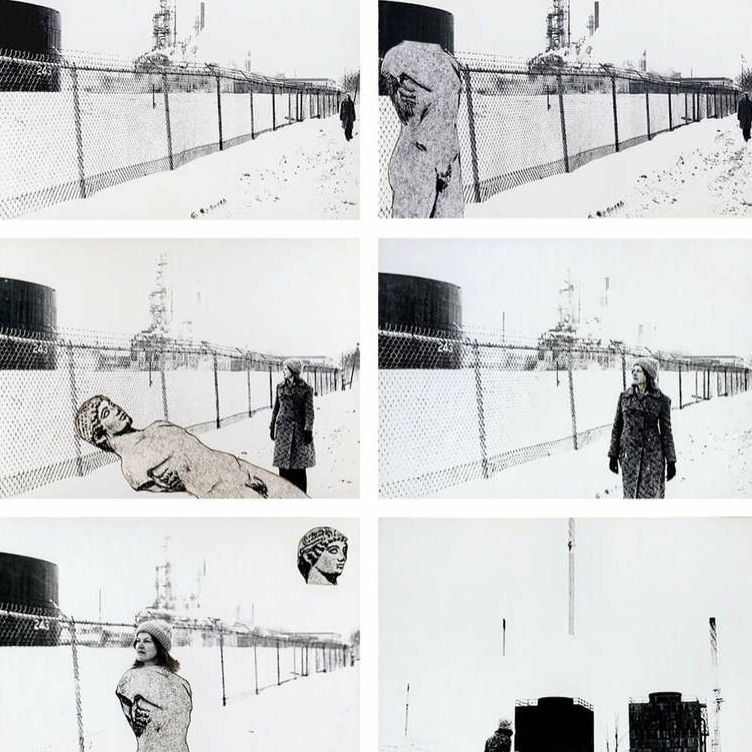 Walking, Stacking, Dancing
Françoise Sullivan’s conceptual 1970s
By Annie Gérin
Walking, Stacking, Dancing
Françoise Sullivan’s conceptual 1970s
By Annie Gérin
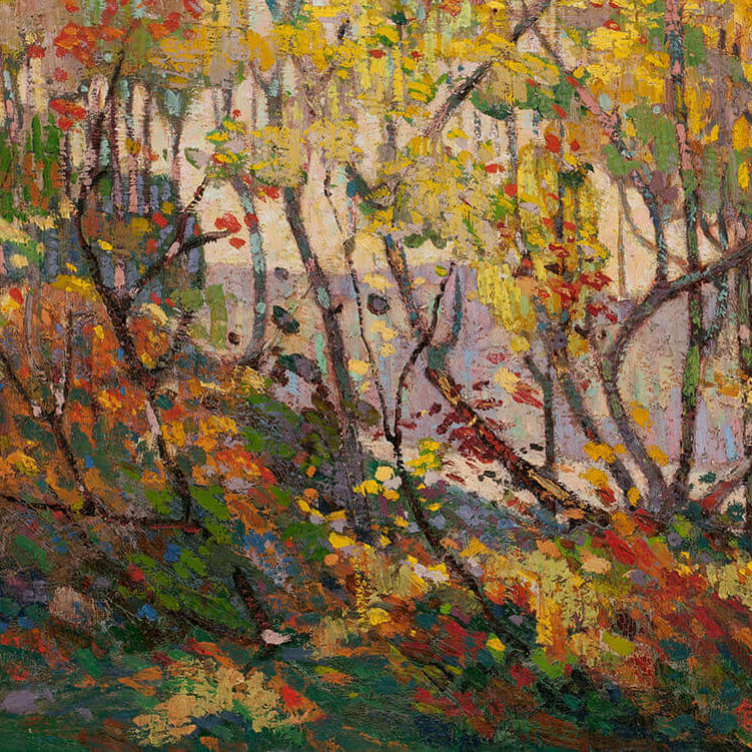 The Extraordinary North
Tom Thomson’s diary of landscape
By David P. Silcox
The Extraordinary North
Tom Thomson’s diary of landscape
By David P. Silcox
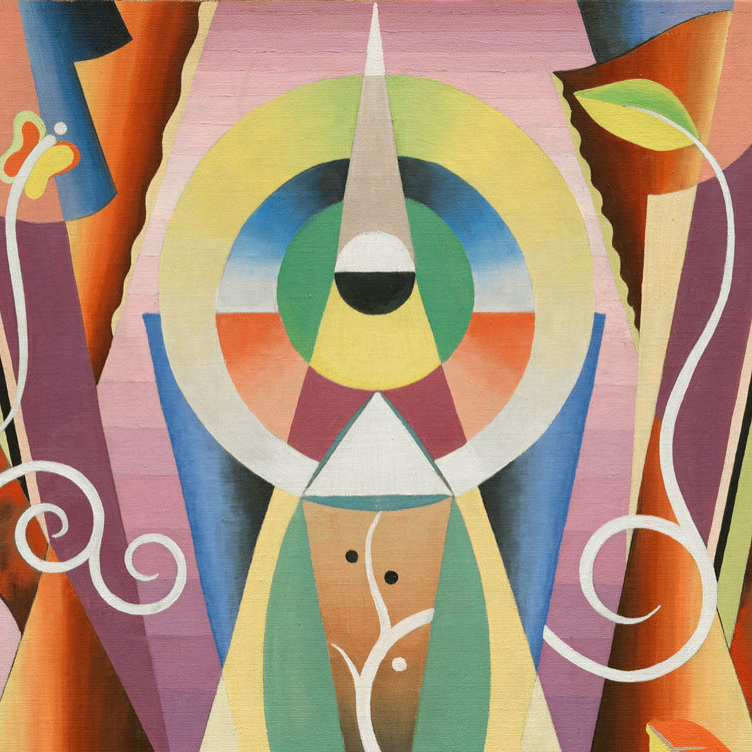 A Champion of Abstraction
Jock Macdonald sought a new expression in art
By Joyce Zemans
A Champion of Abstraction
Jock Macdonald sought a new expression in art
By Joyce Zemans