Music had a deep influence on Montreal painter Yves Gaucher (1934–2000). In an interview from 1996, he recalled, “It was only in music that I came to understand what a profound aesthetic experience really was. I heard concerts that marked me, that opened my ears and eyes. A very strong sensorial experience. Then in my work, I sought to recreate this experience which made me forget time, space, physicality.” Throughout his life Gaucher retained a deep commitment to jazz, Indian music, and contemporary classical music.
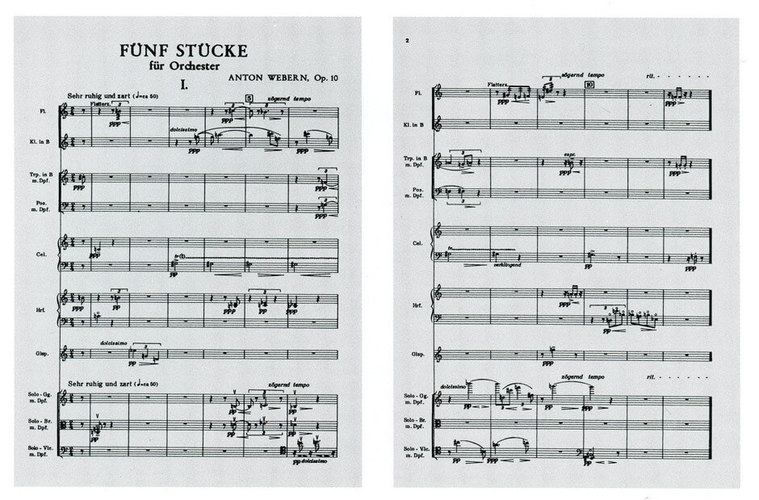
Musical score for Anton Webern’s Five Pieces for Orchestra, op. 10, first movement.
Gaucher described rhythm, in the context of both life and art, as the basis of aesthetic experience. During his first visit to Paris in 1962, he attended a concert of music by Pierre Boulez, Edgard Varèse, and Anton Webern. It was Webern’s music that most profoundly disturbed him and challenged the basic preconceptions that heretofore had driven his artistic expression. As he recalled: “The music seemed to send little cells of sound into space, where they expanded and took on a whole new quality and dimension of their own.”
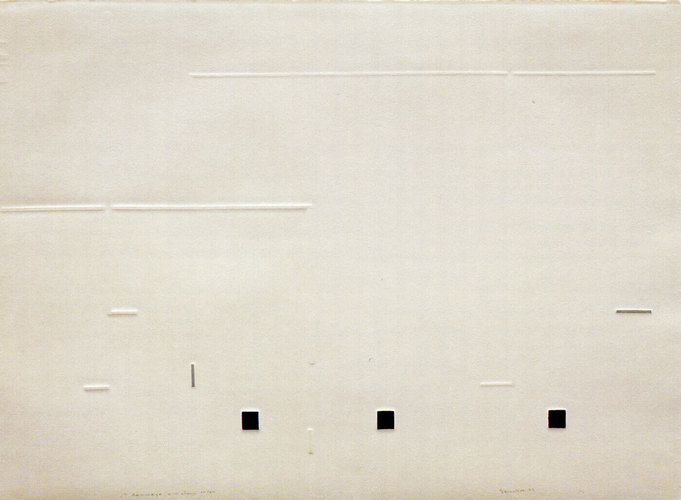
Yves Gaucher, In Homage to Webern No. 1 (En hommage à Webern n° 1), 1963
Relief print in black and grey on laminated paper, 57 x 76.5 cm, National Gallery of Canada, Ottawa
The experience provoked a crisis and an intense period of work, leading Gaucher to create the series of prints entitled In Homage to Webern. For a long time he experimented with drawings until he arrived at a dynamic formal solution in which the composer’s “cells of sound” found their visual equivalents in the “signals,” the system of pure notations of lines, squares, and dashes that he disperses across his paper sheets. It is not that Gaucher is illustrating music that he had heard; rather, it is as if in his mind’s eye Gaucher had envisaged visual equivalents for Webern’s aural sensations as they dispersed themselves in the space of hearing.
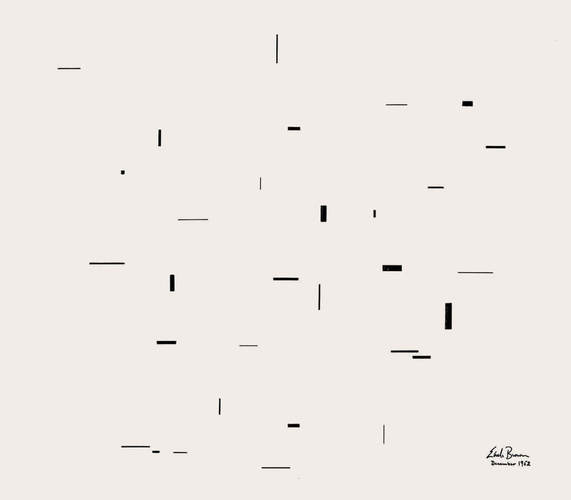
Graphic score for Earle Brown’s December 1952.
Also of note are the close visual analogies between Gaucher’s prints and the graphic score for December 1952, by the American composer Earle Brown. Brown invented and used various innovative musical notations: his score for December 1952 is made up entirely of points and horizontal and vertical dashes of different shapes and sizes, separated in space and spread out over the page. Brown’s score shares the Webern prints’ non-centred dispersal of their symbols in such a way, as the musicologist Jean-Jacques Nattiez describes it, that it “invites the performer to play the different elements in random succession and therefore escape from the linear constraints of a ‘normal’ score.”

Yves Gaucher, Untitled (JN-J1 68 G-1), 1968
Acrylic on canvas, 203.8 x 305.3 cm, Vancouver Art Gallery
Gaucher had also begun to listen to Indian music sometime around the beginning of the 1960s, in conjunction with reading Indian philosophy. He described the Indian raga as another of the strongest musical experiences he had experienced, valuing it for its constructive discipline. In the concerts of Ali Akbar Khan, his favourite performer, however, the results became “free and creative,” until listening intensified into an “ecstatic experience.”
Gaucher, nevertheless, despite his passion for music, became cautionary when people started to describe him as “a musical painter.” He had originally used musical titles because, as he said, “I felt they were more abstract, and it backfired.” By 1967, therefore, he largely abandoned titles, substituting letter and number combinations, such as JN-J1 68 G-1, 1968, that would be meaningless except to himself, for whom they served as codes to identify the colours he had used in each painting, for reference, in case of future repair work.
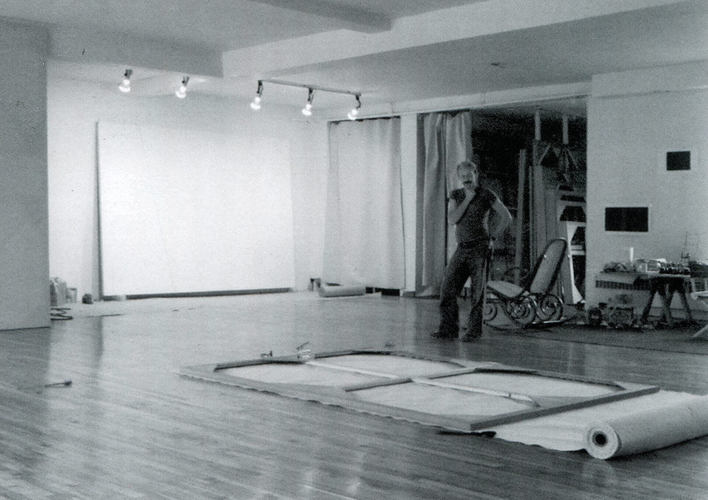
Gaucher in his studio on De Bullion Street, Montreal, 1979.
In 1968, as a guest artist, he joined the graduate program in electronic music at McGill University, intrigued by, among other things, the electronic equipment that could read drawings and translate them into music, and vice versa. But he found the exercises finally meaningless, reinforcing his dictum that “true art should be a purely visual language, just as music is a purely auditive [sic] language…. Art must speak only to the eyes, and to nothing else, to reach the soul.”
This Essay is excerpted from Yves Gaucher: Life & Work by Roald Nasgaard.
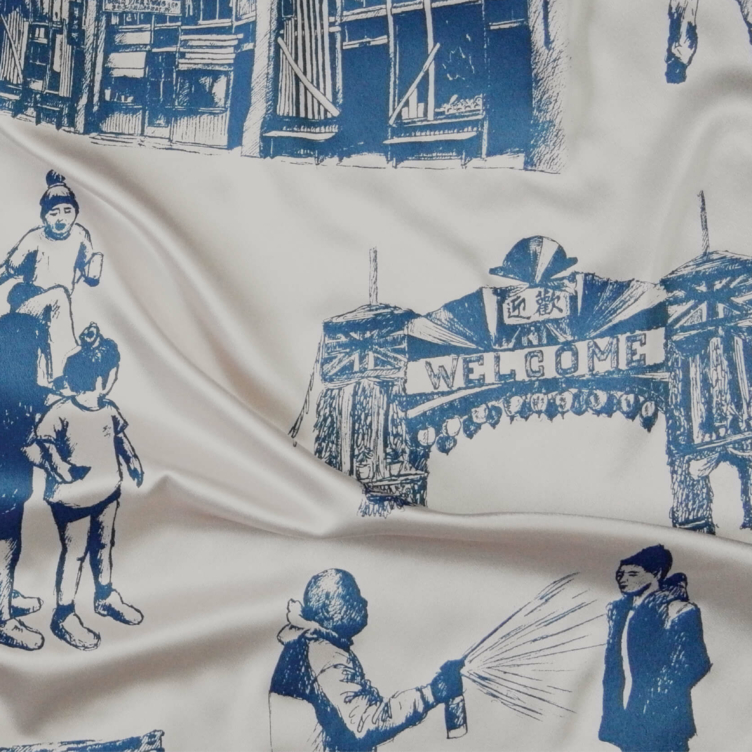 Karen Tam’s Autumn Tigers
Bridging Past and Present: Invisible Made Visible
By Imogene L. Lim, PhD
Karen Tam’s Autumn Tigers
Bridging Past and Present: Invisible Made Visible
By Imogene L. Lim, PhD
 The Frontier Portraits of C.D. Hoy
A Chinese Canadian Photographer’s Tribute to His Community
By Faith Moosang
The Frontier Portraits of C.D. Hoy
A Chinese Canadian Photographer’s Tribute to His Community
By Faith Moosang
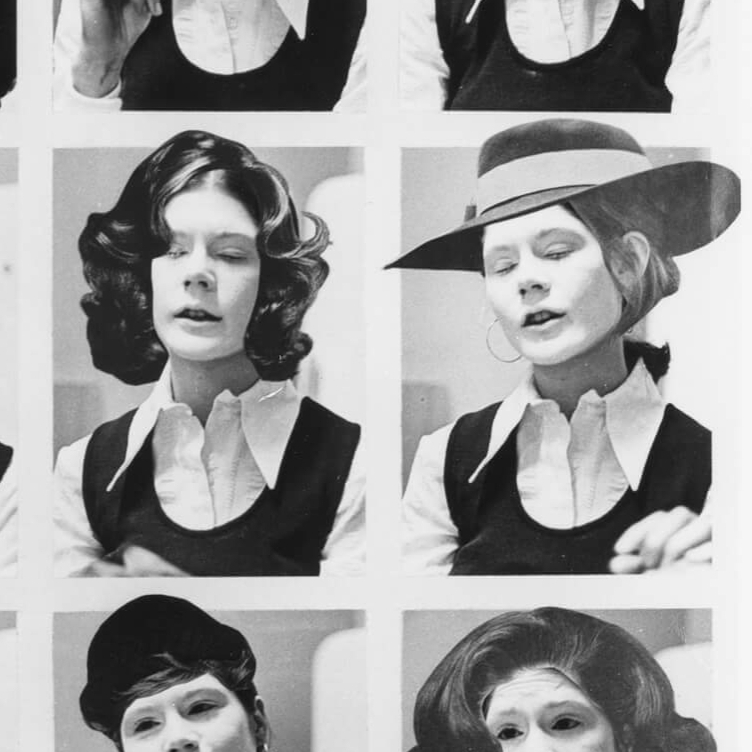 Interrogating Identity
Suzy Lake explores the role of photography in shaping how we understand and see ourselves
By Erin Silver
Interrogating Identity
Suzy Lake explores the role of photography in shaping how we understand and see ourselves
By Erin Silver
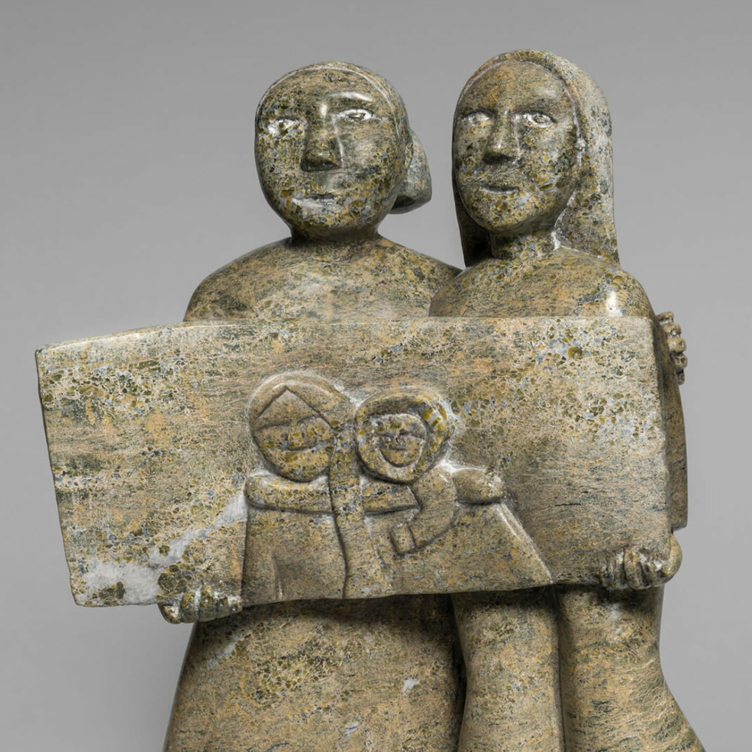 An Emboldened Artist
How Oviloo Tunnillie achieved rare international acclaim as an Inuit female sculptor
By Darlene Coward Wight
An Emboldened Artist
How Oviloo Tunnillie achieved rare international acclaim as an Inuit female sculptor
By Darlene Coward Wight
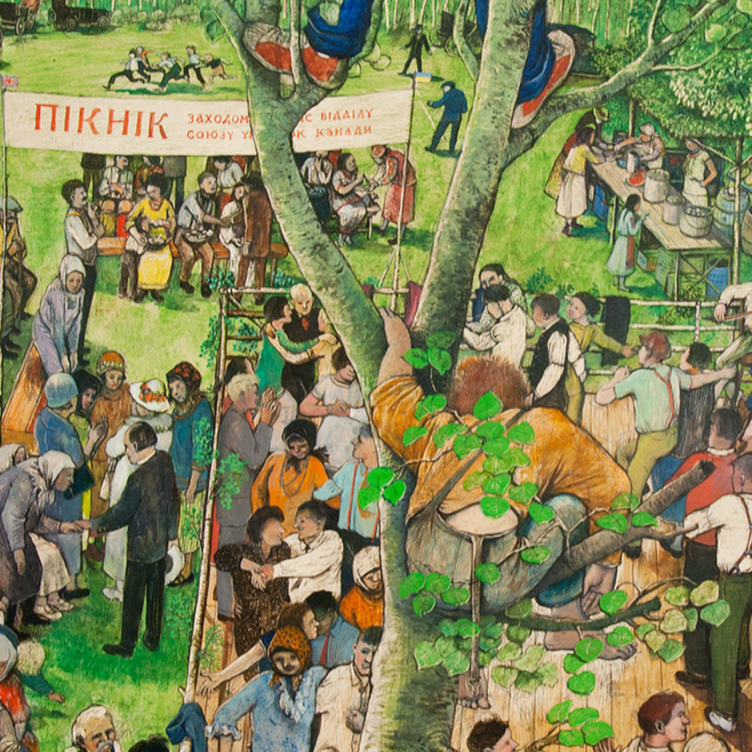 Painting the Cultural Mosaic
William Kurelek traversed the country in a quest to capture its diverse inhabitants
By Andrew Kear
Painting the Cultural Mosaic
William Kurelek traversed the country in a quest to capture its diverse inhabitants
By Andrew Kear
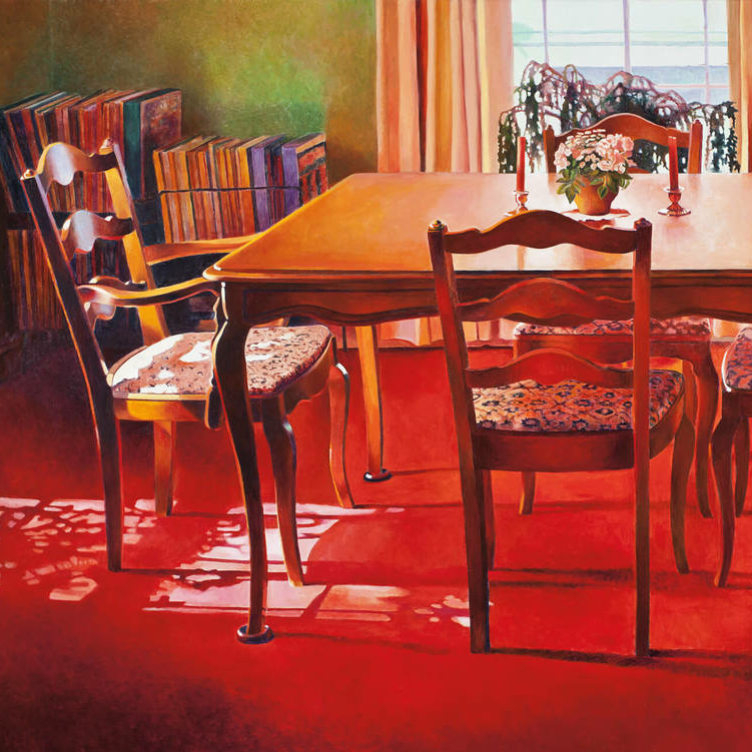 Domestic Discontent
Mary Pratt’s poetic scenes of home life are praised for their political edge
By Ray Cronin
Domestic Discontent
Mary Pratt’s poetic scenes of home life are praised for their political edge
By Ray Cronin
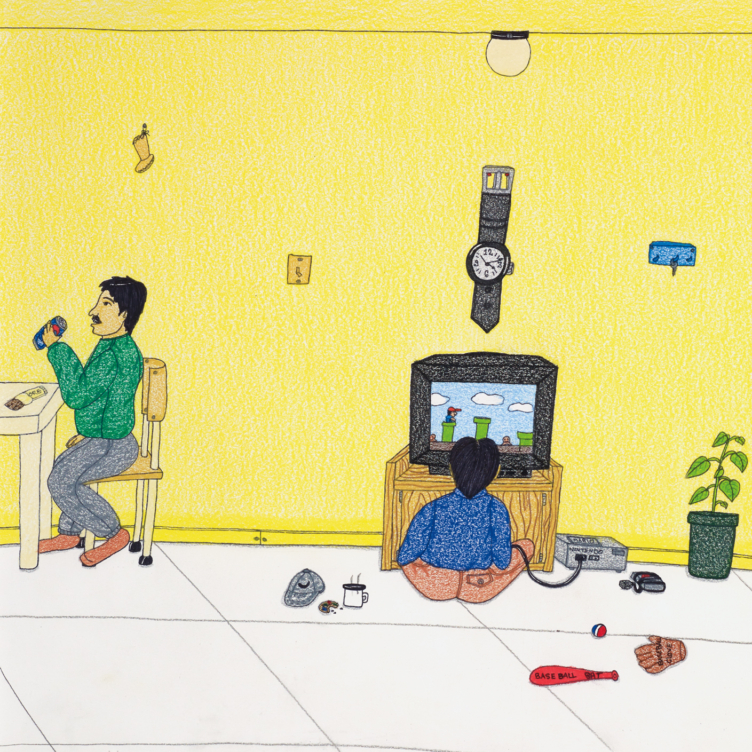 A New Vision of the North
Annie Pootoogook’s art offers unprecedented insights into the contemporary Arctic
By Nancy G. Campbell
A New Vision of the North
Annie Pootoogook’s art offers unprecedented insights into the contemporary Arctic
By Nancy G. Campbell
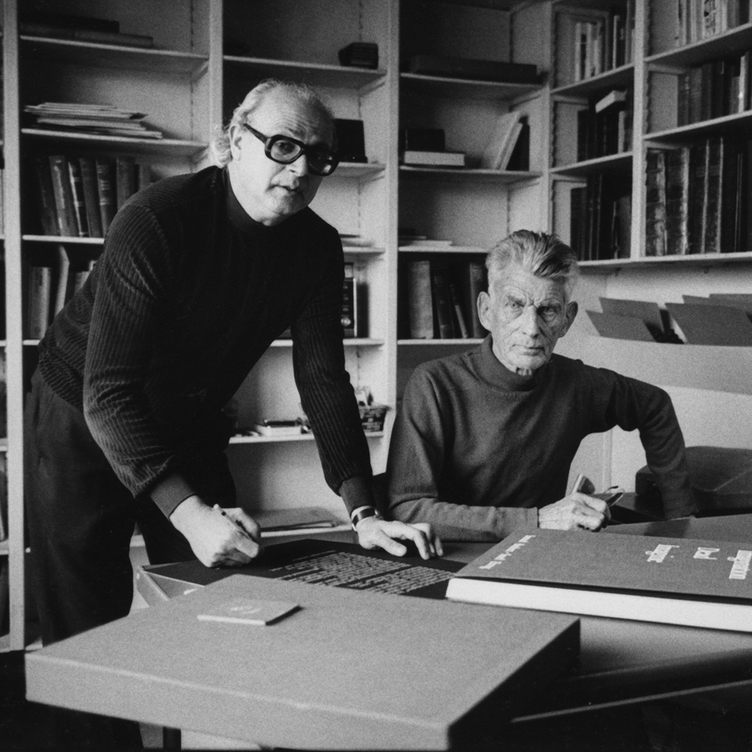 Meetings of Minds
Sorel Etrog found new ideas in collaborative work
By Alma Mikulinsky
Meetings of Minds
Sorel Etrog found new ideas in collaborative work
By Alma Mikulinsky
 Introducing Miss Chief
An excerpt from the ACI’s book “Revision and Resistance”
By Shirley Madill
Introducing Miss Chief
An excerpt from the ACI’s book “Revision and Resistance”
By Shirley Madill
 A Practice of Recovery
An excerpt from the ACI’s book “Revision and Resistance”
By Sasha Suda
A Practice of Recovery
An excerpt from the ACI’s book “Revision and Resistance”
By Sasha Suda
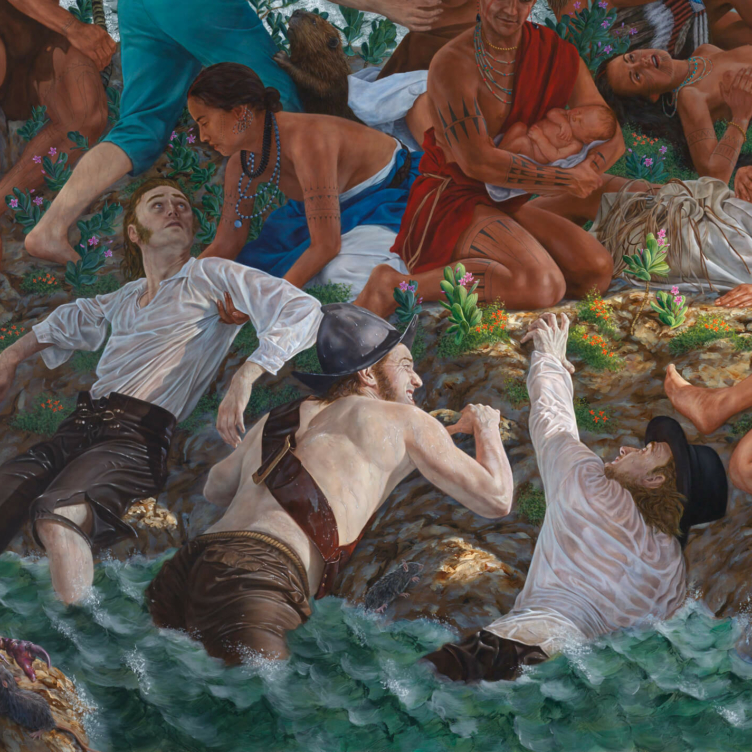 Decolonizing History Painting
An excerpt from the ACI’s book “Revision and Resistance”
By Ruth B. Phillips and Mark Salber Phillips
Decolonizing History Painting
An excerpt from the ACI’s book “Revision and Resistance”
By Ruth B. Phillips and Mark Salber Phillips
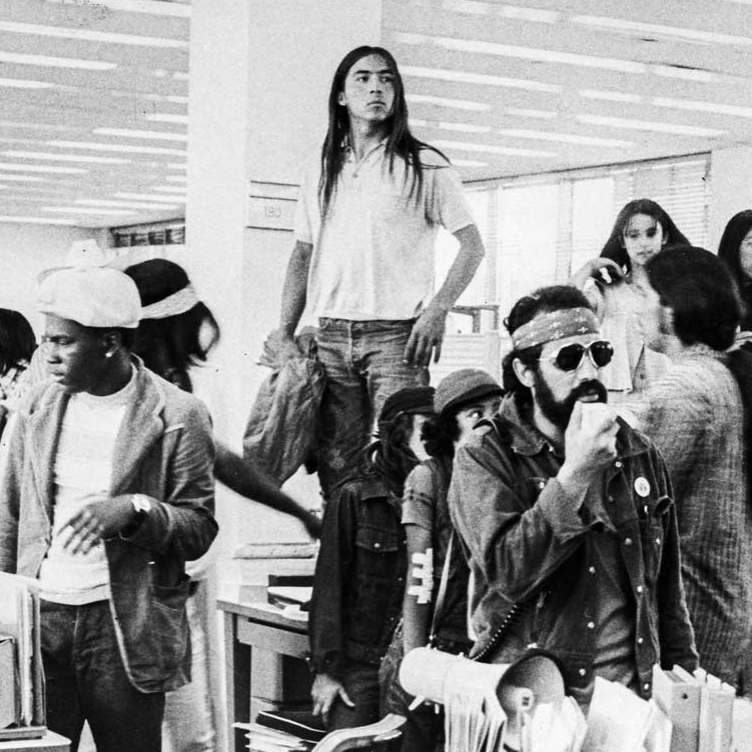 A Vision for the Future
An excerpt from the ACI’s book “Revision and Resistance”
By Nick Estes
A Vision for the Future
An excerpt from the ACI’s book “Revision and Resistance”
By Nick Estes
 Inside Kent Monkman’s Studio
An excerpt from the ACI’s book “Revision and Resistance”
By Jami C. Powell
Inside Kent Monkman’s Studio
An excerpt from the ACI’s book “Revision and Resistance”
By Jami C. Powell
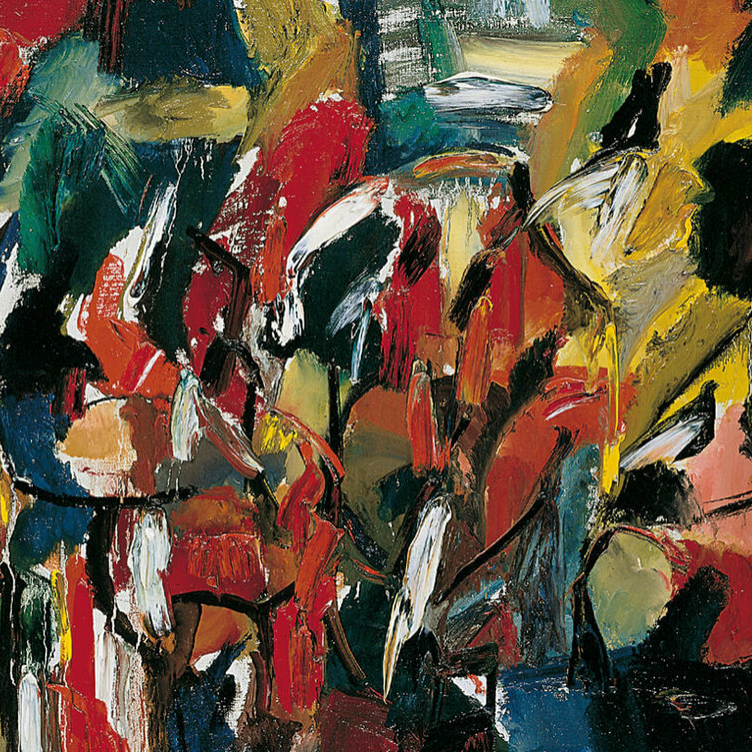 The Rule of Chance
Jean Paul Riopelle’s break with Automatism
By François-Marc Gagnon
The Rule of Chance
Jean Paul Riopelle’s break with Automatism
By François-Marc Gagnon
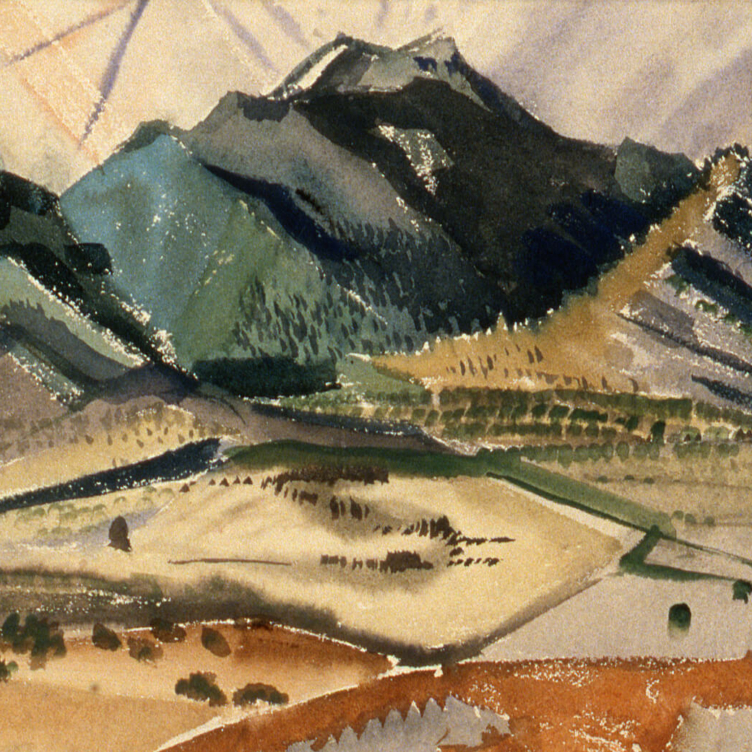 From Taos to New York
Agnes Martin and the currents of American Art
By Christopher Régimbal
From Taos to New York
Agnes Martin and the currents of American Art
By Christopher Régimbal
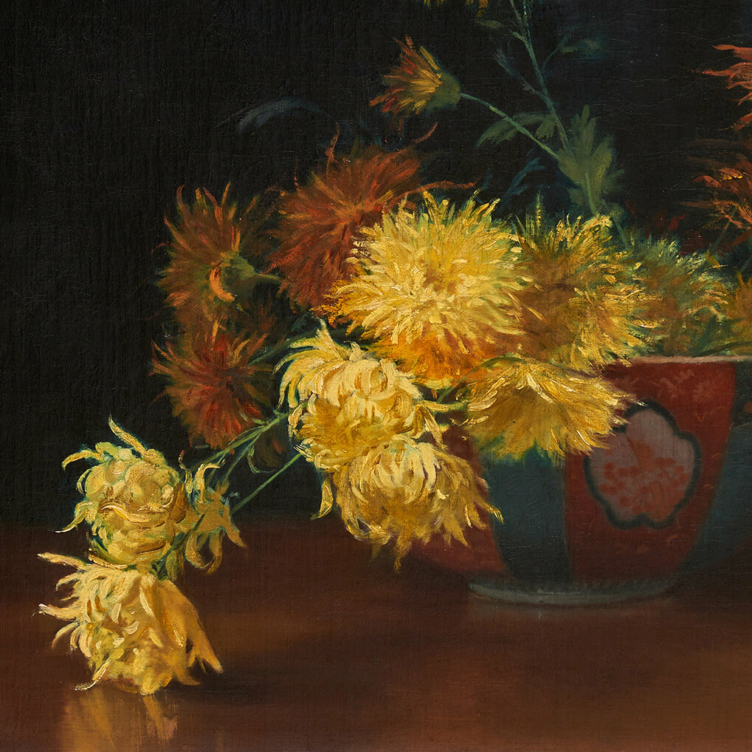 An Artist Blooms
Mary Hiester Reid’s floral aesthetics
By Andrea Terry
An Artist Blooms
Mary Hiester Reid’s floral aesthetics
By Andrea Terry
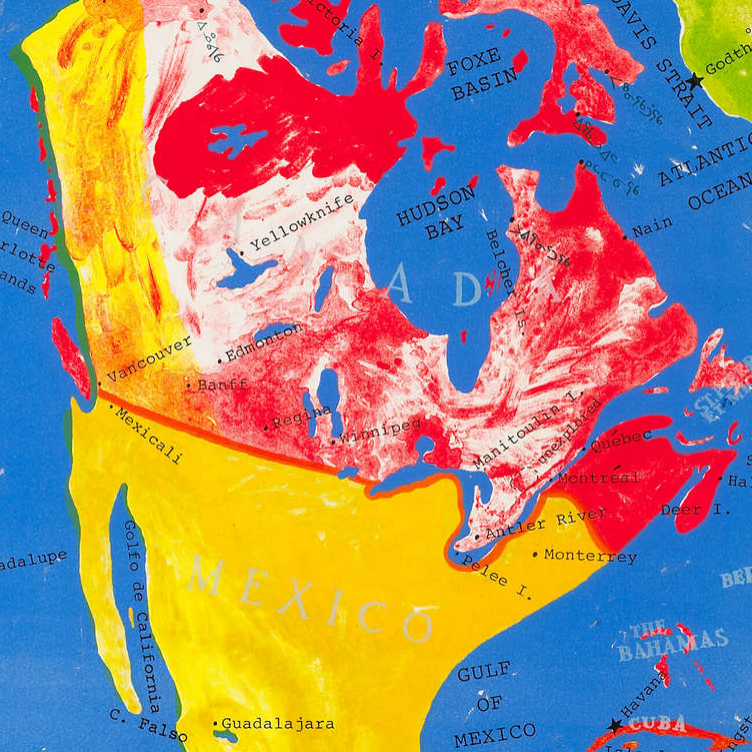 The Patriotic Painter
Greg Curnoe’s Canada
By Judith Rodger
The Patriotic Painter
Greg Curnoe’s Canada
By Judith Rodger
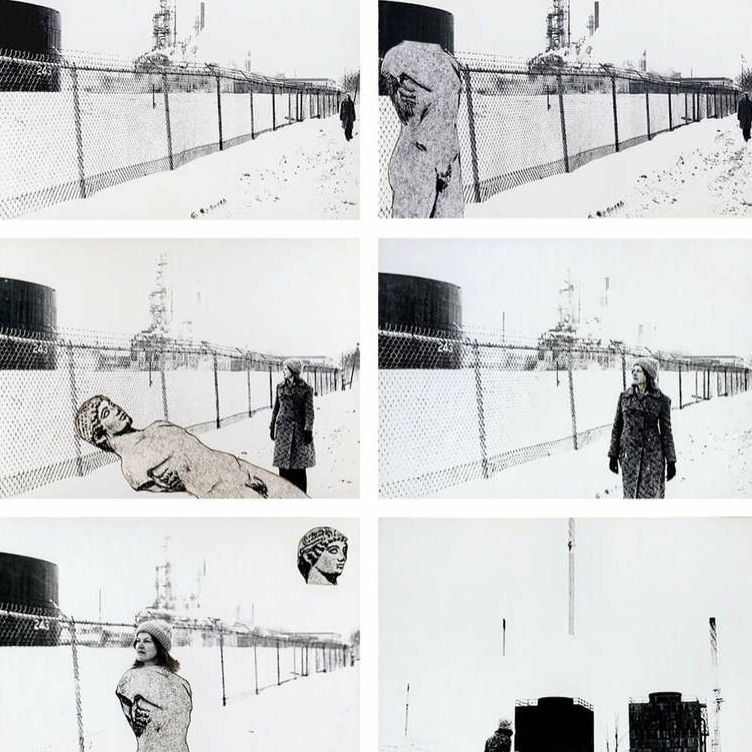 Walking, Stacking, Dancing
Françoise Sullivan’s conceptual 1970s
By Annie Gérin
Walking, Stacking, Dancing
Françoise Sullivan’s conceptual 1970s
By Annie Gérin
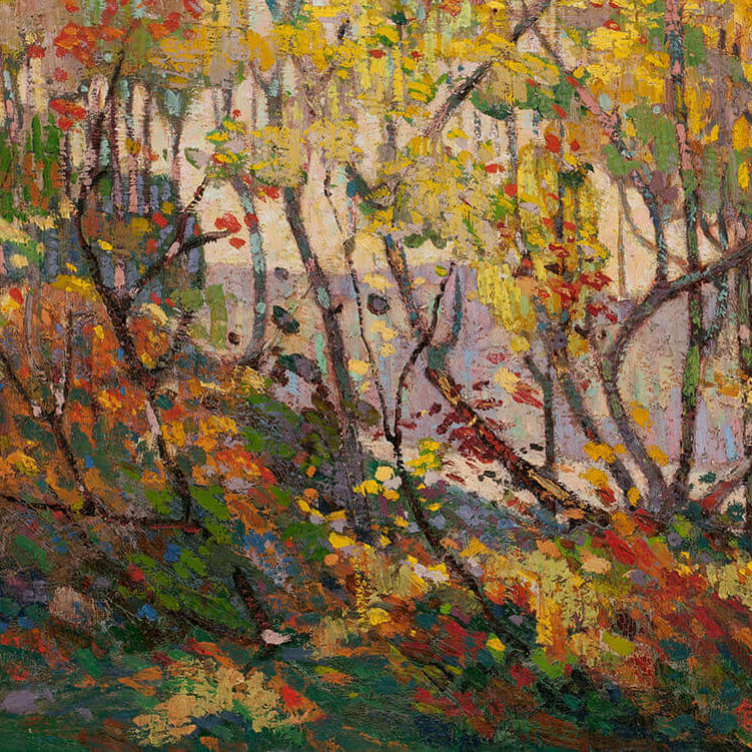 The Extraordinary North
Tom Thomson’s diary of landscape
By David P. Silcox
The Extraordinary North
Tom Thomson’s diary of landscape
By David P. Silcox
 A Champion of Abstraction
Jock Macdonald sought a new expression in art
By Joyce Zemans
A Champion of Abstraction
Jock Macdonald sought a new expression in art
By Joyce Zemans